
Last updated November 15, 2026
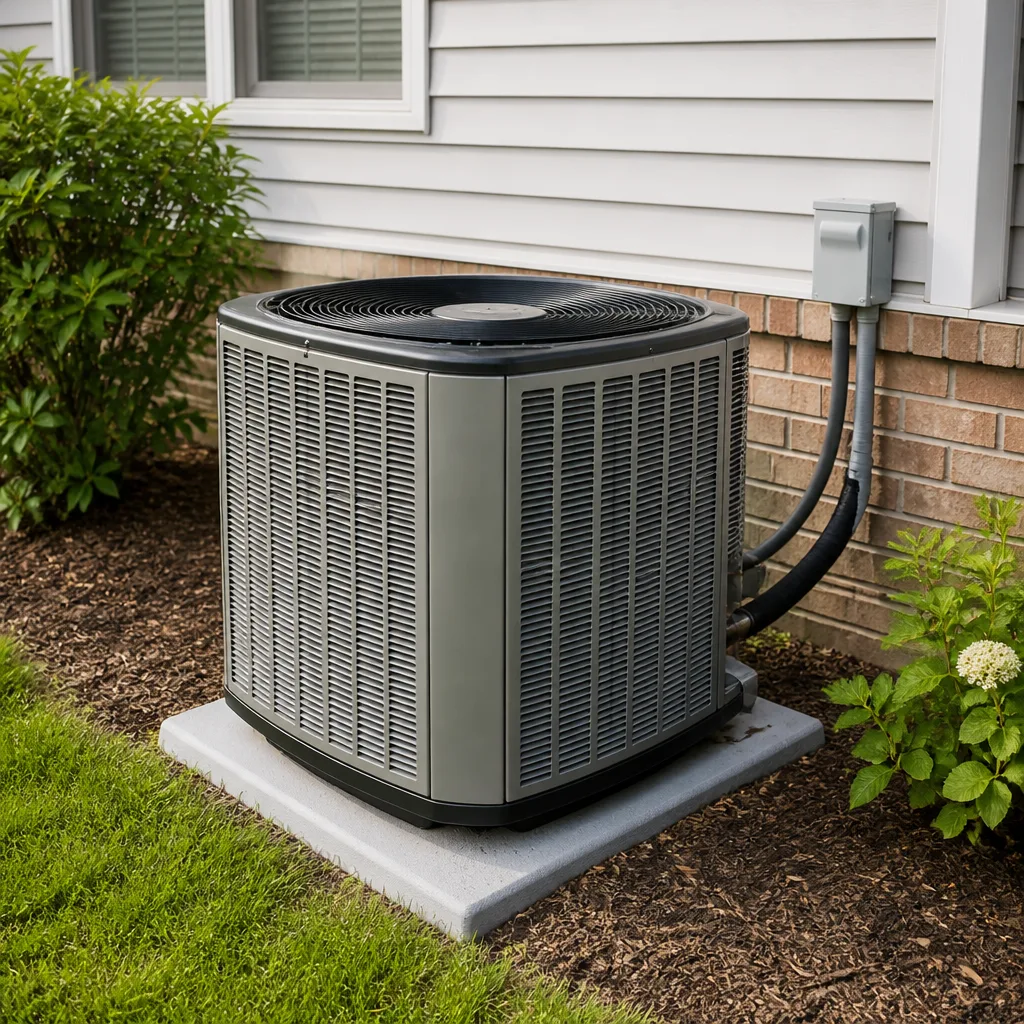 AC repair
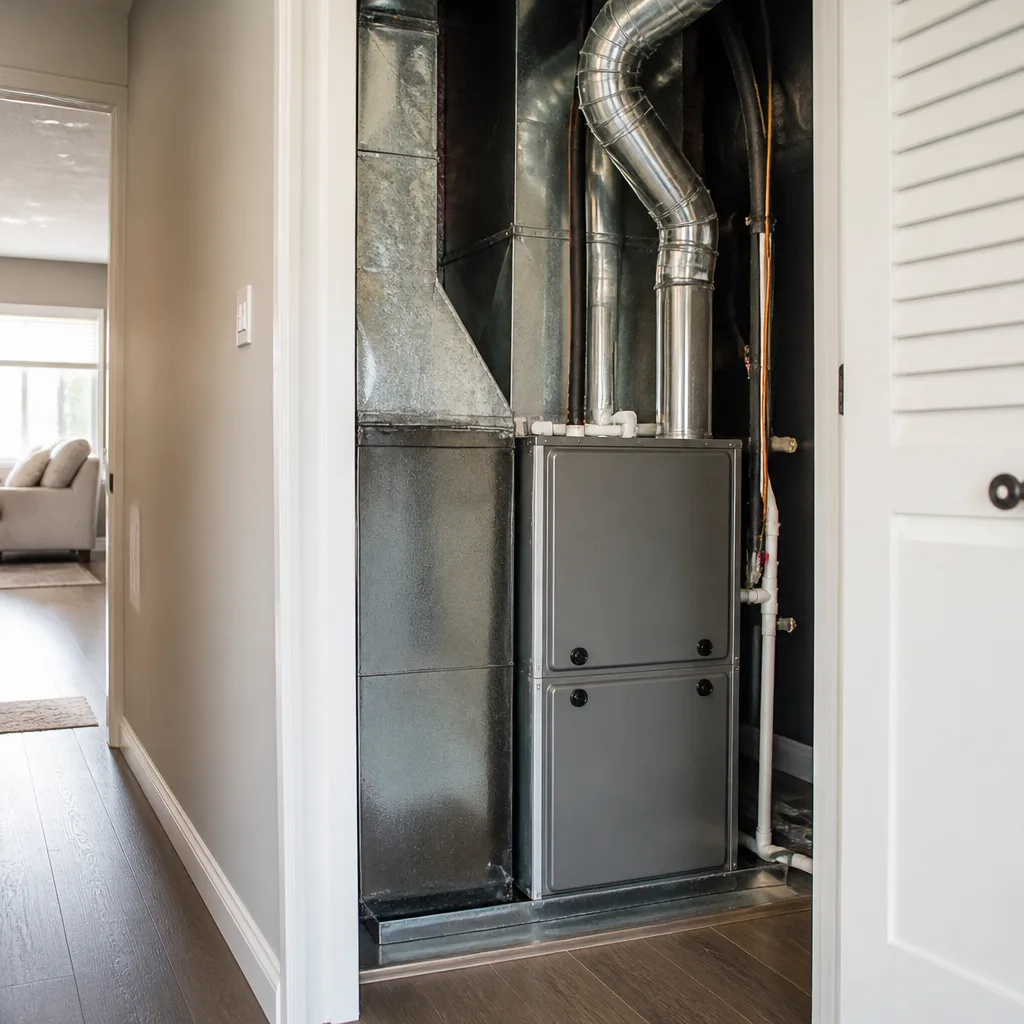 Furnace & heating
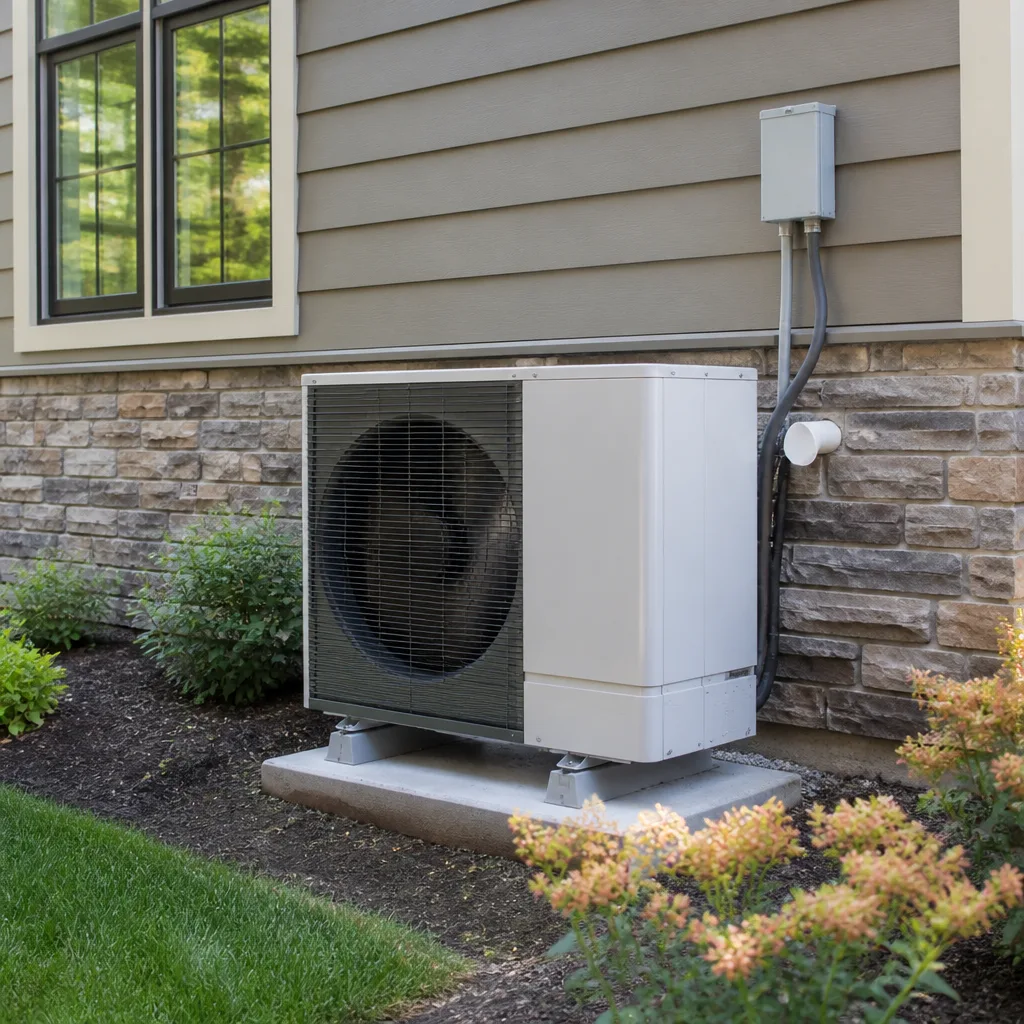 Heat pumps
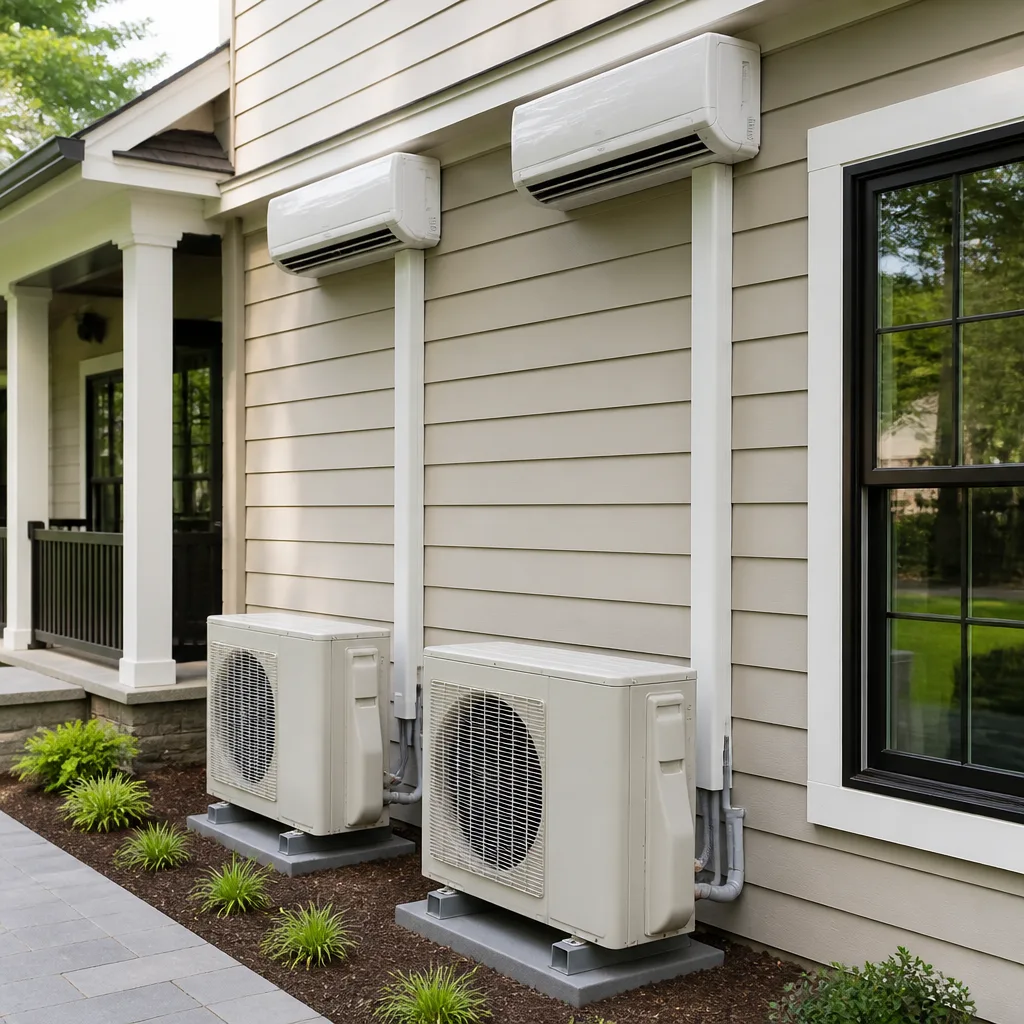 Ductless mini splits
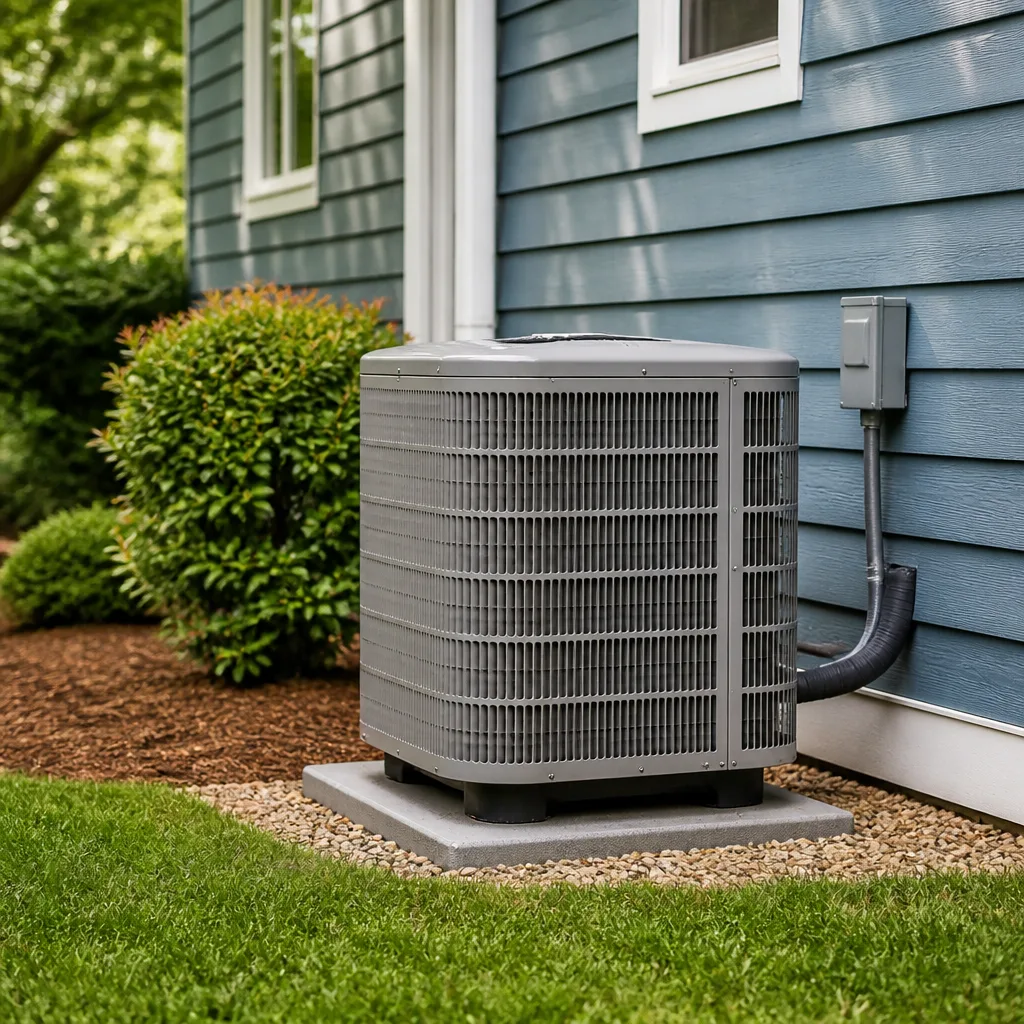 Carrier
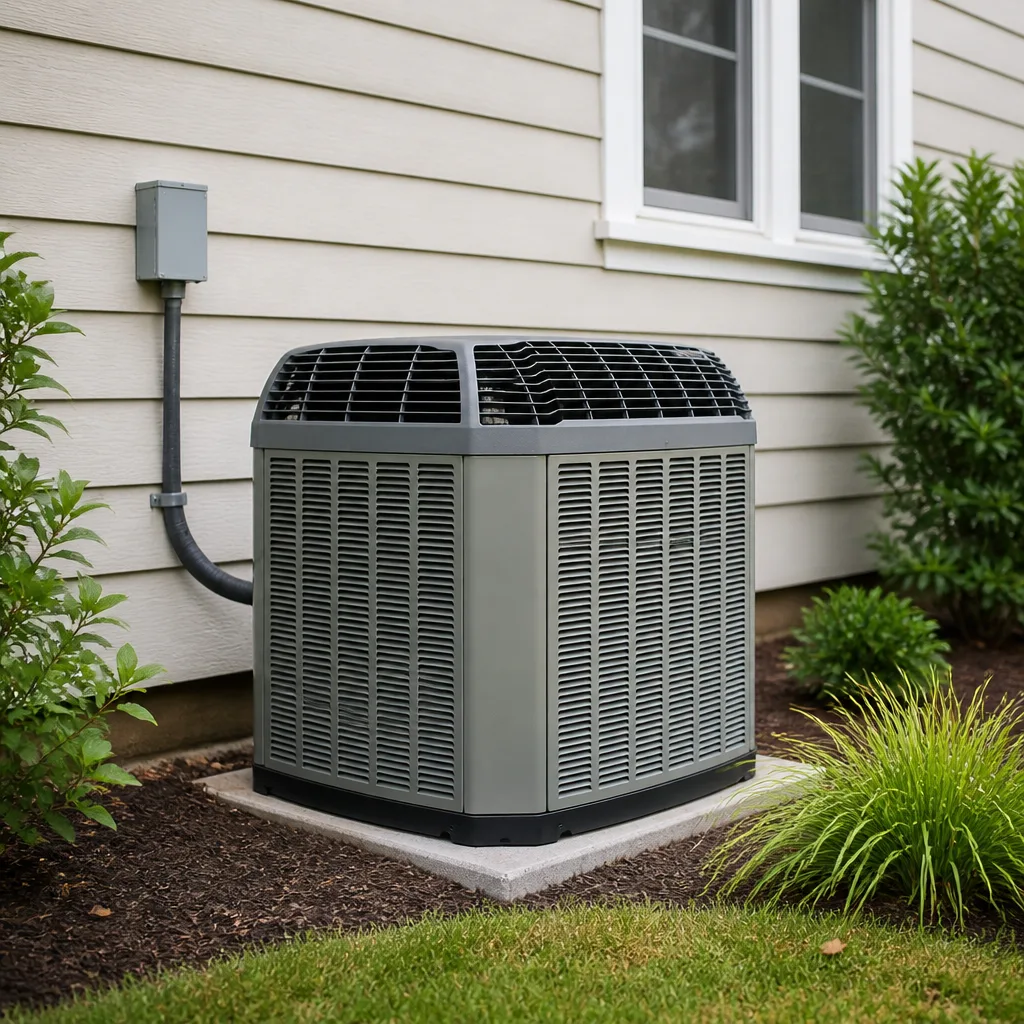 Trane
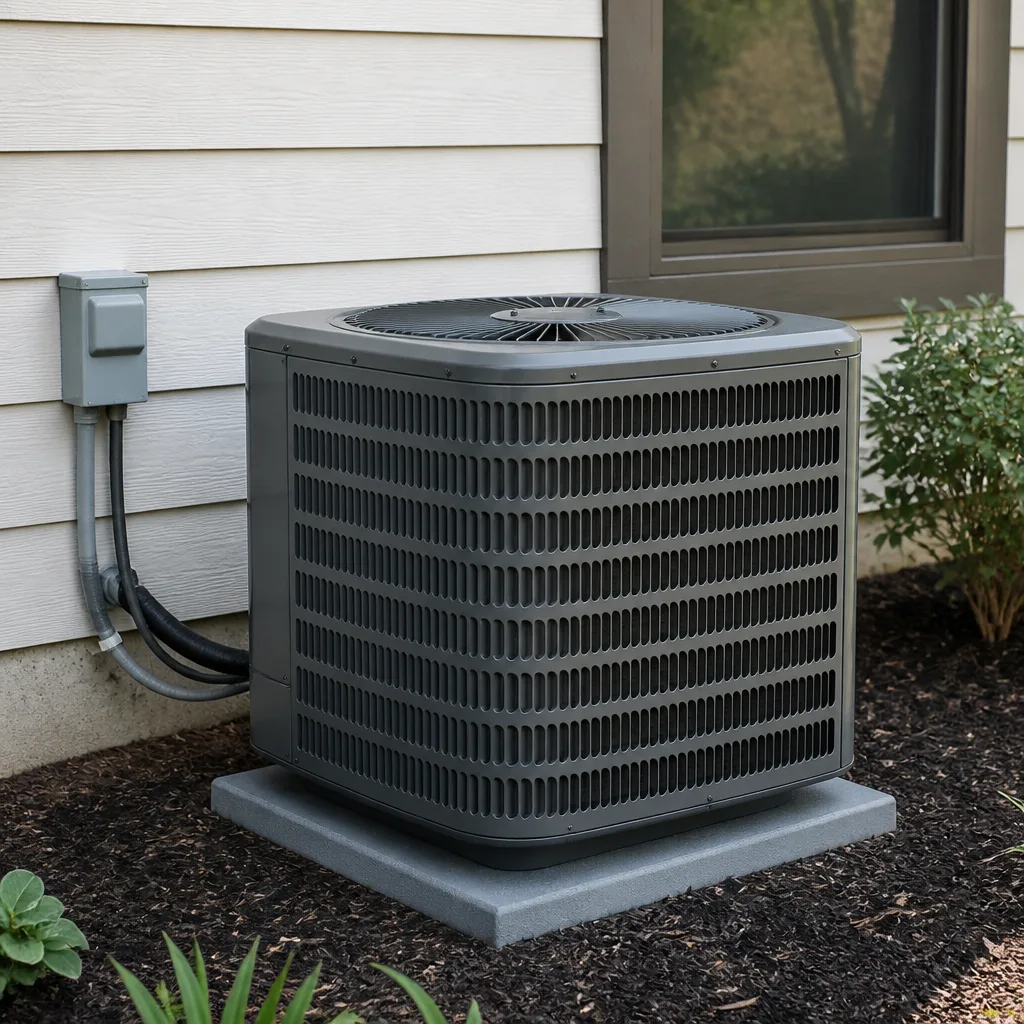 Goodman
Seasonal tune-up and full diagnostic on your Carrier, Trane, or Goodman system - readings shown to you before any repair is proposed
Diagnosis first, numbers second - you approve the repair price before a single part goes in.
Get your free estimateDIY vs Professional HVAC: The Gainesville Homeowner’s Decision Guide
Most debates about DIY versus professional HVAC work center on cost, and that’s the wrong anchor. In Florida, the more important variable is law. Handling refrigerant without the required certification is illegal on a homeowner’s own system, and the same statutes that restrict refrigerant work also shape how electrical DIY interacts with permit rules and manufacturer warranty terms. That single legal fact eliminates the most common repair people attempt, yet most guides on this topic skip Florida statute entirely. This guide walks through the legal boundary, the tasks you can safely do yourself, the ones that quietly break your coverage, and a simple framework for deciding when a phone call beats a Sunday afternoon with a screwdriver.
Quick Answer
In Gainesville, DIY HVAC work is legal and sensible for filter changes, condensate line clearing, thermostat swaps, and keeping the outdoor unit clear of debris. Everything involving refrigerant, sealed electrical components, gas piping, or a system that’s low on charge requires a licensed professional. Doing refrigerant or unpermitted electrical work yourself can void manufacturer warranties and expose you to code liability at the same time, which is why the cheaper option often isn’t.
Styles & brands we work with
- AC repair
- Furnace & heating
- Heat pumps
- Ductless mini splits
- Carrier
- Trane
- Goodman
Table of Contents
- Where Florida Law Draws the DIY Line
- The DIY Tasks That Are Genuinely Safe in Gainesville
- DIY Electrical Work and Florida’s Homeowner Permit Exemption
- How DIY Repairs Affect Your Manufacturer Warranty
- Why Gainesville’s Climate Changes the Calculus
- A Decision Framework: DIY, Repair, or Replace
- What Professional HVAC Work Typically Costs in Gainesville
- Common Mistakes to Avoid
Where Florida Law Draws the DIY Line
Florida law makes it illegal for an uncertified homeowner to buy, handle, or charge refrigerant in their own HVAC system. That’s the hard line. Refrigerant is a regulated substance under federal EPA rules and Florida statute mirrors that framework, requiring EPA Section 608 certification to purchase refrigerant or perform any work that opens the sealed refrigerant circuit. This isn’t a gray area you can work around by buying a can at a hardware store. The sale itself is restricted.
What this means for a Gainesville homeowner is straightforward:
- You cannot legally add refrigerant yourself. Not with a recharge kit, not from a neighbor’s gauge set, not at all. The purchase requires certification.
- You cannot legally evacuate or recover refrigerant. This is the process of removing refrigerant before a repair, and it requires both certification and recovery equipment.
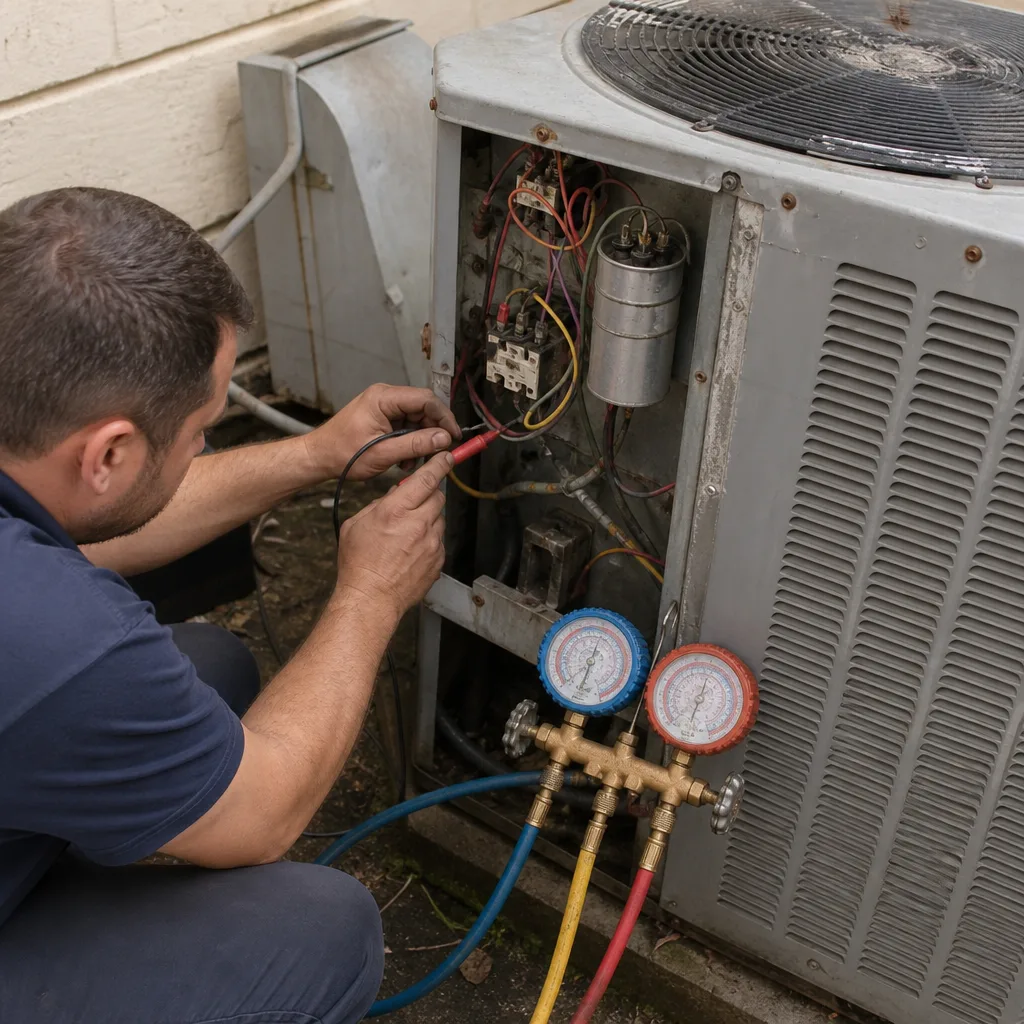
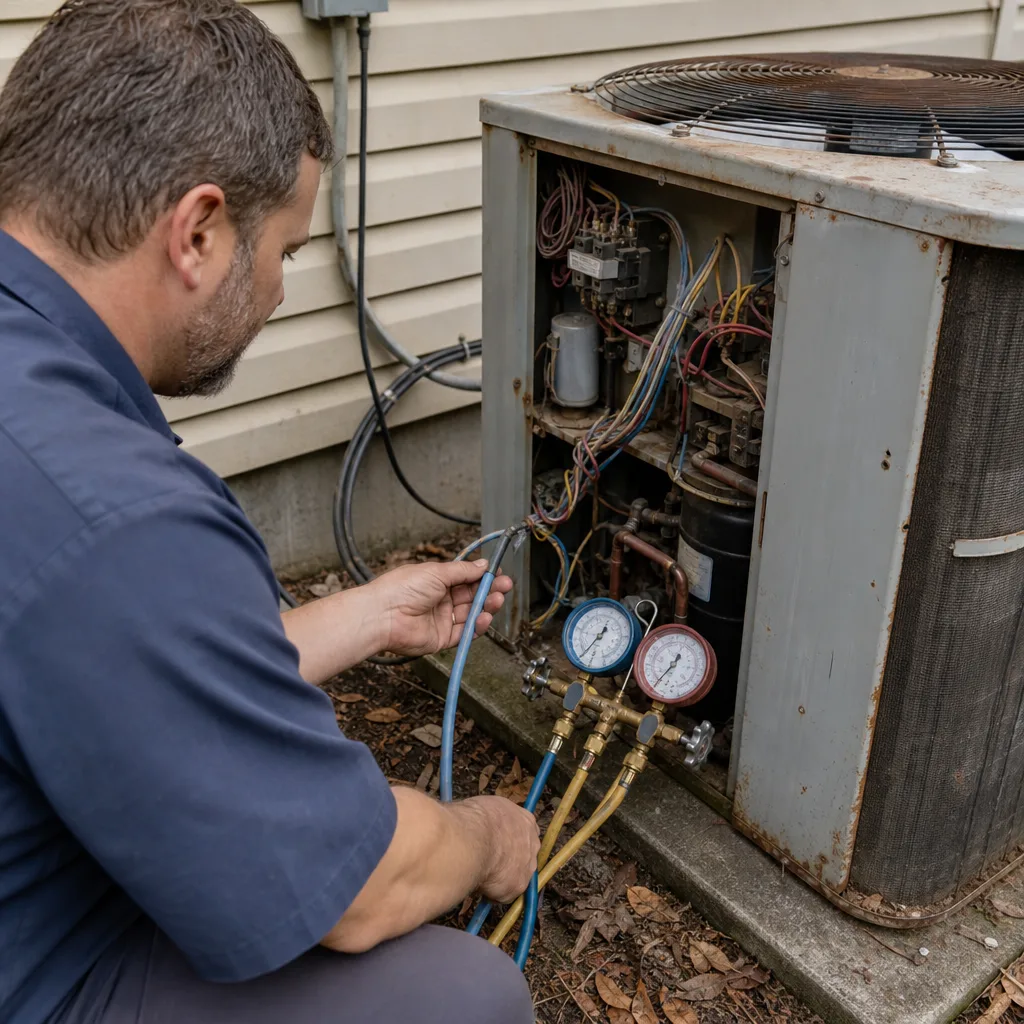
- You cannot legally braze or open the sealed system. Any repair that involves cutting into the refrigerant lines, replacing a compressor, or repairing a coil falls under this.
- You can legally check the air filter, clean the condensate drain, replace a thermostat, and wash down the outdoor unit. None of these touch refrigerant or open the sealed system.
The line is useful because it settles a lot of decisions quickly. If the task requires refrigerant, you’re hiring a professional. If the system is low on charge, that’s a symptom of a leak, not a maintenance item, and the repair requires certification. Adding refrigerant without finding and fixing the leak is a treadmill, not a fix, and the cost of repeated recharge visits exceeds the cost of one proper repair. We’ve seen homeowners in Gainesville spend far more on repeated top-offs than a leak search and repair would have cost them once.
What About Electrical Work on HVAC Equipment?
Electrical is a separate question and gets its own section below, but the short answer is that Florida’s homeowner permit exemption is narrower than most people assume. Replacing a thermostat that runs on low-voltage wiring is not the same as running new high-voltage circuits or replacing a disconnect box. The first is a DIY task for most homeowners; the second requires a permit and usually a licensed electrician or HVAC contractor.
The DIY Tasks That Are Genuinely Safe in Gainesville
Some HVAC maintenance is safe, legal, and worth doing yourself. These tasks protect your system, don’t risk your warranty, and don’t require a permit. Here’s what’s actually worth your time.
- Replace the air filter every 30 to 90 days. This is the single highest-value DIY task you can do. A clogged filter restricts airflow, forces the system to work harder, and can freeze the indoor coil. In Gainesville’s humid climate, filters load up faster than in dry parts of the country because the system runs longer. Check monthly during summer. A dirty filter is the most common cause of preventable AC problems we see.
- Clear the condensate drain line. Your AC produces gallons of water per day this time of year, and that water has to drain. A clogged drain line triggers a float switch, shuts the system down, and can cause water damage around the air handler. Pouring a cup of white vinegar through the drain line monthly keeps it clear. If you see standing water near the indoor unit, the line is already clogged.
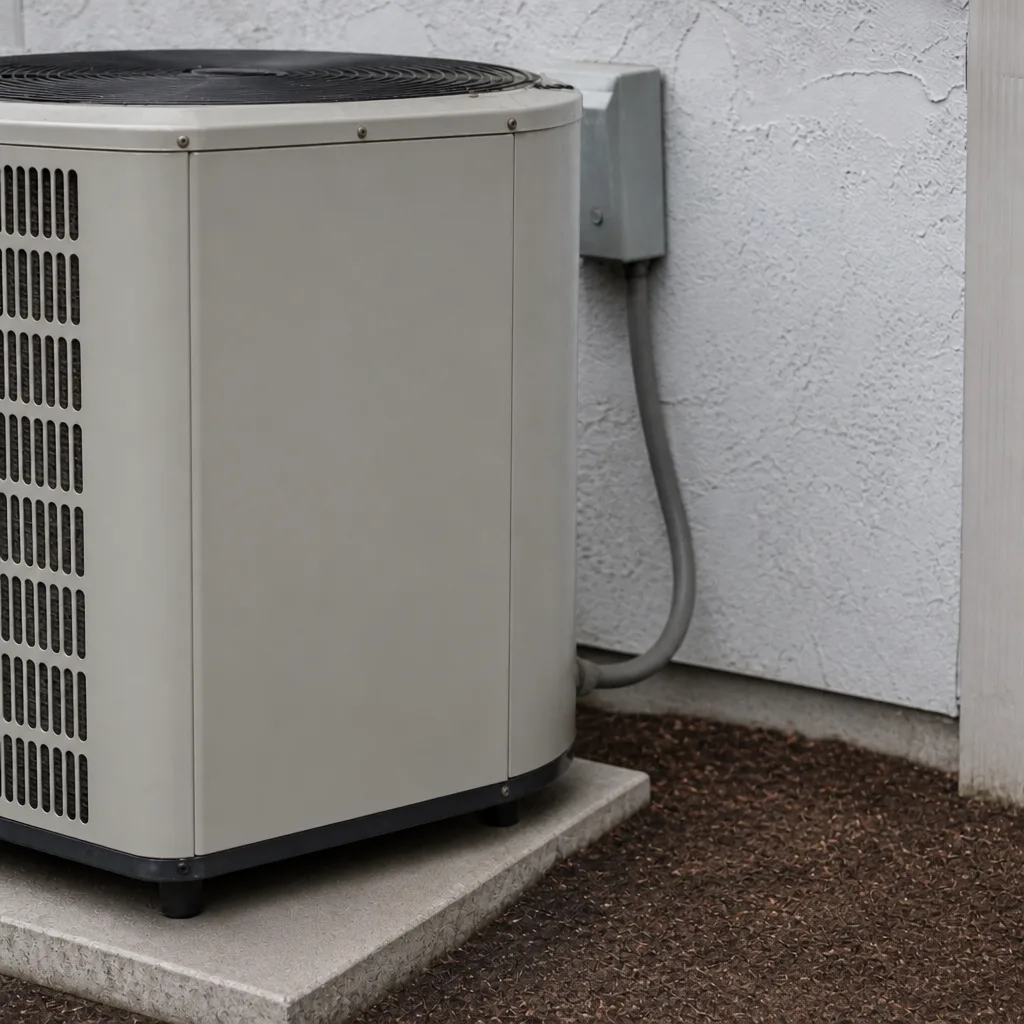
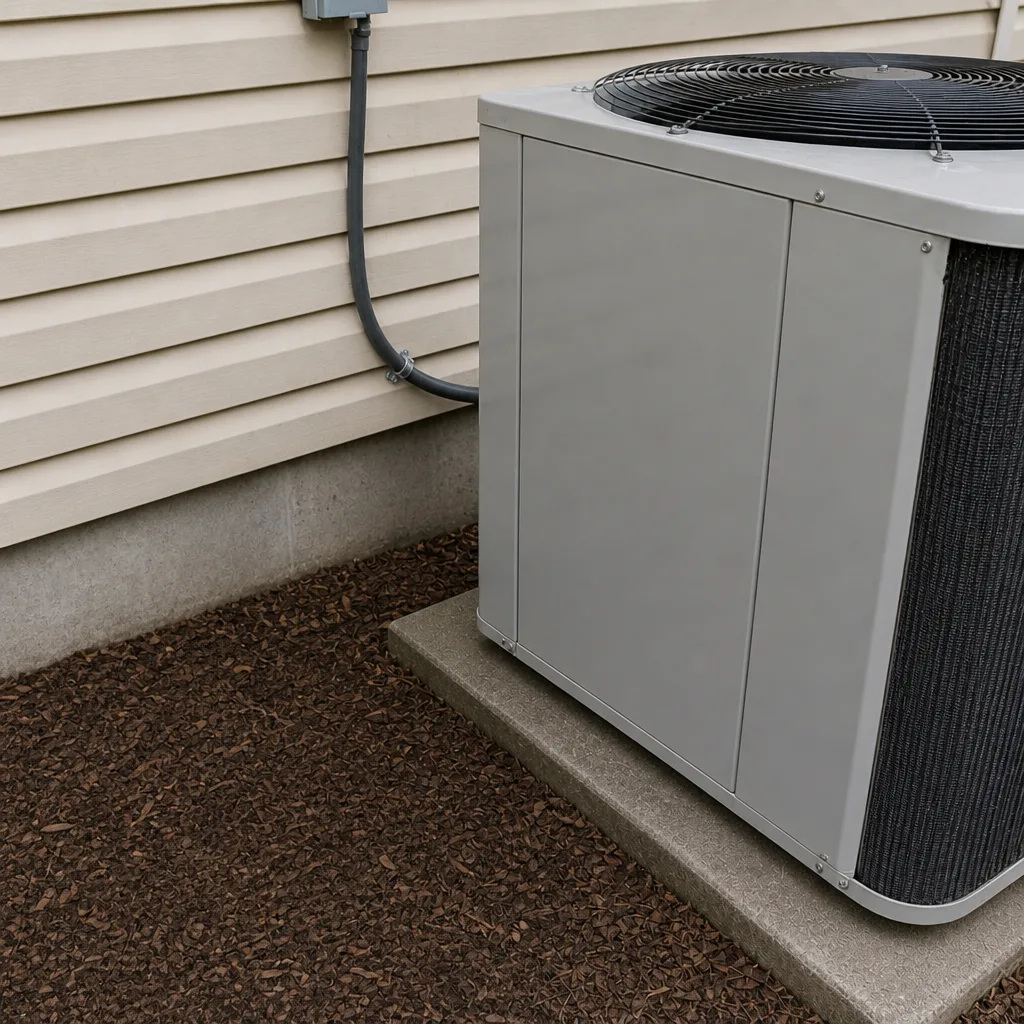
- Keep the outdoor unit clear. Trim vegetation back at least two feet from the condenser, clear leaves and grass clippings from the top and sides, and rinse the coil with a garden hose once a season. A choked condenser can’t reject heat, and the system runs longer and hotter as a result. Don’t bend the coil fins with a pressure washer; gentle hose pressure works fine.
- Replace a low-voltage thermostat. If your thermostat runs on low-voltage wiring and you’re swapping it like-for-like, this is a reasonable DIY task for a careful homeowner. Turn the breaker off first, photograph the wiring before you disconnect it, and follow the manufacturer’s instructions exactly. If the wiring doesn’t match the new unit’s terminals or your system uses a communicating thermostat, stop and call a professional.
- Verify the breaker and disconnect. Know where your HVAC breakers are and check that the outdoor disconnect is in good condition. Recognizing a tripped breaker is useful; replacing one is not a DIY task.
Everything else is a judgment call or a professional call. There’s no safe middle ground where a homeowner opens a sealed refrigerant circuit, and there’s little value in attempting repairs on capacitors, contactors, or compressors without the right tools and the training to diagnose them. Our technicians have up to 15 years of experience and work on equipment from Carrier, Trane, Lennox, Goodman, Rheem, York, Daikin, Bryant, and American Standard, so if you’re unsure whether a task is within your range, a phone call settles it faster than a search does.
DIY Electrical Work and Florida’s Homeowner Permit Exemption
Florida allows homeowners to perform certain electrical work on their own primary residence without pulling a permit, but the exemption has boundaries. It applies to single-family homes the owner occupies, it excludes work on rental properties and multi-family buildings, and it excludes new circuit installations in most jurisdictions. What it does not do is authorize unsafe work, and it does not override the manufacturer’s instructions or the local building department’s interpretation of the code.
On HVAC equipment specifically, the practical boundaries look like this:
- Low-voltage thermostat wiring: generally within the homeowner exemption. A like-for-like replacement doesn’t require a permit in most Gainesville cases.
- High-voltage circuit work: outside the exemption in most jurisdictions. New circuits, breaker swaps, and disconnect replacements need a permit and typically a licensed electrician or HVAC contractor.
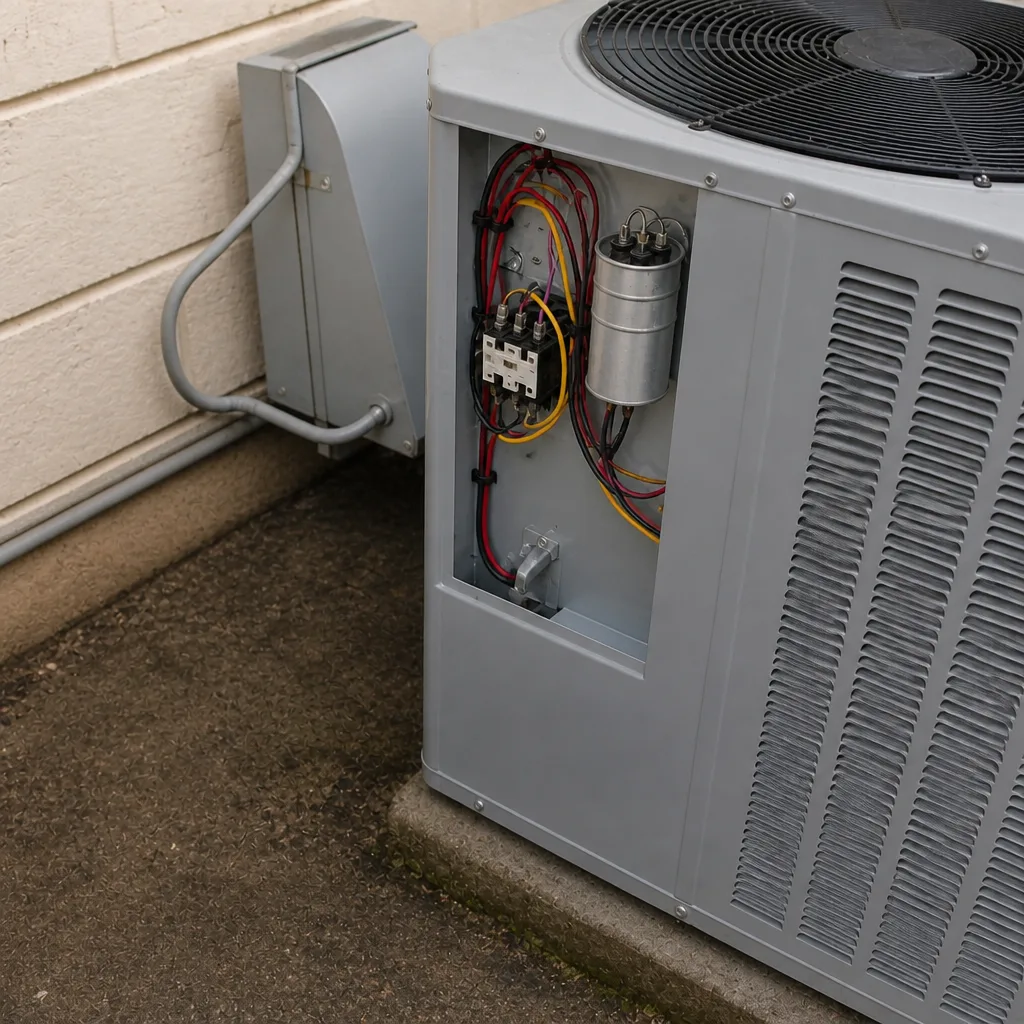
- Anything inside the air handler cabinet: outside the safe DIY zone. Capacitors, contactors, control boards, and blower motors all run on line voltage and all carry real shock risk, even after the breaker is off. A capacitor can hold a charge after power is removed.
- Disconnect box work: requires a permit and a licensed person in nearly every Florida jurisdiction. This is also a place where DIY mistakes tend to show up during a home inspection years later.
Here’s the practical consequence. If you do unpermitted electrical work on your HVAC system and the equipment later fails, the manufacturer’s warranty inspector will look at the install. If the work wasn’t permitted and wasn’t done by a licensed contractor, the claim gets denied. If you sell the home and the buyer’s inspector flags unpermitted work, you’re paying to have it redone properly before closing. The exemption exists for small, safe work, not as a loophole for circuit-level changes.
If you’re unsure whether a specific task falls inside the exemption, call the City of Gainesville’s building department and describe the task. They’ll tell you whether a permit is required, and the call is free. What you don’t want to do is assume, do the work, and discover the assumption was wrong at the worst possible moment.
How DIY Repairs Affect Your Manufacturer Warranty
Manufacturer warranties on HVAC equipment typically require that installation and repairs be performed by a licensed contractor, and they often require documentation of service history. A five-year parts warranty on a Lennox or Goodman system doesn’t just protect the compressor and the coil; it protects the parts the manufacturer shipped. What it doesn’t protect is a system that’s been serviced by an unlicensed person, because the manufacturer’s terms usually void coverage in that case.
The specific warranty provisions to understand:
- Installation warranty: Most manufacturers require a licensed contractor to perform the original installation for the full warranty term to apply. A homeowner-installed system usually gets a shortened or voided warranty.
- Service records: Some manufacturers require documented annual maintenance to keep the parts warranty in force. That documentation comes from a licensed contractor, not a homeowner’s notes.
- Repair history: If a failed part is replaced by an unlicensed person, the manufacturer can deny the claim for the replacement part and for any consequential damage that follows.
- Refrigerant handling: Because refrigerant work requires EPA certification, any DIY refrigerant work is a warranty violation on its face. The manufacturer doesn’t need to prove the work caused the failure; the work itself voids the coverage.
The financial math matters here. A compressor replacement on a Rheem or York system can run well into four figures, and that’s the number the warranty is protecting. A homeowner who saves a service call by adding refrigerant themselves risks losing that protection entirely. On a system still under warranty, the cheap route is expensive. On an older system out of warranty, the calculus changes, but the refrigerant law doesn’t. The sealed system is still off-limits.
If you’re not sure whether your system is still under warranty, check the model and serial plate on the outdoor unit and the air handler, then look up the manufacturer’s warranty terms by model. Replacement and repair offered side by side means we can give you an honest read on whether keeping the warranty intact is worth the repair cost or whether replacement makes more financial sense. That conversation is free, and it’s a better use of an afternoon than trying to diagnose a control board yourself.
Why Gainesville’s Climate Changes the Calculus
Gainesville’s summers are long, humid, and hard on HVAC equipment, and that changes how often maintenance tasks need doing. A filter that would last three months in a dry climate loads up in six weeks here because the system runs longer and pulls more particulate from the air. Condensate lines that stay dry most of the year in other parts of the country run continuously from spring through fall, which means clogs happen faster and water damage follows sooner. The outdoor unit works harder because the temperature differential between the coil and the ambient air is smaller, so a dirty condenser coil costs more here than it would in a milder climate.
What that means for the DIY versus professional question:
- Filter changes need to be more frequent. Check monthly during the cooling season, replace at 30 to 60 days, and don’t stretch it to three months because the packaging says so.
- Condensate maintenance is not optional. A monthly vinegar flush takes five minutes and prevents the most common cause of mid-summer shutdowns we see in Gainesville.
- Outdoor unit clearance matters more. Vegetation grows fast in this climate, and a condenser that’s buried in shrubs can’t reject heat. Clear it in spring and check again mid-summer.
- Seasonal checkups are worth more. A spring tune-up catches low charge, failing capacitors, and dirty coils before the first heat wave, when a failed system becomes an emergency.
Gainesville’s mix of older homes near the university and newer construction on the west side means equipment age varies widely. A 1990s system near Duckpond and a newer build out toward Jonesville have very different maintenance profiles. Older equipment benefits more from regular professional inspection because the components are closer to end of life, and newer equipment benefits from keeping the warranty intact. Both point toward the same conclusion: some DIY is worth doing, and some is worth paying for.
A Decision Framework: DIY, Repair, or Replace
The clearest way to decide is by symptom. Some problems are DIY maintenance items, some are professional repairs, and some are replacement conversations. Here’s the framework we use.
Call a professional immediately if:
- You smell gas or burning. Shut the system off at the breaker and call. This is not a diagnostic project.
- The system is blowing warm air in cooling mode. That signals low refrigerant, a failed compressor, or a control problem. All require certified diagnosis.
- There’s standing water around the indoor unit. The drain is clogged past the point of a vinegar flush, or the drain pan has failed. Water damage compounds quickly.
- The breaker trips repeatedly. A tripping breaker is a symptom of a short or a failing component, and resetting it repeatedly risks a fire.
- You see ice on the refrigerant lines or the indoor coil. That’s a sign of restricted airflow or low charge, and it can’t be fixed by turning the system off and waiting.
- The system won’t start at all. Could be a thermostat, a capacitor, a contactor, or a control board. Diagnosis requires a meter and the experience to read it.
Try DIY first if:
- The filter is visibly dirty and the system is otherwise running fine.
- There’s water in the drain line but the system is still cooling.
- Your thermostat needs a like-for-like replacement and the wiring matches.
- The outdoor unit has visible debris on the coil or vegetation crowding it.
Start thinking about replacement if:
- The system is more than 12 to 15 years old and needs a major repair like a compressor or coil.
- Repairs are piling up and the annual repair cost is climbing toward a replacement.
- The system uses R-22 refrigerant, which is phased out and increasingly expensive to service.
- You’re facing a second major repair in as many years.
Repair and replacement are offered side by side because the honest answer depends on the system, not on which option pays better. A 10-year-old Goodman system with a failed capacitor is a repair. A 16-year-old Trane system with a failed compressor and a leaking coil is usually a replacement conversation. If you’re facing that decision in Gainesville, an honest assessment from a technician who works on both premium and value-tier equipment is worth more than any online calculator.
What Professional HVAC Work Typically Costs in Gainesville
Pricing varies by the job and by the equipment, but here are the typical ranges homeowners in Gainesville can expect. These are estimates, and the written estimate you receive sets the final price.
- Diagnostic visit: typically free or included with the repair estimate. Call (844) 223-9427 for details on your situation.
- Capacitor replacement: typically $150 to $350 installed.
- Contactor replacement: typically $150 to $300 installed.
- Condensate drain clearing and repair: typically $100 to $250.
- Refrigerant leak search and repair: typically $300 to $900 depending on the leak location and the amount of refrigerant required.
- Blower motor replacement: typically $400 to $800 installed.
- Compressor replacement: typically $1,200 to $2,200 installed, and often the point where replacement becomes the better financial call.
- Full system replacement (AC and furnace): varies widely by equipment tier and home size; a written estimate after a load calculation is the only accurate number.
Compare those numbers to the cost of the DIY alternative. A failed capacitor costs $20 at a supply house and $200 installed, which looks like a savings until you factor in the risk of a misdiagnosis, a burnt control board, or a warranty claim denied because the repair wasn’t documented. On a system still under warranty, the math almost always favors the professional repair. On an older system, the math depends on what’s actually failing, which is why the diagnosis comes first.
We work on equipment from Carrier, Trane, Lennox, Goodman, Rheem, York, Daikin, Bryant, and American Standard, which means there’s no “we don’t service that brand” dead end in Gainesville. Whether your system is builder-grade or a premium efficiency unit, the diagnostic process is the same, and the recommendation follows the equipment’s condition rather than a sales target. If you need AC installation or a furnace replacement, the same team handles both, so you’re not coordinating multiple contractors.
Common Mistakes to Avoid
- Adding refrigerant without finding the leak. Topping off a low system is illegal without certification and pointless even when it’s done properly, because the leak will pull the charge down again within weeks. Fix the leak, then recharge.
- Running the system with a clogged filter. A dirty filter restricts airflow, freezes the indoor coil, and forces the system to work harder in Gainesville’s long cooling season. This is the cheapest problem to prevent and the most expensive to ignore.
- Attempting high-voltage repairs after flipping the breaker. Capacitors hold a charge after power is removed, and line-voltage components inside the air handler carry real shock risk. This is not a place for trial and error.
- Doing unpermitted electrical work. The homeowner exemption is narrow. If you’re running a new circuit or replacing a disconnect, the permit and the licensed contractor exist for a reason, and the unpermitted work will surface during a home inspection or a warranty claim.
- Ignoring the warranty terms before DIY. A manufacturer warranty can be voided by unlicensed service, and the cost of that voided coverage usually exceeds whatever the DIY repair saved. Read the terms before you pick up a tool.
- Pressure-washing the outdoor coil. High pressure bends the fins, and bent fins can’t reject heat. A garden hose with gentle pressure is the right tool.
- Waiting until the system fails to call for service. A spring tune-up catches failing capacitors and low charge before the first heat wave, when a failed system becomes an urgent repair and the schedule fills up. Preventive service is the cheapest service.
See the difference
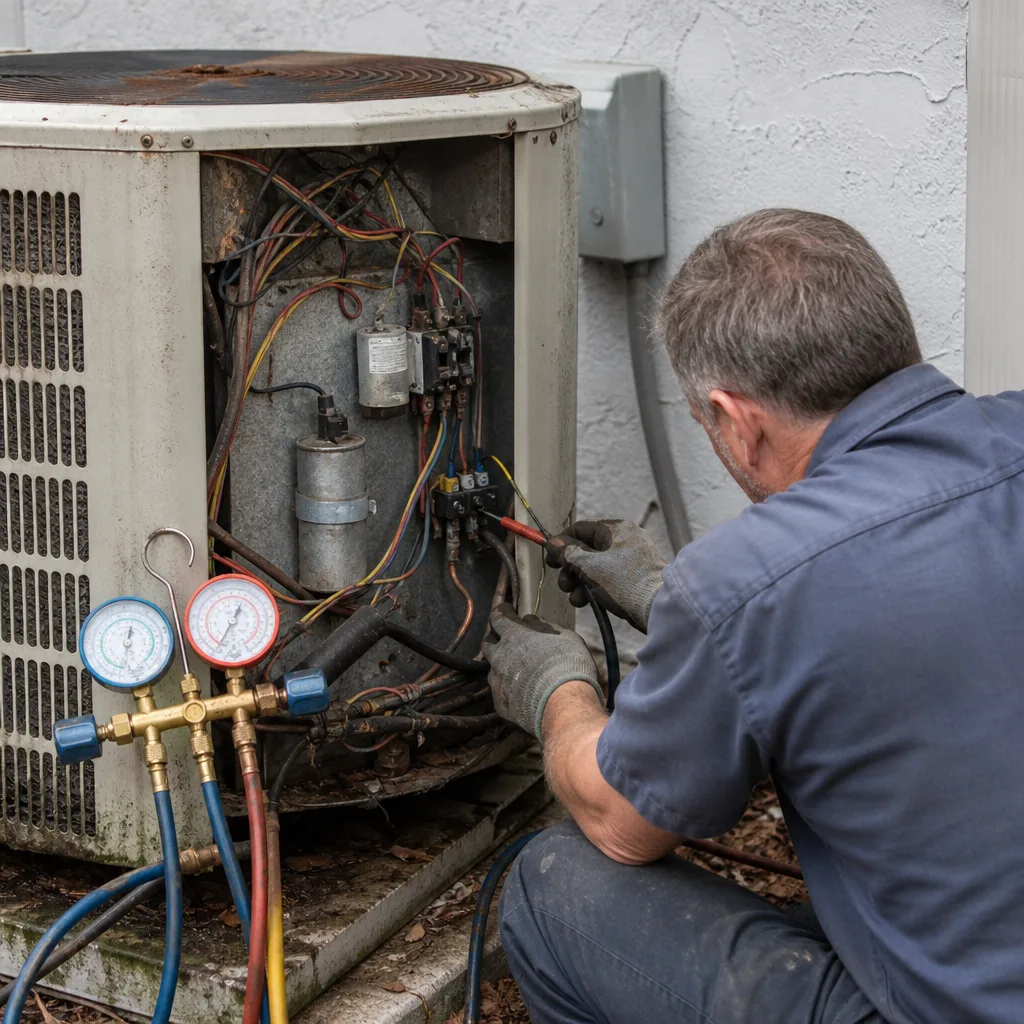 Before
 After
 Before
 After
 Before
 After
When to Call a Professional
Call a professional when the symptom involves refrigerant, sealed electrical components, gas, or anything you can’t diagnose with certainty. That includes warm air in cooling mode, ice on the lines, repeated breaker trips, a system that won’t start, standing water around the indoor unit, and any repair on equipment still under warranty. The financial case is simple: an unlicensed repair that voids a warranty costs more than the repair itself, and a misdiagnosis can damage parts that were working fine. If you’re in Gainesville and you’re not sure which side of the line your task falls on, AC Repair Gainesville offers free estimates – call (844) 223-9427. We answer 24/7. Fast dispatch from 7am to 7pm, Sunday through Friday.
Frequently Asked Questions
No. Florida law, following federal EPA rules, requires Section 608 certification to purchase or handle refrigerant, which means a homeowner cannot legally recharge their own system. The sale of refrigerant itself is restricted to certified technicians. If your system is low on charge, it needs a licensed professional to find and fix the leak, then recharge it properly. Call (844) 223-9427 for an estimate on a leak search and repair.
Usually yes, if it’s a low-voltage thermostat and you’re replacing it like-for-like. Turn the breaker off, photograph the wiring before you disconnect it, and follow the manufacturer’s instructions. If the new thermostat uses different terminals or your system has a communicating thermostat, stop and call a professional. A thermostat mismatch can damage the control board, which costs far more than the thermostat did.
It can. Most manufacturer warranties require licensed contractor service, and some require documented maintenance records to keep the parts warranty in force. DIY refrigerant work voids the warranty on its face because the work itself is illegal without certification. Electrical work by an unlicensed person can also void coverage if the manufacturer can show it caused the failure. Check your warranty terms by model and serial number before you start.
Every 30 to 60 days during the cooling season, and monthly if you have pets or the system runs continuously. Gainesville’s long, humid summers mean the system runs more hours than in milder climates, and the filter loads up faster as a result. Check it monthly and replace it when it’s visibly dirty, not when the packaging suggests. A clean filter is the cheapest protection your system has.
Turn the system off and call a professional. Warm air in cooling mode signals low refrigerant, a failed compressor, or a control problem, and all three require certified diagnosis. Running the system with a known problem can cause further damage. We answer 24/7, and fast dispatch from 7am to 7pm, Sunday through Friday, gets a technician out quickly. Estimates are free, so call (844) 223-9427.
It depends on the repair. A failed capacitor or contactor on a 15-year-old system is usually worth fixing. A failed compressor or a leaking coil on a system that age is usually a replacement conversation, especially if it uses phased-out R-22 refrigerant. Replacement and repair are offered side by side, so the recommendation follows the system’s condition rather than a sales target. Call (844) 223-9427 for an honest assessment.
The Bottom Line
Florida law settles the DIY HVAC question faster than any cost comparison. Refrigerant work requires certification, full stop, and electrical work inside the air handler belongs to a licensed professional for reasons of both safety and warranty. What’s left for the homeowner is real and worth doing: filter changes, condensate line maintenance, outdoor unit clearance, and careful thermostat swaps. Those tasks protect the system without risking coverage. Everything else is a call. In Gainesville, where the cooling season runs long and the humidity stays high, the homeowner who does the small maintenance well and calls for the rest spends less over the life of the system than the one who tries to do it all.
If you’re facing a repair, a replacement decision, or you’re just not sure which side of the line your task falls on, call AC Repair Gainesville at (844) 223-9427 for a free estimate. We answer 24/7. Fast dispatch from 7am to 7pm, Sunday through Friday, and we’re closed Saturday. We work on Carrier, Trane, Lennox, Goodman, Rheem, York, Daikin, Bryant, and American Standard equipment, so there’s no brand dead end, and we’ll tell you honestly whether repair or replacement makes the better financial call for your home and your budget.
Written by the team at AC Repair Gainesville.