
Last updated November 15, 2026
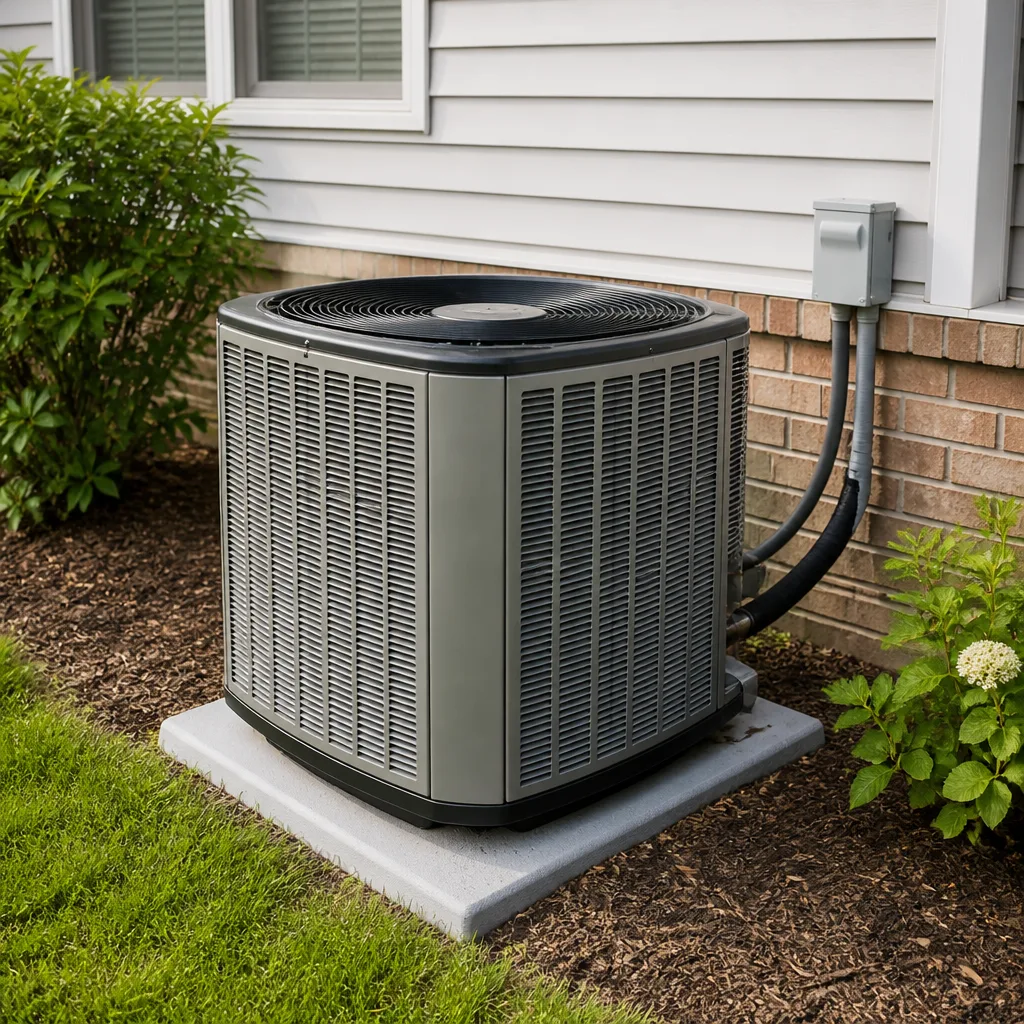 AC repair
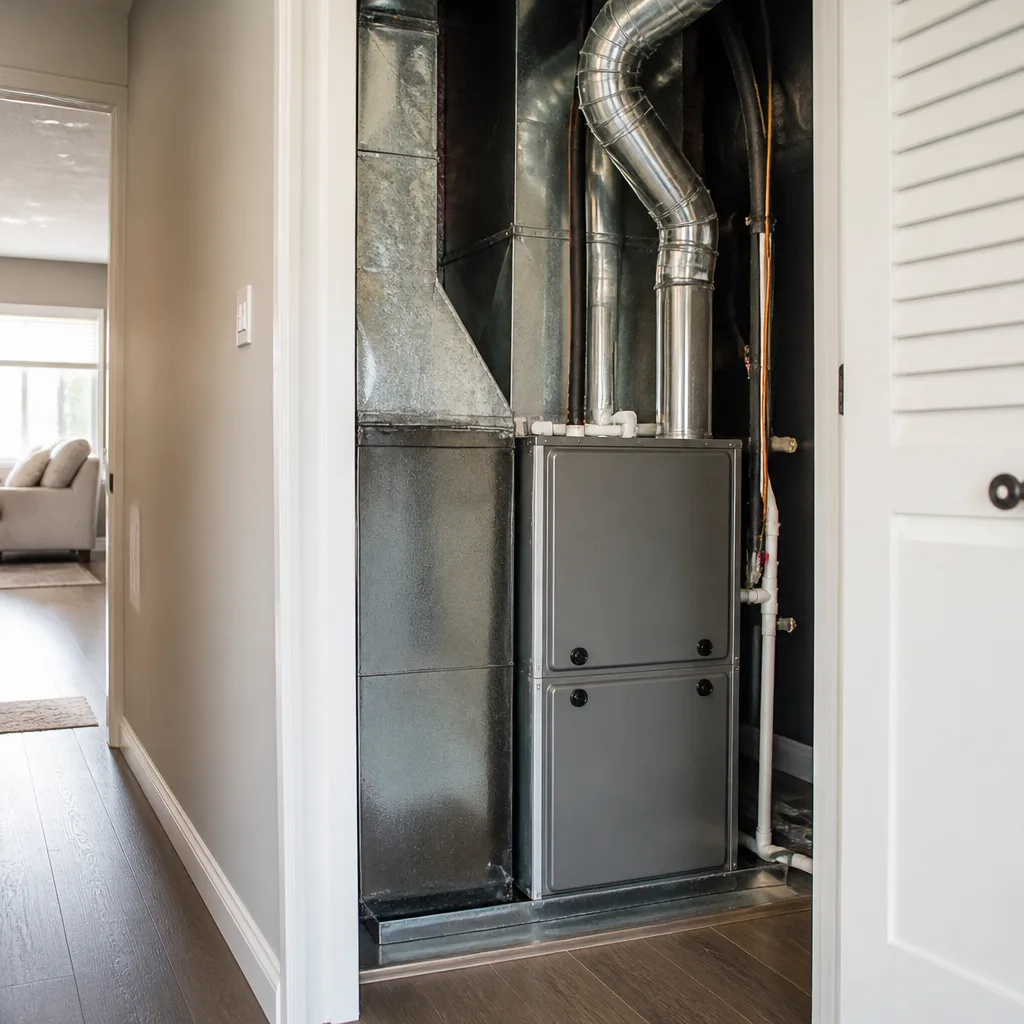 Furnace & heating
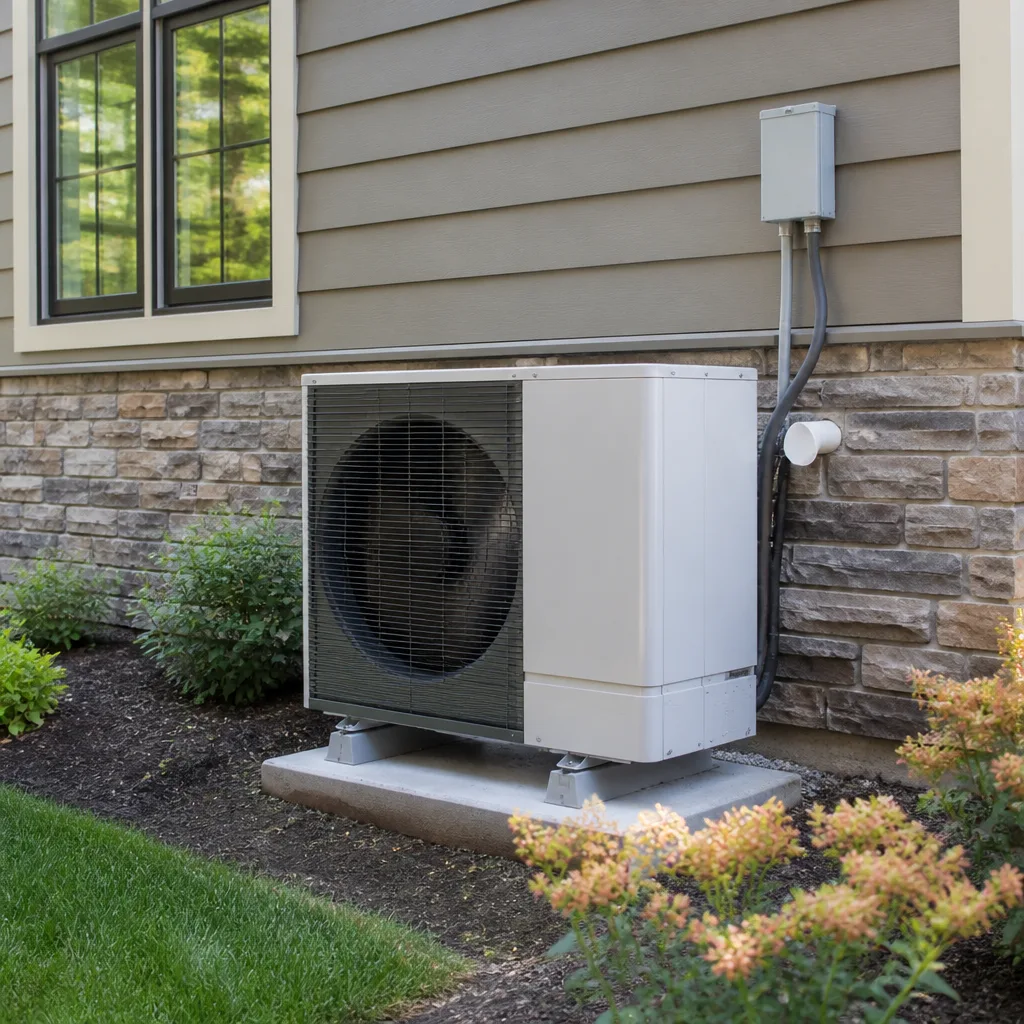 Heat pumps
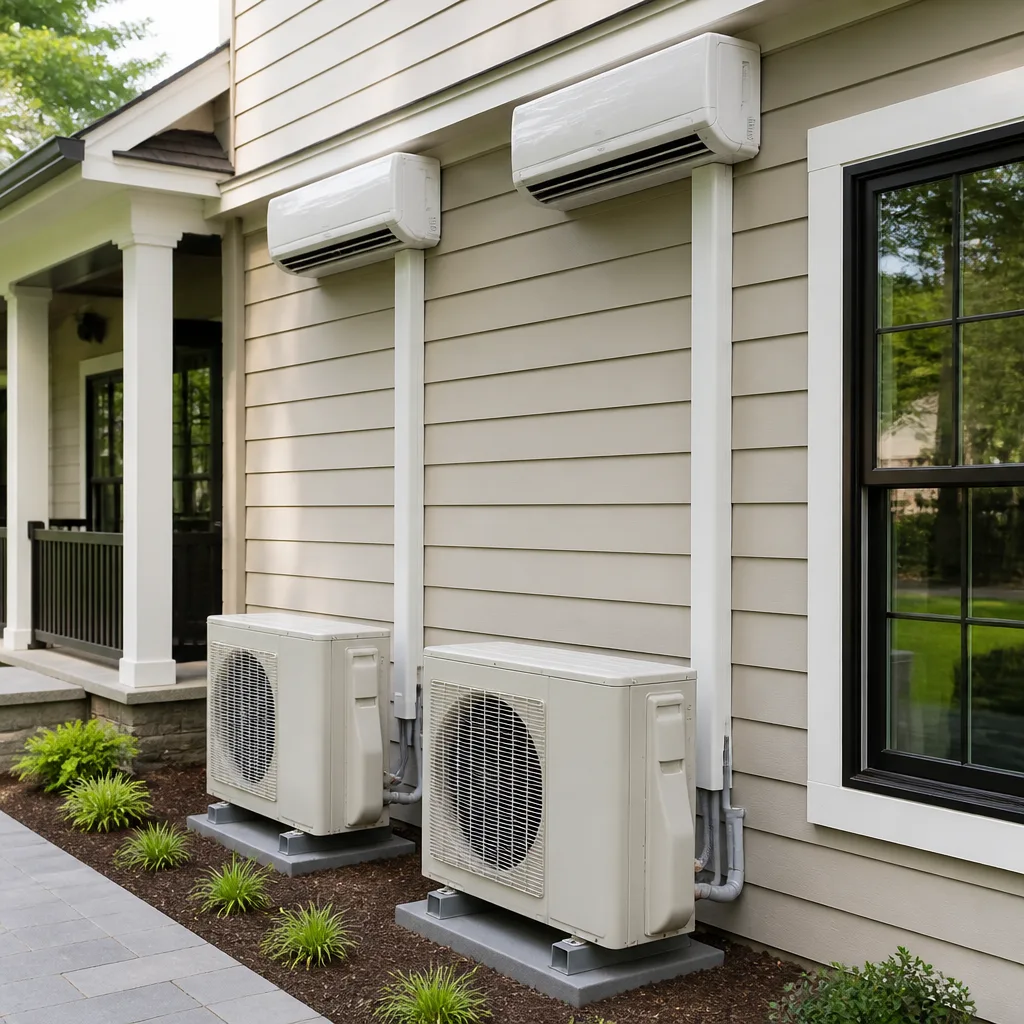 Ductless mini splits
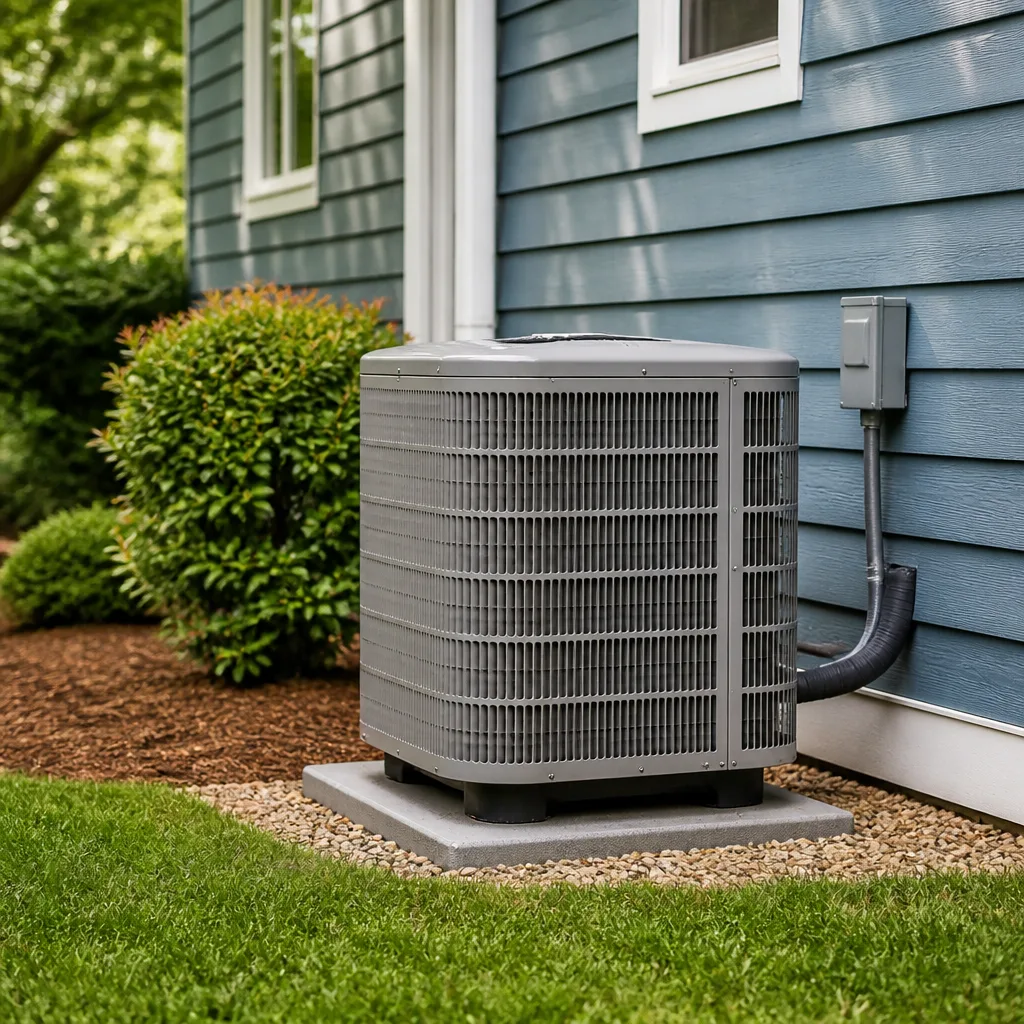 Carrier
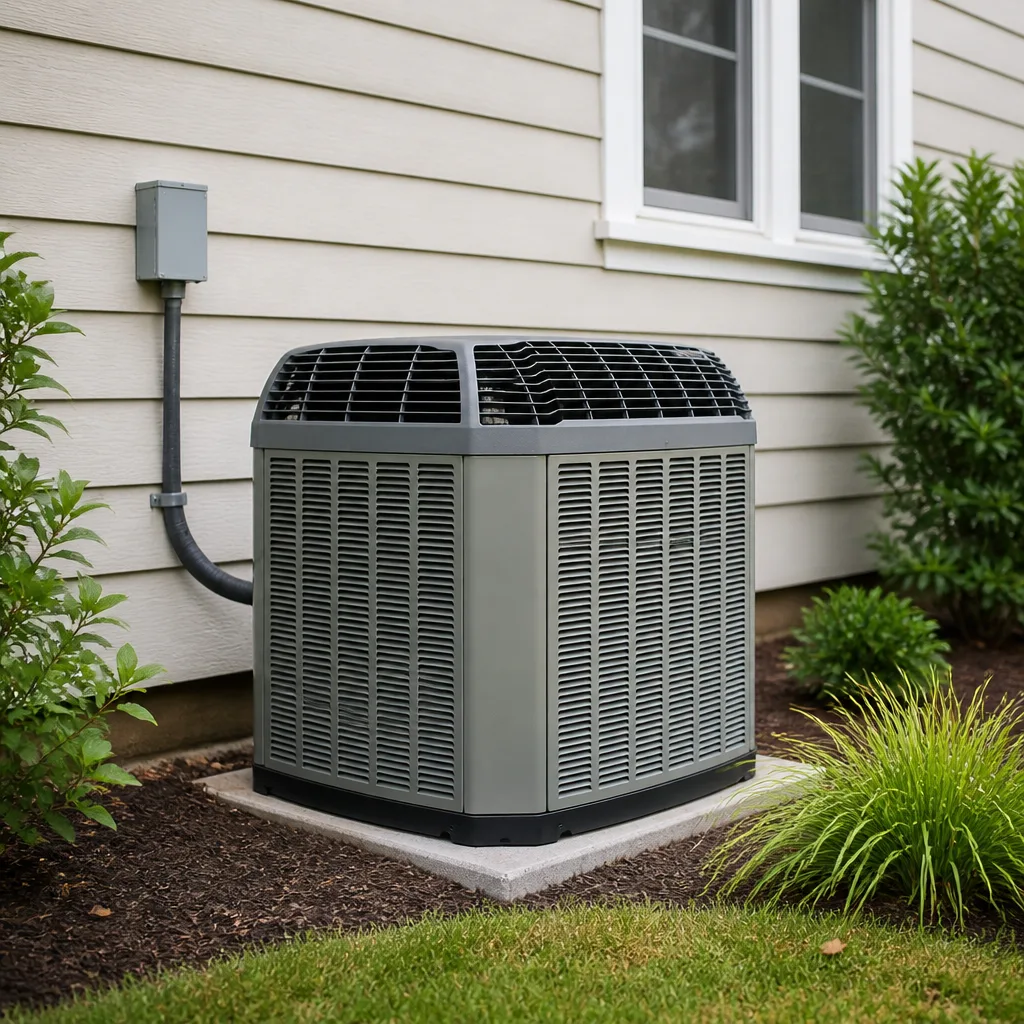 Trane
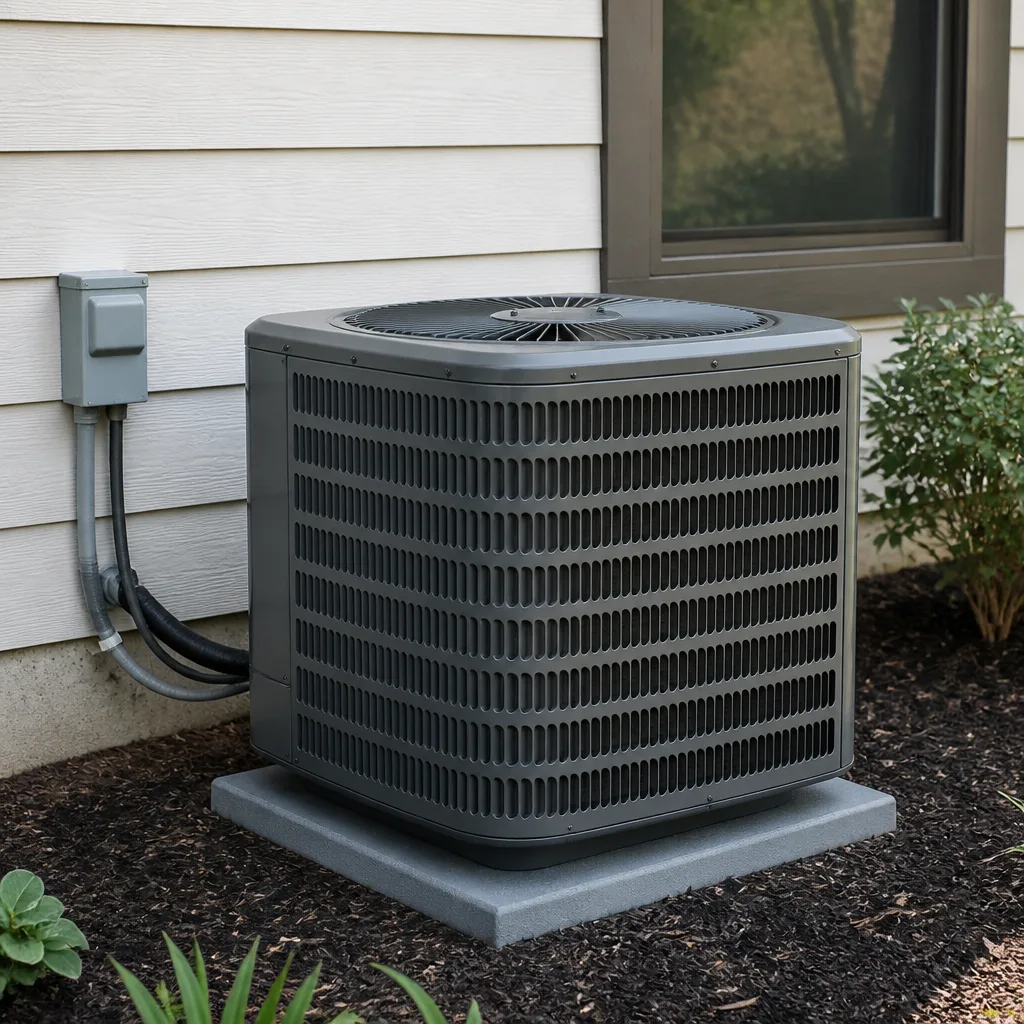 Goodman
Seasonal tune-up and full diagnostic on your Carrier, Trane, or Goodman system - readings shown to you before any repair is proposed
Diagnosis first, numbers second - you approve the repair price before a single part goes in.
Get your free estimateChoosing the Right HVAC Brand: A Buyer’s Guide for Gainesville
Most brand guides rank manufacturers by national reliability scores, and most homeowners in Gainesville read them as if the ranking alone settles the decision. It doesn’t. A premium-brand system installed by a contractor who isn’t certified on that equipment can void the extended warranty on day one, and a top-rated name with no local parts network or trained technicians becomes a liability the moment the first part fails. In this market the brand you pick is only as good as the contractor network that supports it, so the real question isn’t “which brand is best” but “which brand can actually be serviced, warrantied, and supported where you live.” This guide covers how to judge a brand on local terms, what features matter in Gainesville’s humidity, how warranty tiers really work, and when paying more for a premium name is justified.
Quick Answer
The right HVAC brand for a Gainesville home is the one a certified local technician can service and warranty reliably. That means prioritizing technician certification density and parts availability in Alachua County over national rankings, then matching the equipment tier to your budget and runtime. Carrier, Trane, Lennox, Goodman, and Rheem all make solid residential equipment; the difference that matters most is who installs and maintains it.
Key Takeaways
- Local contractor certification on your specific brand matters more than a national review score.
- Humidity control and variable-speed performance count heavily in Gainesville’s climate.
- Registered warranty beats base warranty, but only if installation meets the manufacturer’s requirements.
- Mid-tier brands are often the smarter buy unless your home demands premium runtime performance.
- Mixing brands between air handler and condenser is sometimes fine and sometimes not, and the manual tells you which.
Styles & brands we work with
- AC repair
- Furnace & heating
- Heat pumps
- Ductless mini splits
- Carrier
- Trane
- Goodman
Table of Contents
- Why Local Certification Matters More Than Brand Rankings
- The Brand Features That Actually Matter in Gainesville’s Climate
- Registered Warranty vs. Base Warranty: What You Actually Get
- Mid-Tier vs. Premium Brands: When the Extra Cost Pays Off
- Mixing Brands on the Air Handler and Condenser
- Brand Loyalty and Your Replacement Decision
- How to Evaluate a Brand in the Gainesville Market
- Questions to Ask Any Contractor About Brand Support
Why Local Certification Matters More Than Brand Rankings
A national reliability score tells you how a brand performs on average across the country. It tells you nothing about whether a technician in Gainesville can get the parts for it, whether that technician is certified to work on it, or whether the manufacturer will honor a warranty claim handled by an uncertified installer. Those are the variables that decide how painful your next five years with the system will be.
Certification density is the term that captures this. It means how many qualified technicians in your local market are trained and certified on a given brand. In a market like Gainesville’s, where summers run long and the cooling load stays high well into fall, a brand with deep local support is easier to service quickly. A brand that’s nationally respected but thinly supported locally often means longer waits for parts and fewer technicians who can diagnose its specific control boards and communication protocols.
Parts availability works the same way. When a compressor or a control module fails, the question is how fast it can be sourced. Common residential brands with a strong distributor footprint in Alachua County are typically faster to repair than niche brands that require special orders. That doesn’t make the niche brand bad; it means you should know the tradeoff going in.
We’ve seen this play out in the field: the brand on the label matters less than the answer to one question, which is whether the contractor standing in your driveway is certified on it. We work on nine of the most widely installed residential brands, which is precisely why homeowners here don’t hit “we don’t service that brand” dead ends. You can read more about our Gainesville coverage and how we handle brand support across equipment types.
The Brand Features That Actually Matter in Gainesville’s Climate
Gainesville’s heat and humidity put specific demands on a cooling system. Sensible cooling (lowering the temperature) is only half the job; the other half is latent cooling, which is pulling moisture out of the air. A system that’s oversized or poorly matched will hit your setpoint quickly but leave the house clammy, because it doesn’t run long enough to dehumidify. That’s a common problem here, and it’s often framed as a brand issue when it’s really a sizing and setup issue.
When you’re comparing brands, these are the features worth weighing for a Gainesville home:
- Variable-speed compressor and blower: These systems ramp up and down rather than cycling on and off at full blast. In humid climates, the slower, longer run times do a better job of dehumidification and hold temperatures more evenly. Premium lines from Carrier, Trane, and Lennox typically offer this; standard single-stage equipment doesn’t.
- Dedicated dehumidification modes: Some premium systems include a mode that prioritizes moisture removal over strict temperature setpoint. In a Gainesville summer, this can make the difference between a house that feels comfortable and one that feels cold and damp.
- Coil and cabinet corrosion protection: Homes near Paynes Prairie and other low-lying green areas can see higher ambient moisture around the outdoor unit. Brands offering treated coils or corrosion-resistant cabinets are worth considering if your equipment sits in a shaded, damp spot.
- Two-stage vs. single-stage: Two-stage equipment is a middle ground; it’s more efficient and quieter than single-stage without the full price of variable-speed.
For a broader look at how equipment selection ties into the repair and install work we handle, see our ac repair Gainesville page and our ac installation service. Equipment choice and installation quality are inseparable; the best brand in the world performs poorly if the load calculation is wrong or the charge isn’t set correctly.
Registered Warranty vs. Base Warranty: What You Actually Get
Here’s a distinction that trips up a lot of homeowners. Every major residential brand offers a base warranty, and virtually all of them offer an extended warranty that kicks in when the equipment is registered. The base warranty is what you get automatically. The registered warranty is what you get when the installer registers the system with the manufacturer, and it’s often noticeably longer on parts and the compressor.
The critical catch: registration usually requires that the equipment was installed by a licensed, certified contractor according to the manufacturer’s specifications. If the installation didn’t meet those requirements, the manufacturer can deny the extended coverage. That’s why the installation contract and the registration confirmation matter as much as the brand itself.
- Confirm the registration is done. Ask for proof that the system was registered with the manufacturer, not just a verbal assurance.
- Check what the base warranty covers versus the registered warranty. Parts, compressor, and labor are separate items and aren’t always the same length.
- Keep your install paperwork. If you ever need a claim on a registered warranty, the manufacturer will want to see installation records.
- Know that labor is often separate. Most brand warranties cover parts, not labor. Ask your contractor what labor coverage, if any, comes with the installation.
When we install a system, our aim is to install it to the manufacturer’s spec so that the registered coverage applies. We also handle furnace repair and furnace replacement on the heating side, which means the same team that installs your equipment is the one that can service and warranty-support it later. That continuity matters at claim time, because the history and workmanship stay with one team instead of getting passed between contractors.
Mid-Tier vs. Premium Brands: When the Extra Cost Pays Off
The honest answer here is that premium brands like Trane and Lennox are worth the money in specific situations, and mid-tier brands like Goodman and Rheem are the smarter buy in others. Brand-tier marketing tends to flatten this into “premium is always better,” which isn’t true in a Gainesville home.
Premium equipment is generally justified when:
- Your home has uneven temperatures room to room, and variable-speed equipment can address that better than a single-stage system.
- You live in a humid pocket of Gainesville where moisture control is a real comfort issue, and dedicated dehumidification features matter.
- You plan to stay in the home long enough to realize efficiency gains over the life of the equipment.
- You want quieter operation and can hear a single-stage unit cycling from inside the house.
Mid-tier equipment makes sense when:
- Your home is well-insulated and the cooling load is modest, so a variable-speed system’s advantages are less pronounced.
- You’re replacing a builder-grade system and your priority is reliable cooling at a reasonable cost.
- The budget is fixed and the mid-tier equipment is the better match to your actual runtime needs.
Because we work across both premium and value tiers, we can match a recommendation to your home and your budget without steering you toward one manufacturer. The right system for your home and your budget is the goal, and that sometimes means recommending the less expensive equipment. If you’re weighing repair against replacement entirely, our Gainesville HVAC team can also help you think through that call honestly.
Mixing Brands on the Air Handler and Condenser
Homeowners often assume that replacing the outdoor condenser means replacing the indoor air handler at the same time, or vice versa. Sometimes you can replace one and keep the other. Sometimes you can’t. And sometimes you can mix brands without a problem, while other times it creates a compatibility headache.
The determining document is the manufacturer’s air handler or coil match list, sometimes called the AHRI reference or the equipment match table. Manufacturers publish which condensers are compatible with which indoor coils and air handlers. If the combination you’re proposing is on that list, you’re fine, even if the brands differ. If it isn’t on the list, you risk efficiency loss, warranty complications, and performance that falls short of the rated numbers.
- Look up the match. Before agreeing to a replacement of just one component, confirm the existing component is a documented match for the new one.
- Think about the refrigerant transition. Older systems using discontinued refrigerants can complicate a partial replacement; ask your contractor to check compatibility.
- Weigh the efficiency loss. A mismatched combination can degrade efficiency and void the manufacturer’s rated performance claims.
- Consider future service. A mismatched system can be harder to diagnose because the components weren’t designed to communicate with each other.
Mixing brands isn’t inherently bad, but it should be a deliberate choice made with the match list in hand, not a guess. Repair or replace, we’ll tell you which one actually makes sense, and if the honest answer is “keep the existing air handler and replace only the condenser,” that’s what you should hear.
Brand Loyalty and Your Replacement Decision
If you’ve had a Carrier or a Trane system for a decade and it’s been reliable, there’s a real case for staying with that brand. Familiarity means the technician already knows the control board layout and the common failure modes on that equipment line, which can speed up repairs and reduce misdiagnosis.
But loyalty shouldn’t override the practical picture. A few things to weigh when your old brand is on the table for replacement:
- Current parts availability and support. If your old brand’s local support has declined, switching to a brand with stronger local certification density may serve you better going forward.
- Registration and warranty history. If your old system was never registered, the extended coverage may have been lost, which changes the cost-benefit math on staying versus switching.
- Equipment tier. If your current system is a base model and your comfort needs have outgrown it, a mid-tier or premium brand with better dehumidification features may be the smarter move.
- The installing contractor. Loyalty to a brand means more when the contractor installing the replacement is certified on it.
We’ve had customers stay with their existing brand for another decade, and we’ve had customers switch and end up happier because the new brand’s local support happened to be better. The recommendation should follow the system’s condition and your comfort needs, not a fixed brand preference.
How to Evaluate a Brand in the Gainesville Market
If you’re going to judge a brand locally rather than nationally, here’s the sequence that works best. It’s the same approach we’d take if we were buying equipment for our own homes.
- Ask which local technicians are certified on the brand. A brand with few certified technicians in town means longer waits and fewer options when something goes wrong.
- Check parts availability. Ask how long a common part would take to source. If the answer is weeks on a control board, that’s a meaningful risk in Gainesville’s heat.
- Look at the warranty structure, not just the length. Confirm what the base warranty and the registered warranty actually cover, and whether labor is included.
- Read the manufacturer’s installation requirements. This tells you what the contractor owes you for the registered warranty to apply.
- Ignore the top-line national rankings as your deciding factor. Use them as a starting point, not the verdict.
This local-first evaluation is the point most national brand guides miss entirely. Consumer aggregators are useful for narrowing the field, but the final call should be made on local capability. In a market like Gainesville’s, where AC runs hard for a large part of the year, the brand on the label is only as good as the network standing behind it.
Questions to Ask Any Contractor About Brand Support
When you interview a contractor, these questions do the most work. A straight answer tells you a lot; an evasive one tells you more.
- Which brands are you certified to work on? Our answer is nine of the most widely installed residential brands; a contractor who shrugs and says “we work on anything” without specifics is worth pressing on.
- Will you register the new system with the manufacturer, and can I get a copy of the registration? This directly affects your warranty coverage.
- If I only replace the condenser (or air handler), will you verify the match with the existing equipment? A contractor who skips this step is inviting compatibility problems.
- How long does a factory part order usually take? This gives you a realistic sense of downtime if something fails.
- Who handles the labor portion of a warranty claim? Knowing this upfront avoids finger-pointing later.
- Will you give me the installation paperwork and the load calculation? This is the evidence the manufacturer may want if a warranty claim comes up.
These aren’t trick questions, and a competent contractor will answer them easily. If you’re not sure whether the contractor in front of you is the right fit, our team is happy to help think it through. Heating and cooling handled by one team, and no guesswork, no runaround.
Common Mistakes to Avoid
- Buying based on national rankings alone. A top-ranked brand with weak local support can mean longer waits for parts and fewer technicians who can diagnose it in Gainesville. Local certification density is the variable that actually affects your experience.
- Skipping the registration step. The registered warranty is often the one that matters, and it depends on the installation meeting the manufacturer’s requirements. Not registering a new system can mean losing extended coverage you could have had.
- Replacing only one component without verifying the match. Mixing brands between the air handler and condenser can work, but only if the manufacturer publishes that combination as a match. Installing a mismatched condenser can hurt efficiency and complicate warranty claims.
- Assuming premium brands always pay off. In a well-insulated Gainesville home with a modest load, a mid-tier brand can be the smarter buy. Paying for variable-speed features you don’t actually need is a common overspend.
- Assuming mid-tier brands can’t handle Gainesville humidity. Modern mid-tier equipment with proper sizing and setup handles humid summers well; the sizing and installation are the deciding factor, not the badge.
- Not asking about local parts availability. A brand that needs special-ordered parts from out of state can leave you without cooling longer than necessary during a Gainesville summer.
- Choosing a contractor before choosing a brand. The contractor and the brand should be evaluated together. A brand recommendation from a contractor who isn’t certified on it is a warning sign.
See the difference
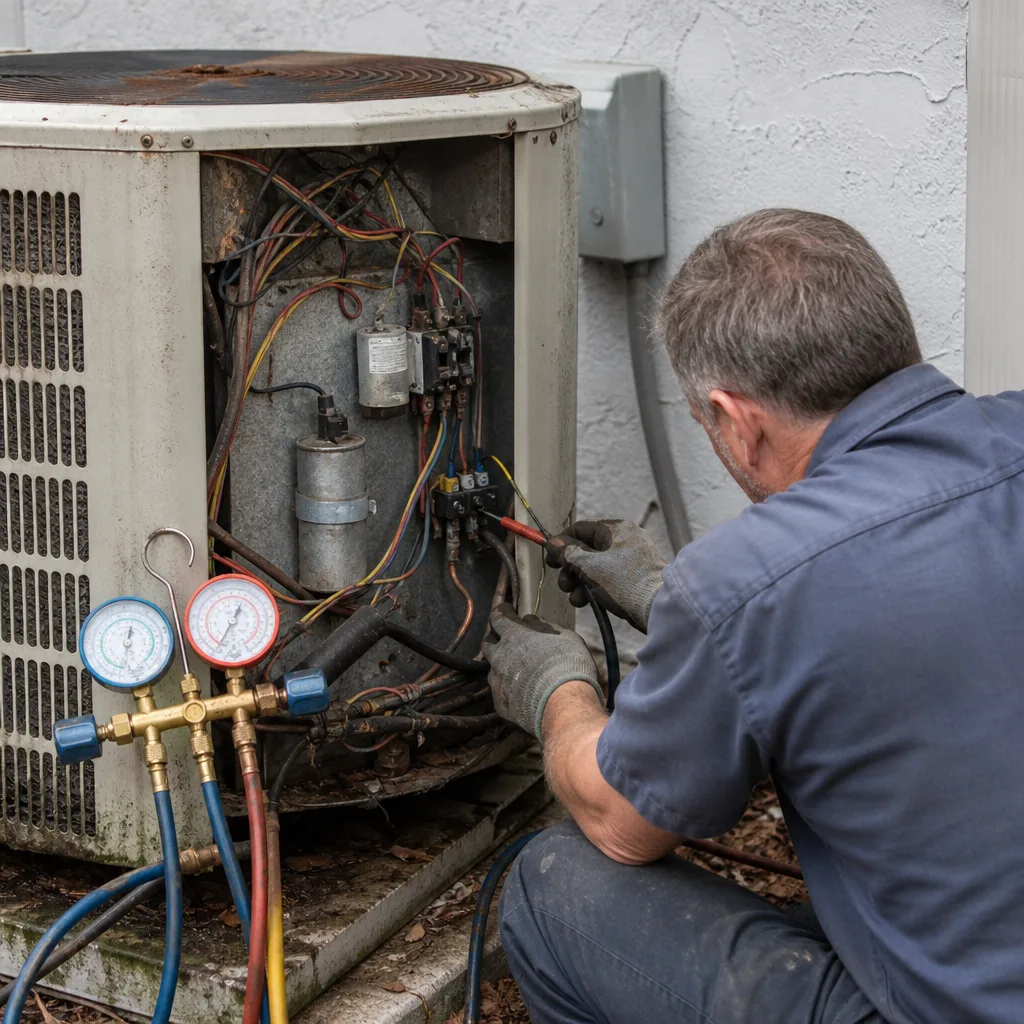 Before
 After
 Before
 After
 Before
 After
When to Call a Professional
Some brand and equipment decisions genuinely warrant a professional’s eye rather than a self-guided checklist. Call us when you’re comparing quotes from two contractors and want to know whether the warranty structures they’ve described are equivalent, when you’re weighing a partial replacement of just the condenser or air handler, or when a premium-tier system is being recommended and you want to know whether the extra cost is justified for your home’s runtime. We also want to hear from you when your current system has failed and the repair-versus-replace decision is genuinely close, since that’s where an honest recommendation matters most.
AC Repair Gainesville offers free estimates in Gainesville, so there’s no reason to guess. Call (844) 223-9427 to talk through brand options, warranty coverage, or repair-versus-replace decisions. We answer 24/7, with fast dispatch from 7am to 7pm, Sunday through Friday.
Frequently Asked Questions
There isn’t a single best brand for every Gainesville home; the best choice is the brand a certified local technician can service and support reliably. Carrier, Trane, Lennox, Goodman, and Rheem all make solid residential equipment, and the deciding factor is usually local certification density and parts availability rather than national rankings. Call (844) 223-9427 for an honest brand recommendation based on your home, and estimates are free.
Installation quality usually matters more than the brand on the label. A well-installed mid-tier system frequently outperforms and outlasts a poorly installed premium system because correct sizing, load calculation, and refrigerant charge are what the equipment actually depends on. Brand still matters for warranty support and parts, but installation is the bigger variable. Call (844) 223-9427 to discuss how both factors apply to your replacement.
Sometimes yes, sometimes no, and the manufacturer’s match list is the determining factor. If the new condenser and existing air handler appear together on the manufacturer’s published equipment match list, the combination is acceptable; if they don’t, you risk efficiency loss and warranty complications. Call (844) 223-9427 and we’ll look up the match before you commit, and estimates are free.
Premium brands with variable-speed compressors and dedicated dehumidification modes can genuinely improve comfort in Gainesville’s humid climate, especially in homes with uneven room-to-room temperatures. That said, correct sizing and setup do most of the work; a well-installed mid-tier system handles humidity well too. Call (844) 223-9427 to talk through whether premium features are worth it for your home.
The base warranty is what you get automatically with any new system, while the registered warranty is an extended version that requires the installer to register the equipment with the manufacturer. Registration typically depends on the installation meeting the manufacturer’s specifications. Not all installers register automatically, so it’s worth asking. Call (844) 223-9427 and we can explain the coverage structure on the brands we work with; estimates are free.
We’re certified to work on nine of the most widely installed residential HVAC brands, including Carrier, Trane, Lennox, Goodman, Rheem, York, Daikin, Bryant, and American Standard. That multi-brand coverage means you don’t hit a “we don’t service that brand” dead end when your existing equipment needs repair. Call (844) 223-9427 to confirm coverage on your specific system.
The Bottom Line
Picking an HVAC brand in Gainesville is really two decisions: which brand best matches your home and budget, and which locally certified contractor can install and service it well. Prioritize local certification density and parts availability over national rankings, weigh variable-speed and dehumidification features against your actual comfort needs, and confirm the warranty structure and installation requirements before you commit. A premium brand installed correctly is worth the money in a humid home with uneven temperatures; a mid-tier brand installed correctly is a smarter buy in a well-insulated home with a modest load. Either way, the contractor matters as much as the label, and the written estimate sets the final price.
If you’re weighing a replacement or comparing brand quotes, call (844) 223-9427 for a free estimate. We answer 24/7, and fast dispatch runs from 7am to 7pm, Sunday through Friday.
Written by the team at AC Repair Gainesville.