
Last updated November 15, 2026
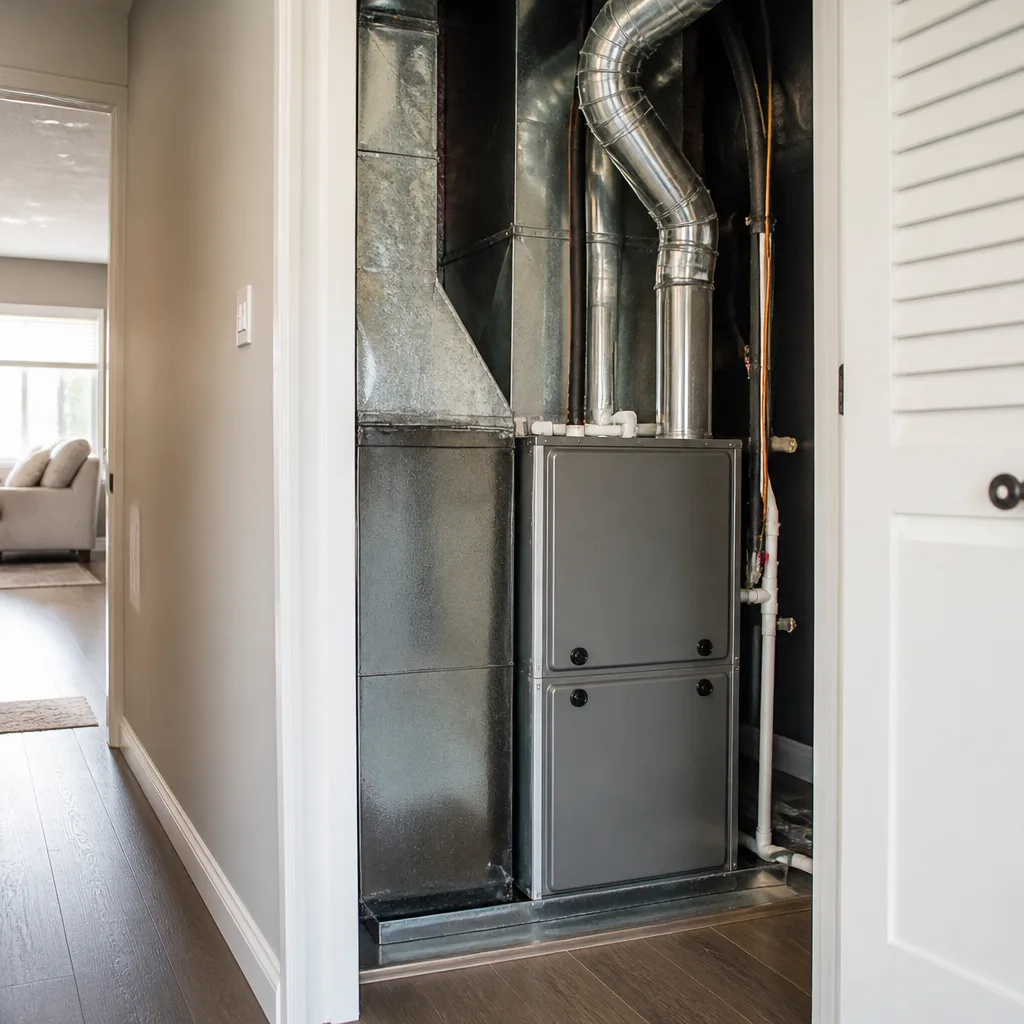 Furnace & heating
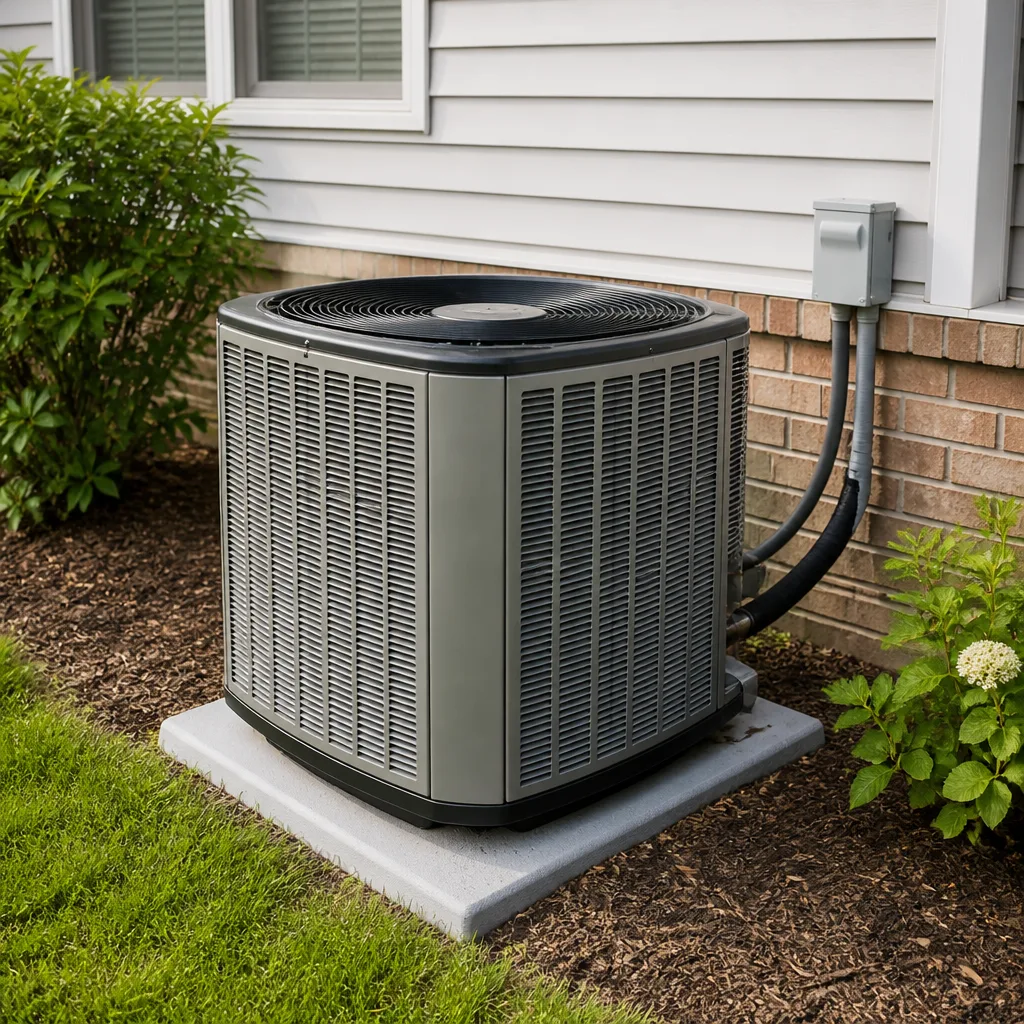 AC repair
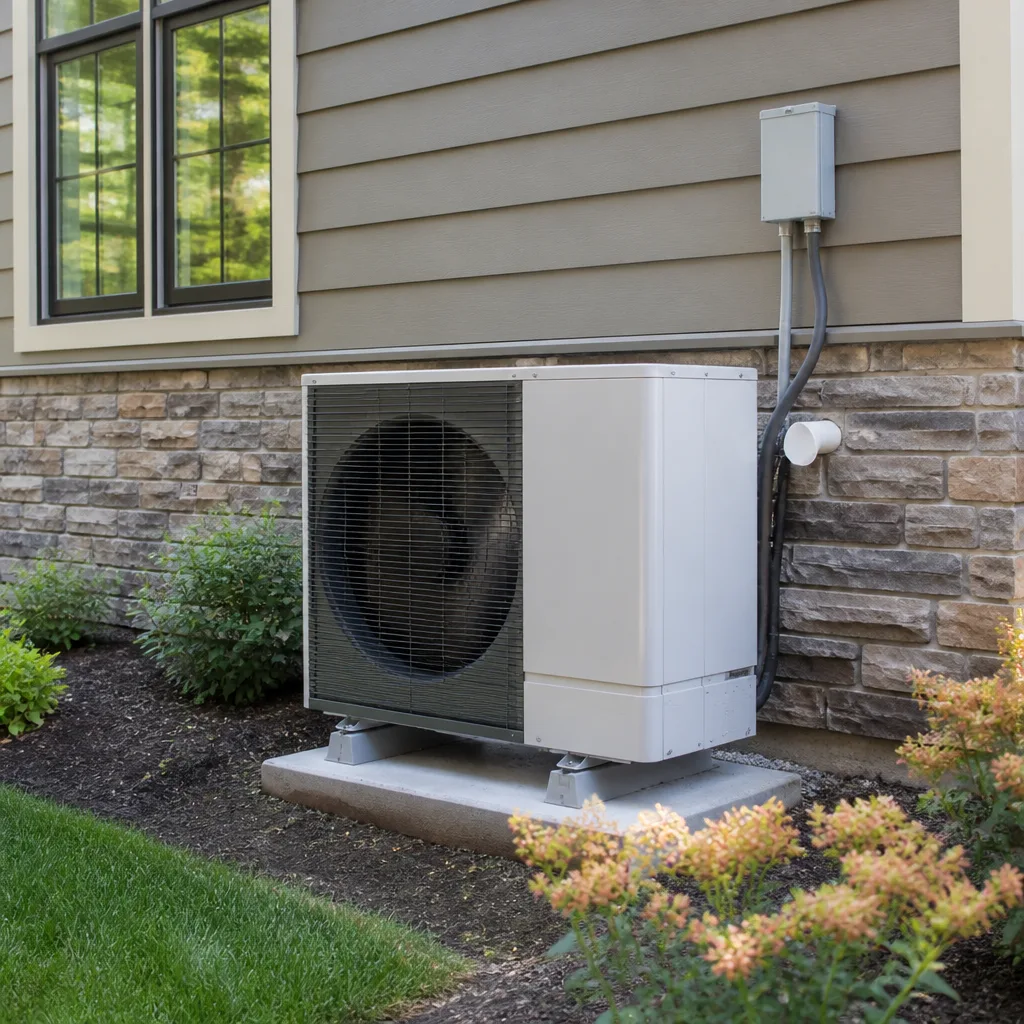 Heat pumps
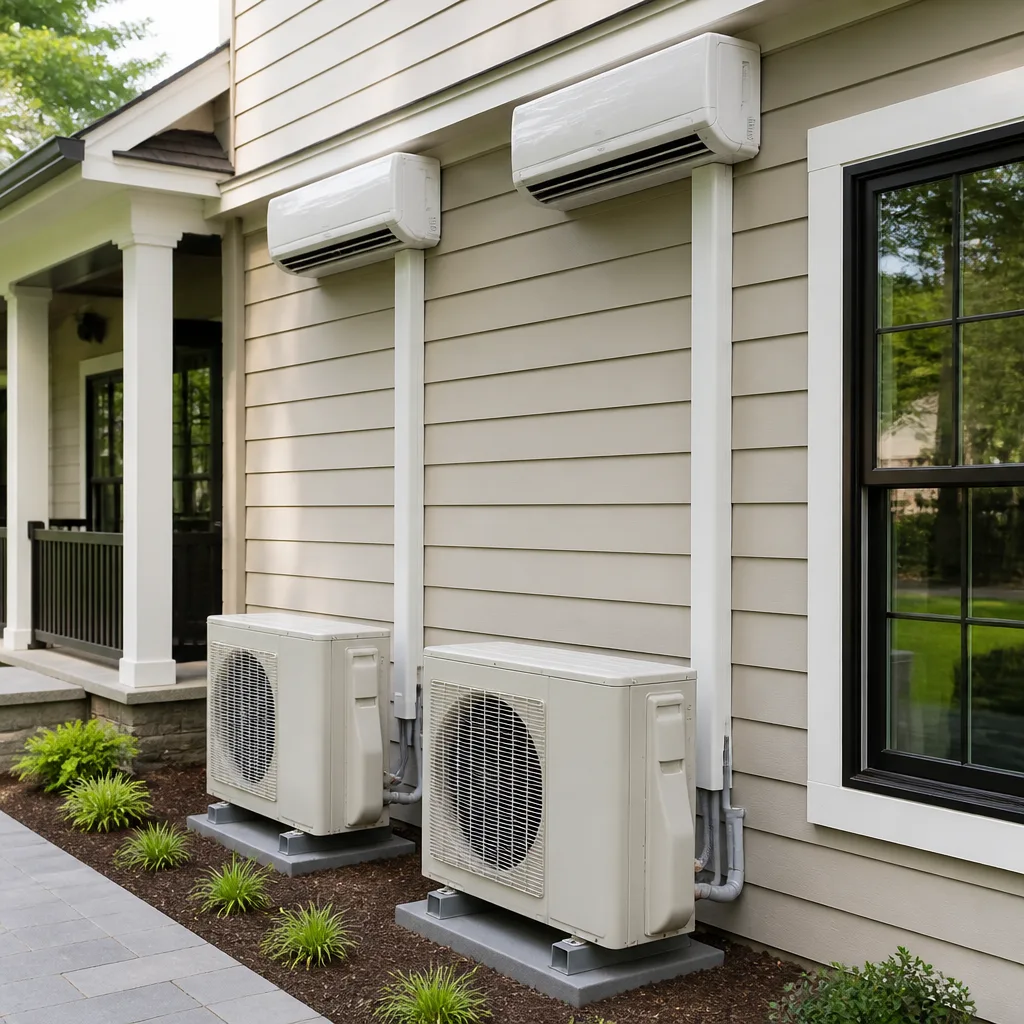 Ductless mini splits
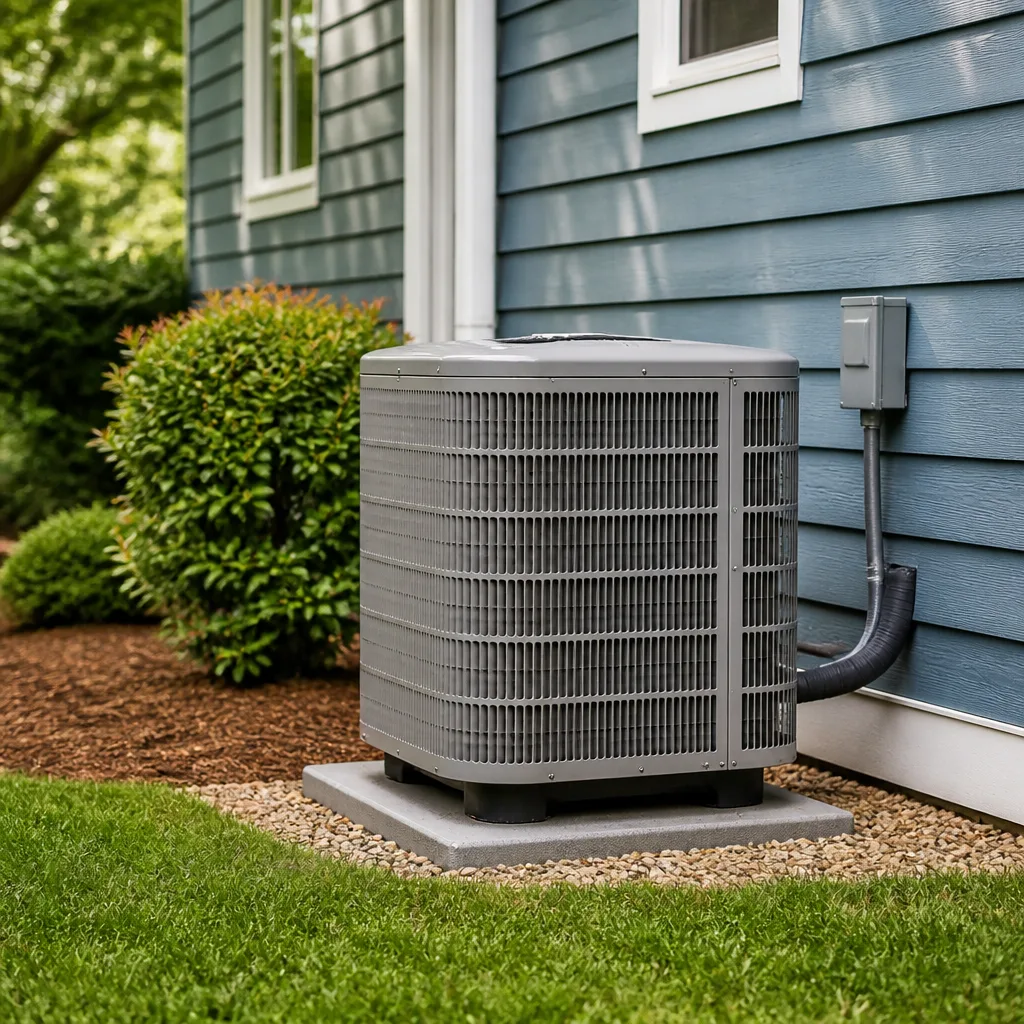 Carrier
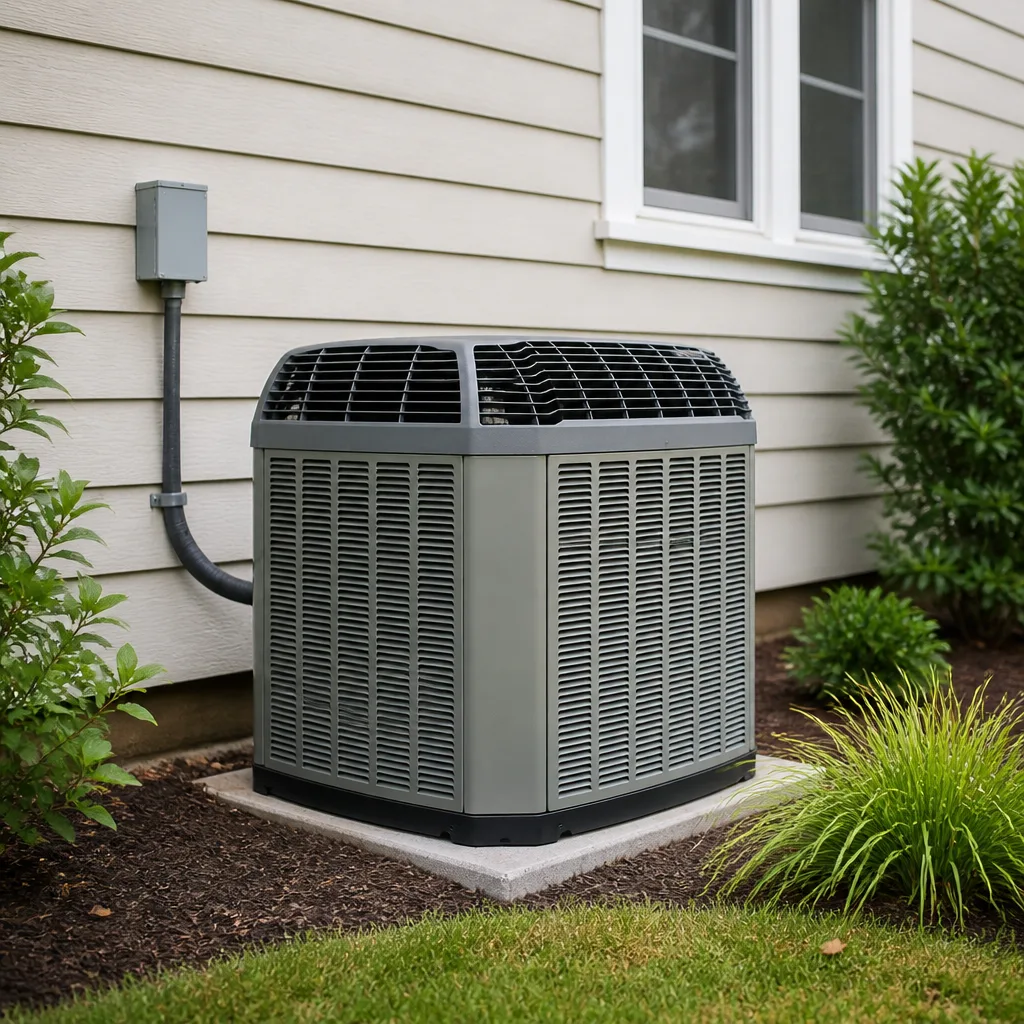 Trane
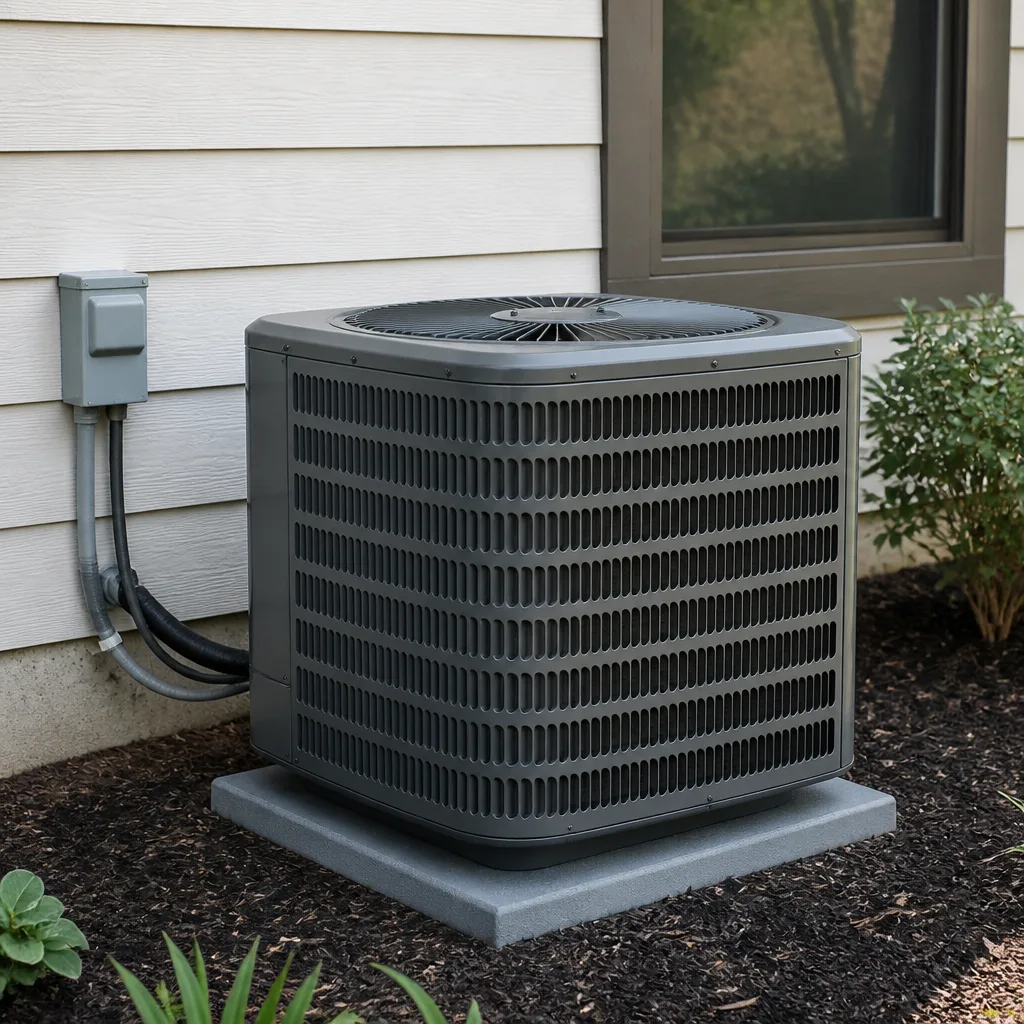 Goodman
Seasonal tune-up and full diagnostic on your Carrier, Trane, or Goodman system - readings shown to you before any repair is proposed
Diagnosis first, numbers second - you approve the repair price before a single part goes in.
Get your free estimateThe Complete Furnace Replacement Guide for Gainesville Homeowners
Most furnace-buying advice is written for someone shoveling a driveway in January. Gainesville isn’t that place. Our winters are short and gentle, the heat runs for roughly two months of the year, and the equipment question here is really a cooling question wearing a heating hat. That changes almost everything about which furnace specs are worth your money. In this guide we’ll walk through how to actually calculate payback on a high-efficiency unit given Gainesville’s low run hours, why oversizing is the most common and most expensive mistake we see, how to weigh a furnace replacement against a heat pump conversion, what Alachua County expects during permitting, and which brands have real parts depth in this market. No sales pitch. Just the math, in plain terms.
Quick Answer
A furnace replacement in Gainesville usually means choosing between a standard 80% AFUE unit and a high-efficiency model, sizing it correctly for a mild-winter home that runs heat only about 60 days a year, and deciding whether a heat pump conversion makes more financial sense than a straight furnace swap. For most homes here, correct sizing and a solid install matter more than chasing the highest efficiency rating. Expect the work to require a permit through Alachua County, and expect the written estimate to set the final price before any equipment is ordered.
Styles & brands we work with
- AC repair
- Furnace & heating
- Heat pumps
- Ductless mini splits
- Carrier
- Trane
- Goodman
Table of Contents
- Why the Math for a Furnace Replacement in Gainesville Is Different
- AFUE Ratings and Real Payback in Florida
- Sizing a Furnace for a Florida Home
- Furnace Replacement vs. Heat Pump Conversion
- Permits and Inspection in Alachua County
- Brand Availability and Parts Support in Gainesville
- What a Typical Replacement Looks Like
- What Furnace Replacement Costs in Gainesville
Why the Math for a Furnace Replacement in Gainesville Is Different
Gainesville sits in a climate where heating is a seasonal side job, not the main event. Cooling dominates the year. Heating degree days here are a fraction of what a Midwestern or Mid-Atlantic homeowner faces, which means the furnace in your home simply logs far fewer run hours over its life. That single difference rewires the entire replacement decision.
In a cold climate, a high-efficiency furnace earns its premium back through years of heavy use. In Gainesville, the same unit runs for a small slice of the calendar, so the efficiency gain shows up more slowly on the gas bill. That doesn’t make high-efficiency units pointless. It makes them a question of payback rather than an automatic upgrade.
What actually drives comfort and cost here:
- Run hours, not nameplate ratings. A furnace that runs roughly 60 days a year has a different lifetime cost profile than one running 180 days.
- Cooling performance. Because you cool far more than you heat, an install that protects airflow and humidity control for the AC side often matters more than the furnace’s AFUE number.
- Equipment pairing. The furnace and the coil above it work as a system. A mismatched pairing can quietly hurt cooling efficiency.
- Duct condition. In a mild climate, duct losses are felt more during cooling season, which is most of the year in Gainesville.
When we look at a system, we’re weighing all of that together, because a furnace decision made in isolation tends to be the wrong one here. If your cooling equipment is also aging, it’s worth looking at the whole picture, including what AC installation would involve alongside the heating side.
AFUE Ratings and Real Payback in Florida
AFUE is the efficiency rating for a furnace, and the common assumption is that higher is always better. In Gainesville, that assumption needs a caveat. Above 80% AFUE, the returns diminish because your run hours are limited. The premium you pay for a high-efficiency unit takes longer to earn back when the furnace only works two months out of the year.
Here’s how we think through payback, in plain steps:
- Estimate your annual heating run hours. For a Gainesville home, count the days you actually run heat and multiply by typical daily hours.
- Multiply run hours by the furnace’s input and the efficiency difference. The gap between an 80% and a higher-AFUE unit is the fuel saved per run hour.
- Convert to dollars using your gas rate. That gives you the annual savings estimate.
- Divide the price premium by annual savings. The result is your payback period in years.
- Compare that to how long you expect to stay in the home. If the payback runs long relative to your plans, the standard efficiency unit wins on value.
What this means in practice: a high-efficiency furnace can still be the right call for a homeowner planning to stay put for many years, or for someone who values the quieter operation and different venting of certain models. But it is not an automatic upgrade here, and any recommendation that skips the run-hour math is guessing. The honest answer is often an 80% unit sized and installed well, especially when the budget is better spent on the cooling side of the system.
We run this calculation with homeowners rather than for them, because the right answer depends on your gas rate, your plans, and your home. Numbers come from your own situation, not a brochure.
Sizing a Furnace for a Florida Home
Oversizing is the dominant mistake we see in Gainesville furnace replacements, and it costs homeowners in ways they don’t expect. A furnace that’s too large heats the space quickly and then shuts off, cycling on and off instead of running steadily. Short cycling wears parts, creates uneven temperatures, and on the cooling side it can leave humidity control wanting because the system doesn’t run long enough to pull moisture out of the air.
Proper sizing starts with a load calculation, not a rule of thumb. Square footage alone tells you very little about how a Gainesville home holds heat, because window area, insulation, attic ventilation, and sun exposure all matter. A house on a shaded lot behaves differently from one taking full afternoon sun.
What good sizing looks like:
- A room-by-room load calculation. Not a guess based on the old unit’s label, since the previous install may have been oversized too.
- Attention to the cooling load. Because cooling dominates your year, the furnace and coil should be selected together so airflow supports dehumidification.
- Duct review. A correctly sized furnace still underperforms if the ducts can’t move the air it produces.
- Clearance and venting check. Where the unit sits and how it vents affects which models fit your space.
If a quote arrives without a load calculation behind it, that’s the first thing to question. Sizing is the foundation every other decision rests on, and getting it wrong here means paying twice: once for the equipment and again for the discomfort.
Furnace Replacement vs. Heat Pump Conversion
Because Gainesville is cooling-dominant, a heat pump conversion deserves real consideration anytime a furnace is on the table. A heat pump handles both heating and cooling in one system, and in a climate with mild winters it can carry the heating load for most of the year without needing a gas furnace backup.
The decision usually comes down to a few practical factors:
- Your heating-to-cooling ratio. The more your year is cooling, the more a heat pump’s dual role makes sense.
- Existing gas infrastructure. If you already have gas service and a working furnace, a straight replacement keeps that setup intact.
- Age of the cooling equipment. If your AC is near the end of its life, replacing heat and cooling together often avoids paying twice for the shared parts.
- Budget and staging. A furnace-only replacement can be the lower upfront cost; a heat pump conversion is a bigger project with a bigger scope.
We offer both furnace replacement and cooling work under one roof, so we can give you a straight comparison rather than steering you toward whichever project is larger. If you want to understand what the cooling side of a conversion involves, our AC repair in Gainesville page covers how we approach that equipment. The point is to size the decision to your home, not to sell a category.
Permits and Inspection in Alachua County
Furnace replacement is permitted work in Alachua County, and the process matters more than homeowners often expect. A replacement isn’t just a swap of a box: it involves gas connections, venting, and ensuring the installation meets current code. Most cities and counties require a permit for this kind of work, so the right first move is to confirm the requirement with your local building department before work starts.
What a proper permitted replacement typically involves:
- Permit application. Filed with the local authority before work begins, listing the equipment and scope.
- Installation to code. Gas piping, venting, clearances, and electrical connections all done to current requirements.
- Inspection. A code official reviews the work, often at more than one stage depending on the scope.
- Sign-off. The completed, inspected work is documented, which protects you if you ever sell the home.
We handle permitting as part of the job, because a replacement done without it can create problems down the line. It also keeps the installation accountable to a standard rather than to a handshake. If you’re comparing quotes in Gainesville, ask each one whether the permit is included and who pulls it. The answer tells you a lot about how the job will go.
Brand Availability and Parts Support in Gainesville
Not every national furnace brand has the same depth of local parts support in the Gainesville market, and that gap matters when something needs fixing. A brand that’s widely installed here tends to have better availability of common components, which shortens repair wait times. A brand that’s rare locally can mean longer waits and fewer technicians familiar with its quirks.
We work on equipment from nine major manufacturers, including Rheem, York, Daikin, and Bryant alongside Carrier, Trane, Lennox, Goodman, and American Standard. That range means we’re not locked into one brand’s ecosystem, and you won’t hit a “we don’t service that brand” dead end when you call.
What that multi-brand capability does for your replacement decision:
- Honest tier matching. We can recommend a value-tier unit or a premium one based on your budget and plans, because we’re not tied to a single manufacturer.
- Parts familiarity. Working across brands means we know which common components are readily available here and which can cause delays.
- Repair continuity. The same company that installs your system can service it afterward, so system history stays in one place.
Brand choice matters less than fit and support, in our view. A well-sized Goodman or Rheem installed correctly will outperform a premium brand installed badly. That’s why we lead with the sizing and the install, then match the brand to your home and your budget.
What a Typical Replacement Looks Like
A furnace replacement in Gainesville follows a predictable arc, and knowing the steps helps you plan. The goal is to size the job correctly, order the right equipment, install it to code, and hand it back to you running properly.
Here’s the usual sequence:
- Assessment and load calculation. We look at your current system, your home’s construction, and run the sizing math.
- Written estimate. You get a fixed price for the scope, with the equipment and work spelled out. The written estimate sets the final price.
- Permit filing. We pull the Alachua County permit before scheduling the install.
- Equipment order and scheduling. Replacement is a scheduled project, not a same-day repair, because the unit is ordered to fit your home.
- Removal and installation. The old unit comes out, the new one goes in with gas, venting, and electrical connections to code.
- Inspection and commissioning. The work is inspected, then we verify airflow and operation before we leave.
If your furnace has failed outright and you’re in the middle of a cold snap, you may need furnace repair to get through until the replacement can be scheduled. We answer 24/7. Fast dispatch from 7am to 7pm, Sunday through Friday, so a call about a failed furnace gets a real response rather than a voicemail.
What Furnace Replacement Costs in Gainesville
Furnace replacement pricing depends on the equipment tier, the size your home needs, and the scope of the install. We price per job by written estimate, so the numbers below are typical ranges to help you plan, not a quote. The written estimate sets the final price.
| Line Item | Typical Range |
|---|---|
| Standard 80% AFUE furnace, installed | Entry to mid range for your home’s size |
| High-efficiency furnace, installed | Higher upfront, longer payback here |
| Permit and inspection | Included in the written estimate |
| Venting or duct adjustments | Varies with the home |
We don’t publish a single number because a quote that ignores your home’s size and layout isn’t useful. What we can promise is a written fixed price before the work starts, so there are no surprises. Estimates are free.
Common Mistakes to Avoid
- Buying on AFUE alone. Chasing the highest efficiency rating without running the payback math can mean paying a premium you won’t earn back in Gainesville’s short heating season.
- Oversizing the furnace. A unit that’s too large short-cycles and can hurt humidity control during the cooling months that dominate your year.
- Skipping the load calculation. Any quote that doesn’t include sizing math is guessing, and guessing wrong is expensive in this climate.
- Ignoring the cooling side. Because you cool far more than you heat, treating the furnace in isolation can leave a mismatched system behind.
- Skipping the permit. Unpermitted work can create problems at resale and leaves the install unaccountable to code.
- Choosing a rare brand locally. A brand with thin parts support in the Gainesville market can mean longer repair waits down the line.
- Not asking about repair options first. Sometimes a repair is the honest call. Getting a straight comparison before committing to replacement saves real money.
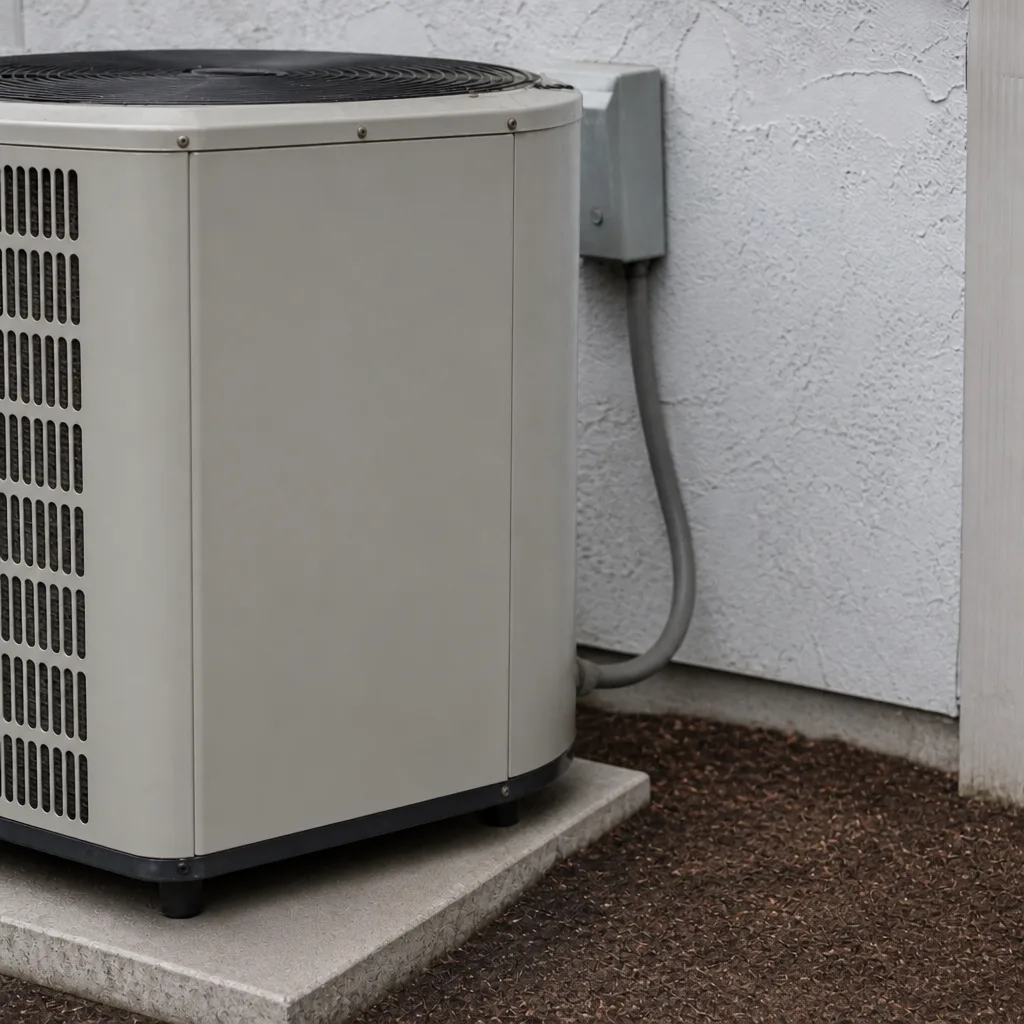
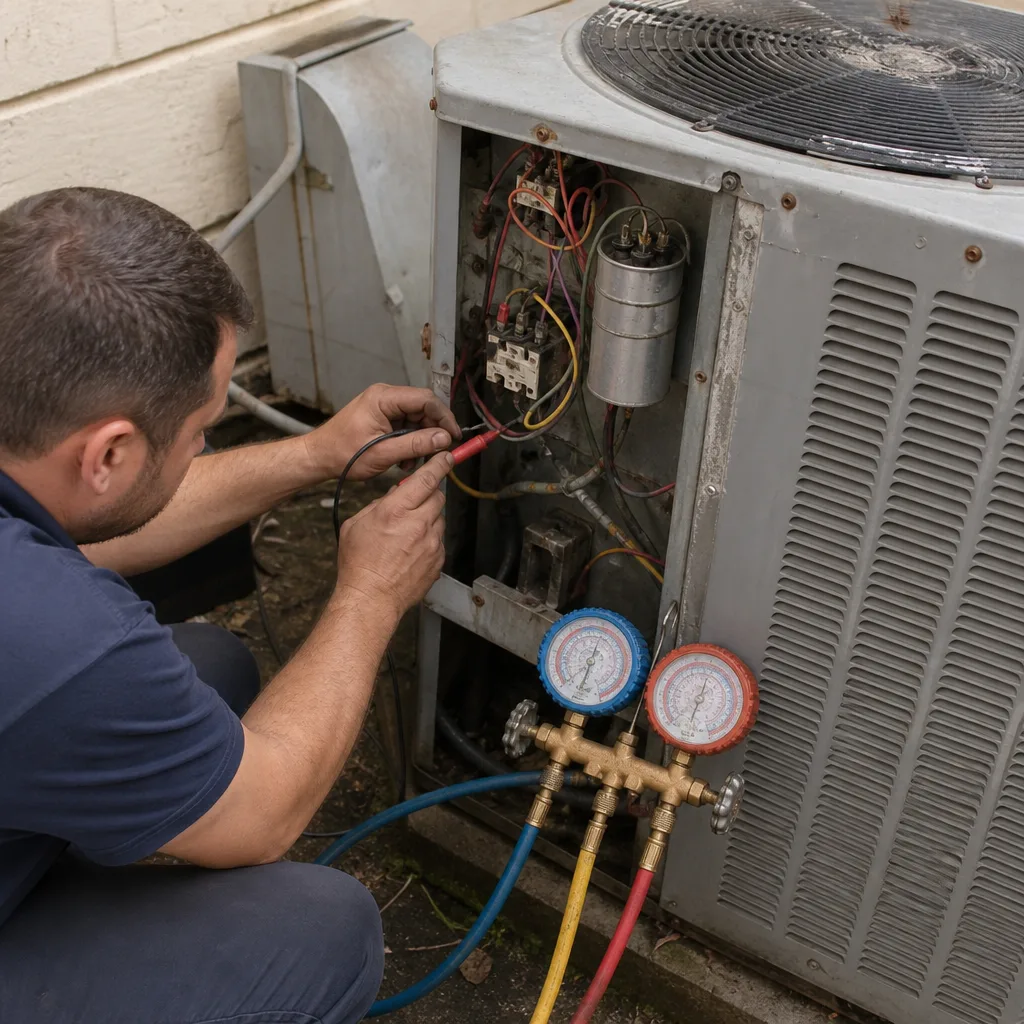
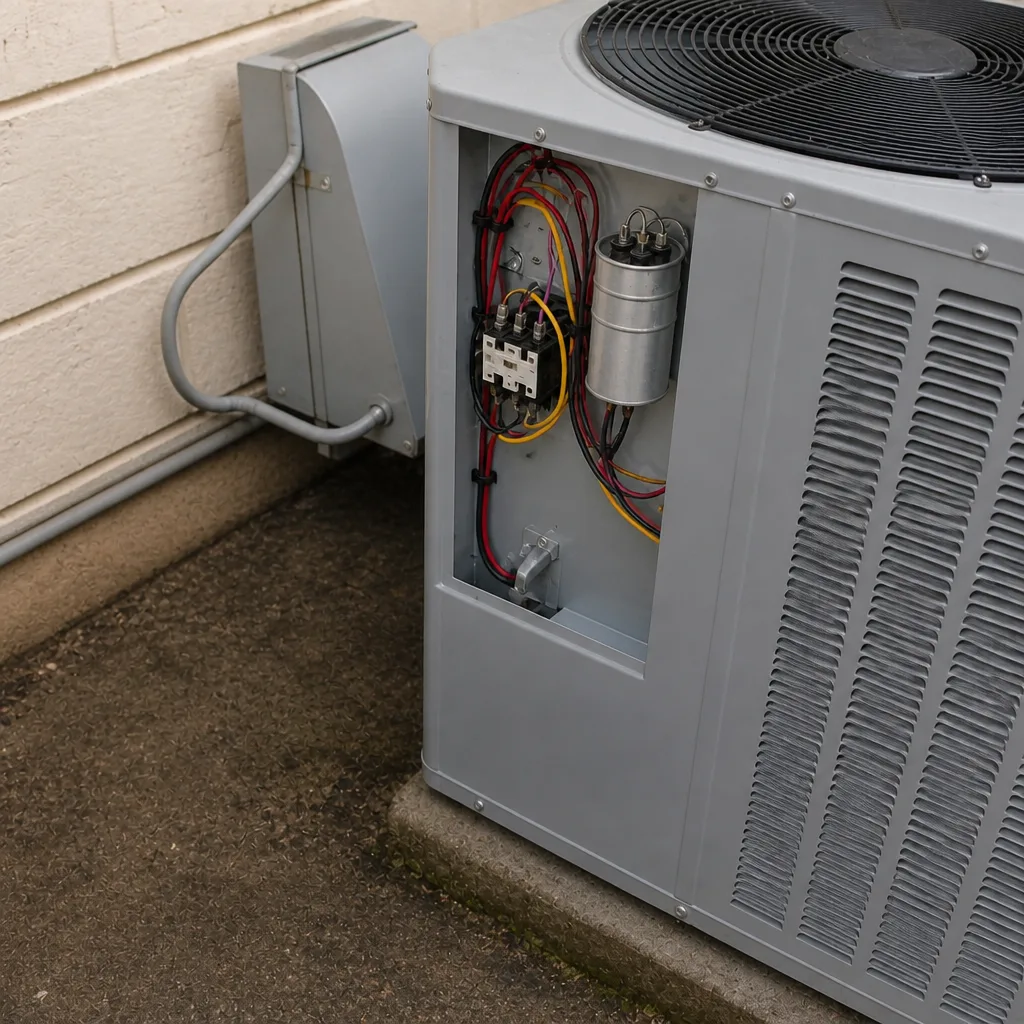
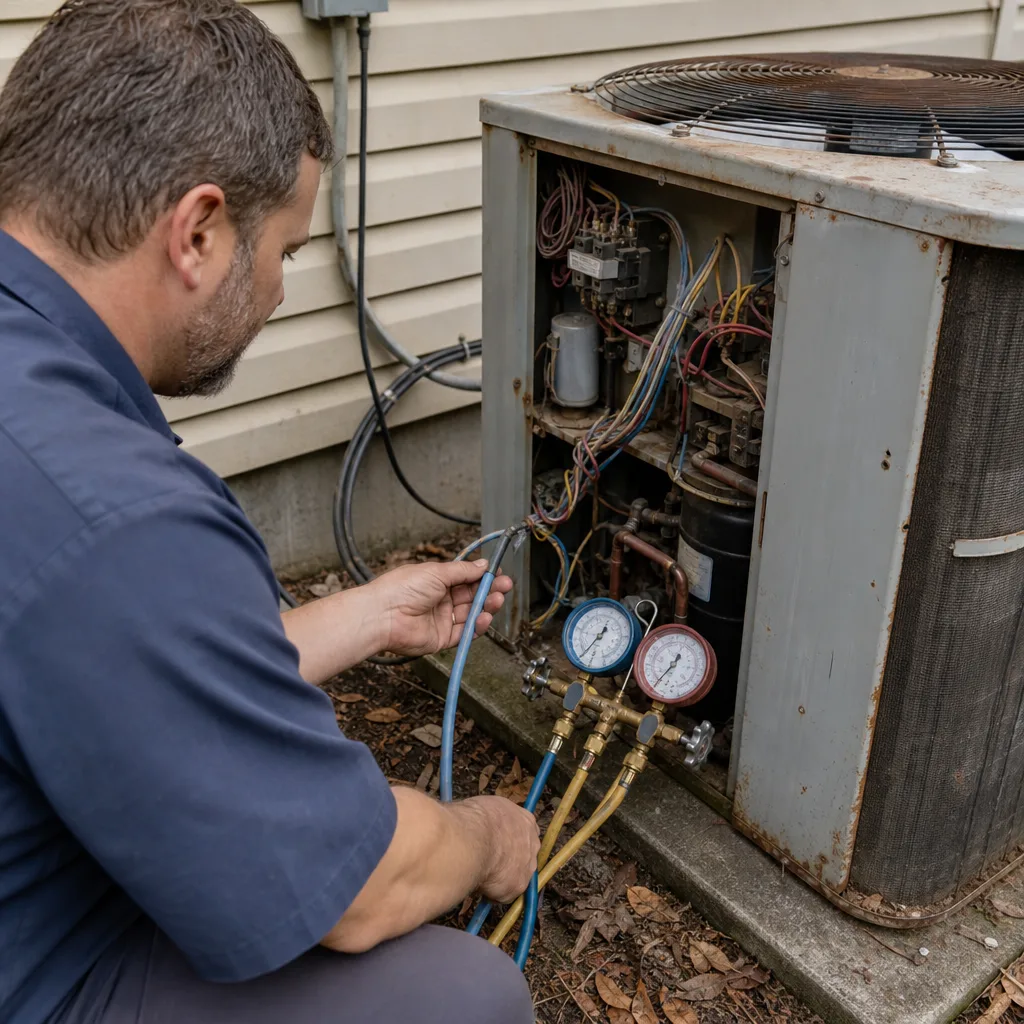
See the difference
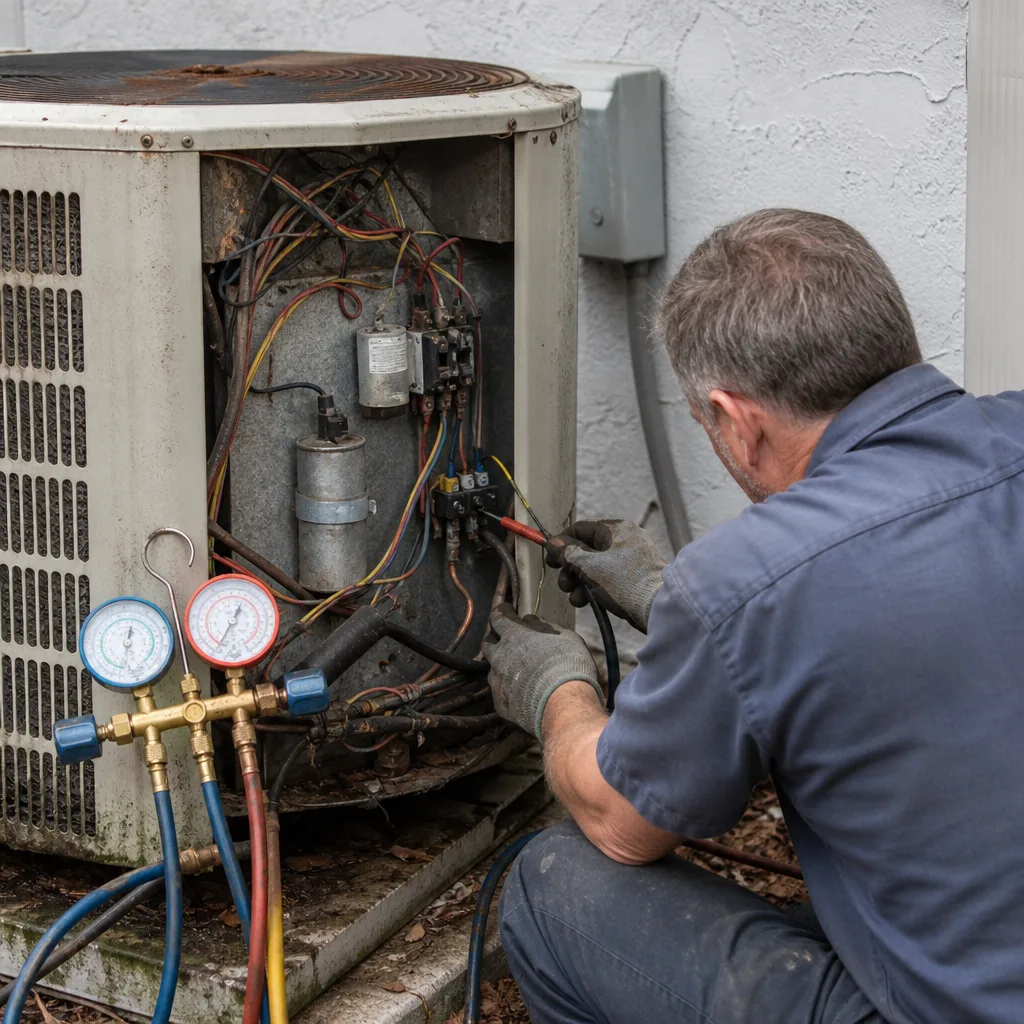 Before
 After
 Before
 After
 Before
 After
When to Call a Professional
Furnace work involves gas connections and venting, and that’s not a place for a homeowner with a wrench. If you smell gas, hear unusual noises from the unit, notice a yellow or flickering flame rather than a steady blue one, or your furnace has stopped heating altogether, call a trained professional rather than opening the unit. These are signs that need hands-on diagnosis, not a guess. The same goes for any decision about replacement versus repair: the honest answer comes from looking at the equipment and running the math, not from a phone script. At AC Repair Gainesville, we handle furnace replacement, repair, and cooling work under one roof, and we’ll tell you plainly whether a repair or a replacement actually makes sense for your home. We offer free estimates in Gainesville. Call (844) 223-9427. We answer 24/7. Fast dispatch from 7am to 7pm, Sunday through Friday.
Frequently Asked Questions
Furnace replacement in Gainesville is priced per job by written estimate, so the final cost depends on your home’s size, the equipment tier, and any venting or duct work needed. We give a fixed written price before the work starts, and estimates are free. Call (844) 223-9427 for an exact quote.
It can be, but it depends on payback math rather than the rating alone. Because Gainesville’s heating season is short, a high-efficiency unit takes longer to earn back its premium than it would in a colder climate. We run the calculation with you so you can compare it to a standard 80% unit. Call (844) 223-9427 to talk through your options.
The answer depends on the age and condition of the unit and whether the cost of the repair makes sense against a replacement. We offer both repair and replacement side by side, so we can give you a straight comparison instead of defaulting to one. Call (844) 223-9427 and we’ll help you decide.
Most cities and counties require a permit for furnace replacement, and Alachua County is no exception, so confirm the requirement with the local building department. A permitted job includes an inspection and sign-off, which protects you if you ever sell the home. We handle permitting as part of the work.
A replacement is a scheduled project rather than a same-day repair, because the equipment is ordered to fit your home and the permit has to be filed. The install itself is typically a day, but the full timeline runs from assessment through inspection. Call (844) 223-9427 and we’ll map out your schedule.
We work on nine major manufacturers, including Rheem, York, Daikin, and Bryant, along with Carrier, Trane, Lennox, Goodman, and American Standard. That means no “we don’t service that brand” dead end. Call (844) 223-9427 to confirm your system.
The Bottom Line
Furnace replacement in Gainesville is a different decision than it is in a cold-weather city, and the national guides get it wrong because they assume heavy heating use. Here, the heat runs for a short season, which means correct sizing and install quality matter more than chasing the highest AFUE rating, and payback math should drive the efficiency choice. Weigh a straight furnace replacement against a heat pump conversion given your cooling-to-heating ratio, plan for an Alachua County permit and inspection, and pick a brand with real parts support here. And get a straight comparison on repair versus replace before you commit. We handle heating and cooling under one team, so the answer comes from your home, not a sales target. For a free estimate, call (844) 223-9427. We answer 24/7. Fast dispatch from 7am to 7pm, Sunday through Friday.
Written by the team at AC Repair Gainesville.