
Last updated November 15, 2026
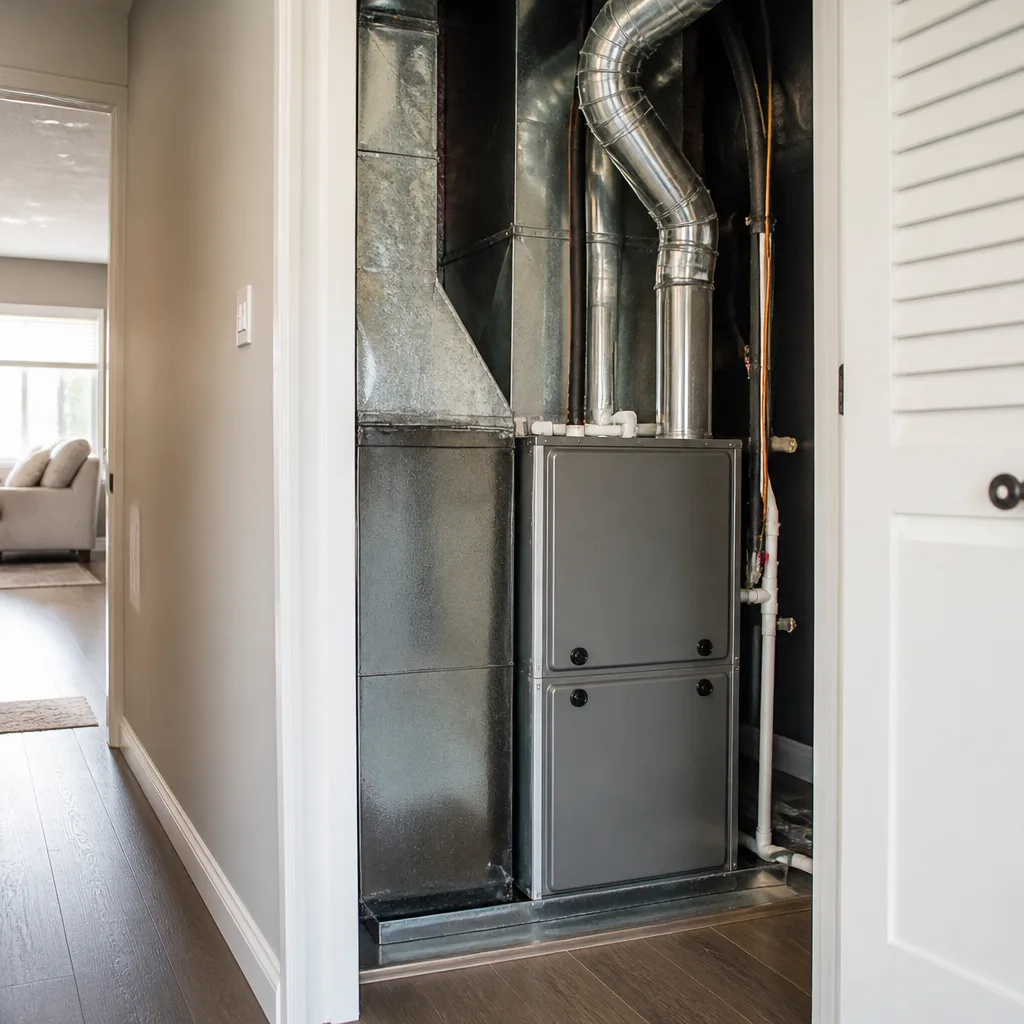 Furnace & heating
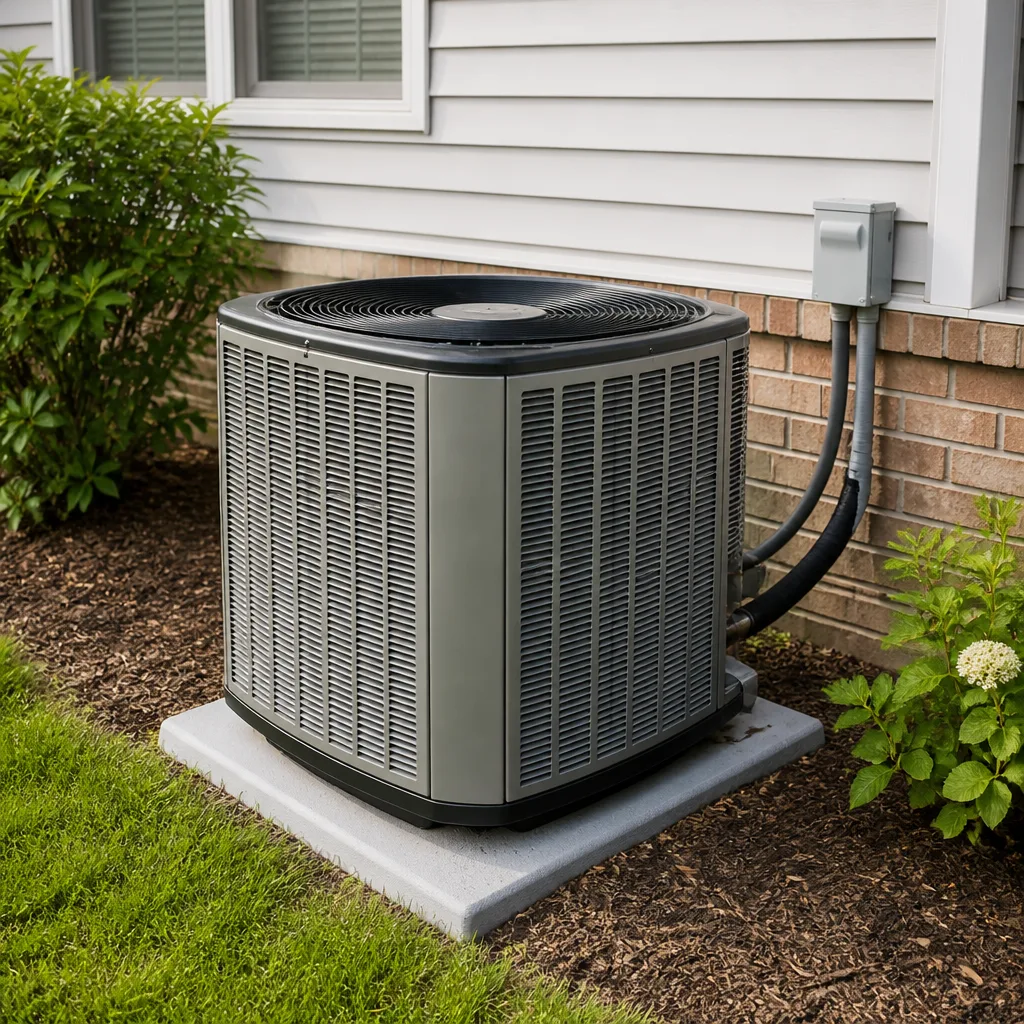 AC repair
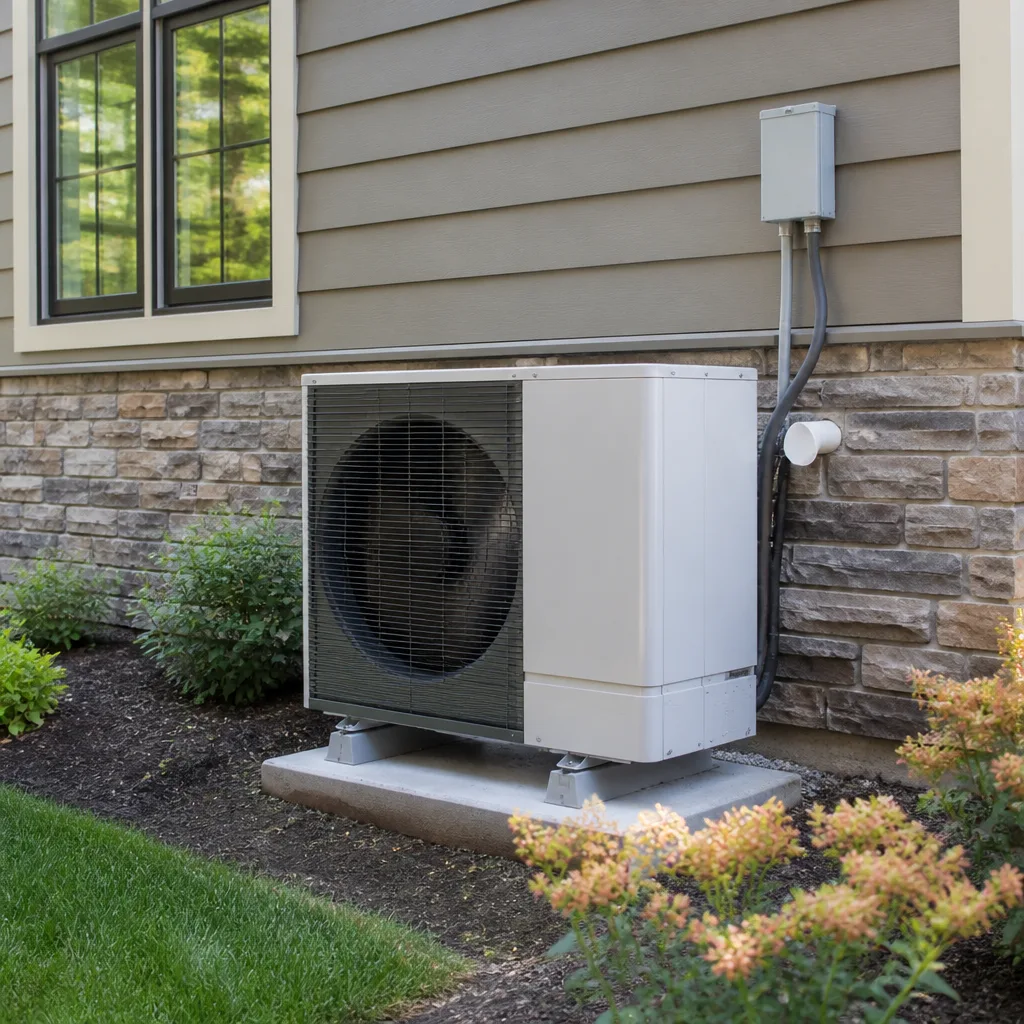 Heat pumps
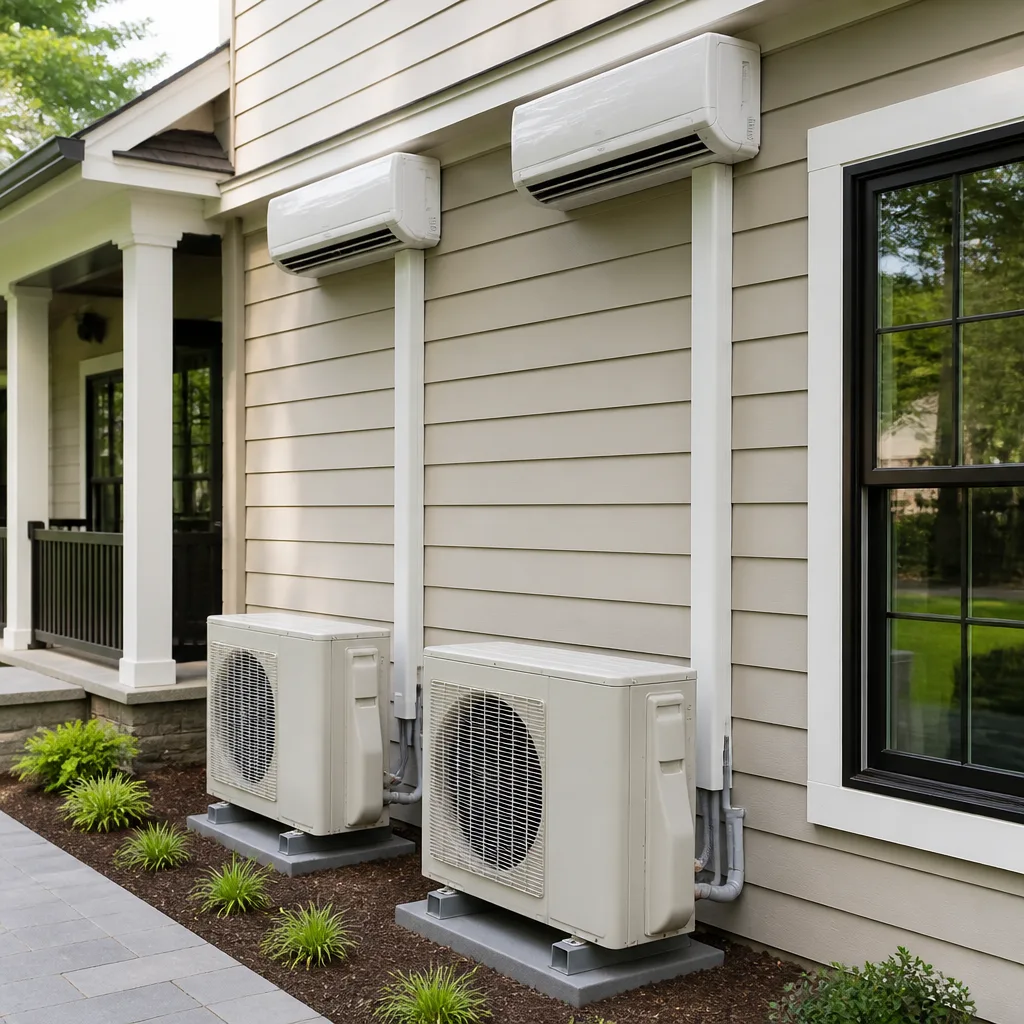 Ductless mini splits
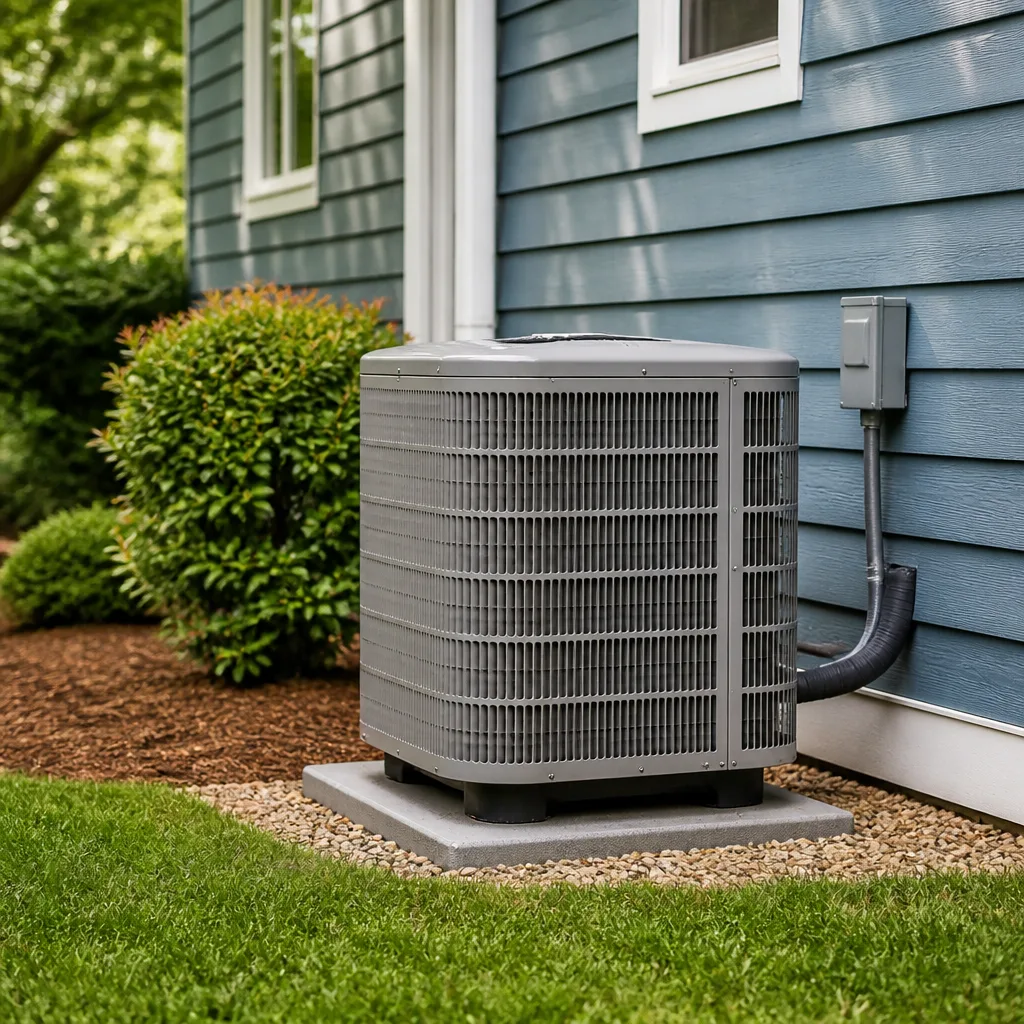 Carrier
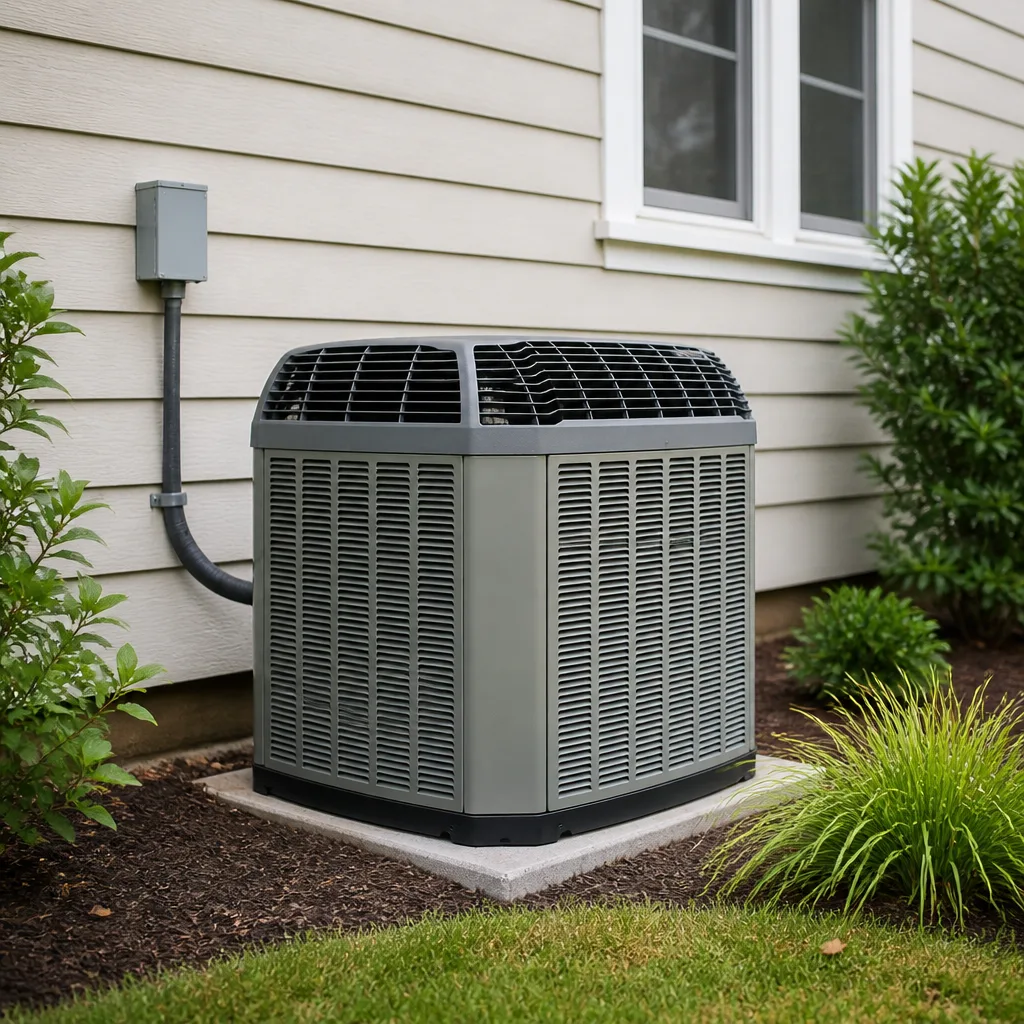 Trane
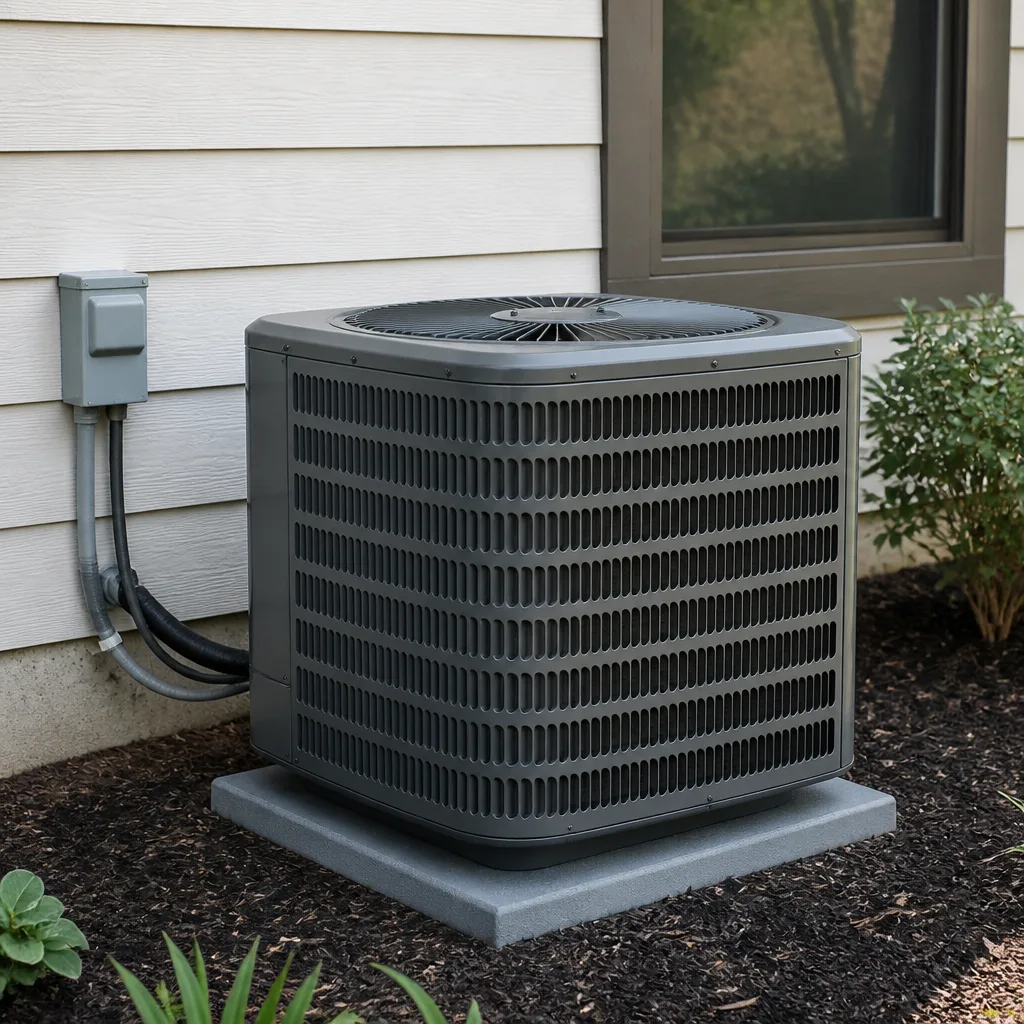 Goodman
Seasonal tune-up and full diagnostic on your Carrier, Trane, or Goodman system - readings shown to you before any repair is proposed
Diagnosis first, numbers second - you approve the repair price before a single part goes in.
Get your free estimateFurnace Replacement Maintenance Checklist for Gainesville Homeowners
A gas furnace that runs 400 hours a year in Minnesota runs maybe 40 hours a year in Gainesville. You’d think that math means the equipment lasts ten times longer here. It doesn’t. Dormancy has its own failure modes, and most furnace checklists were written for cold climates where the system cycles constantly and keeps itself dry. In Gainesville, a furnace sits idle through humid months, then gets asked to fire on the first cold front. That idle stretch is where heat exchangers corrode, igniters gum up, and blower capacitors quietly die. This guide covers what to inspect, when to start, and how to decide whether replacing a furnace even makes financial sense in a climate this mild.
Quick Answer
A furnace replacement checklist for Gainesville should prioritize dormancy-related failures, not runtime wear. Before the first cold front, check the heat exchanger for rust and scale, test the igniter and flame sensor, inspect the blower capacitor and motor, verify the air handler and ductwork condition, and confirm permit requirements with your county. If the heat exchanger is compromised or the unit is over 15 years old with repeated repairs, replacement usually makes more sense than another fix.
Styles & brands we work with
- AC repair
- Furnace & heating
- Heat pumps
- Ductless mini splits
- Carrier
- Trane
- Goodman
Table of Contents
- Why Furnaces Fail Differently in Gainesville
- The Correct Pre-Season Startup Sequence
- The Replacement Checklist: What to Inspect
- Air Handler and Ductwork: Check These First
- Does Replacement Make Financial Sense Here?
- Florida Permitting for Furnace Replacement
- Timing Your Replacement Around Gainesville Weather
- Matching Equipment to the Mild-Climate Reality
Why Furnaces Fail Differently in Gainesville
Gainesville’s heating season is short and unpredictable. A furnace might run for a week in January, sit off for three weeks, run again for a few days in early February, then not fire at all until the next December. That on-off pattern is harder on equipment than steady cycling, and it exposes components that cold-climate checklists barely mention.
Here’s what dormancy does to a furnace sitting in a Florida utility closet or garage:
- Heat exchanger corrosion. Humidity in the air reacts with residual condensation and combustion byproducts on the exchanger surfaces. In a cold climate, the exchanger heats and drives off moisture regularly. In Gainesville, it may sit damp for months.
- Igniter and flame sensor degradation. Hot-surface igniters and flame sensors can oxidize or accumulate dust during long idle periods. A furnace that ran fine last January may not light on the first cold night this year.
- Blower motor capacitor failure. Capacitors are electrolytic components, and they age whether or not the motor runs. A rarely-cycled blower motor is not protected by low runtime; the capacitor can fail from age and heat alone.
- Dust and debris buildup in the burner compartment. A furnace that sits off pulls in dust from the surrounding space. When it finally fires, that debris can affect combustion.
- Pest intrusion. Gainesville’s climate supports insects and rodents year-round. Idle equipment makes a good shelter.
None of this means Gainesville furnaces fail faster than northern furnaces in absolute terms. They fail differently, and they fail at moments that are inconvenient. The checklist that follows reflects that reality.
The Correct Pre-Season Startup Sequence
Most homeowners wait until the first cold snap, flip the thermostat to heat, and listen. That’s the wrong approach. You want to find out a furnace won’t fire on a mild October afternoon, not at 9pm on the first freezing night of the year. Here’s the sequence we recommend, done once before the heating season and again if the furnace sat unused for more than a month.
- Check the air filter. Replace or clean it before anything else. A clogged filter during the first startup can stress the blower and trip the high-limit switch.
- Clear the area around the furnace. Remove stored items, paint cans, and anything blocking combustion air. Utility closets in Gainesville homes fill up over the summer.
- Inspect the flue and venting. Look for bird nests, debris, or disconnected pipe. A blocked flue is a carbon monoxide risk, so if anything looks wrong, stop and call a technician.
- Turn the thermostat to heat and set it a few degrees above room temperature. Listen for the inducer motor to start, then the igniter, then the main burner. You should hear a steady, even flame within a minute or two.
- Let it run for 10-15 minutes. Feel for warm air at a supply register. Watch for the blower to start and check that airflow is steady, not surging.
- Watch for short cycling. If the furnace shuts off before reaching the set temperature and restarts repeatedly, that’s a symptom, not normal behavior.
- Note any smell. A slight dust burn-off on first startup is normal. A persistent gas smell, or exhaust smell inside the home, means shut it down and call for furnace repair.
If the furnace passes that sequence, you’ve confirmed it will fire. That’s not the same as confirming it’s safe. A heat exchanger crack or a compromised flue won’t show up in a startup test, which is why the inspection checklist below matters more than the sound of the burners lighting.
The Replacement Checklist: What to Inspect
When a Gainesville homeowner is weighing a furnace replacement, the inspection needs to go beyond “does it still work.” The goal is to determine whether the current unit has remaining safe life, and whether the surrounding system justifies the cost of a new furnace. Use this checklist whether you’re evaluating a replacement or scheduling a pre-season service.
Safety-critical items (stop and call a professional if any fail)
- Heat exchanger integrity: visible cracks, rust-through, or scale buildup. A compromised heat exchanger can leak combustion gases into the airstream, and this is not a DIY inspection.
- Flue and venting: secure connections, proper slope, no blockage, no corrosion at the joints.
- Gas line connections and shutoff valve: no leaks, no corrosion. Gas work belongs to a licensed professional.
- Combustion air supply: adequate and unobstructed. Utility closets need ventilation.
- Carbon monoxide alarm: functional and tested, placed near sleeping areas.
Performance items
- Igniter and flame sensor: clean, intact, and reading correctly.
- Blower motor and capacitor: capacitors are a common dormancy failure; the motor should spin freely and start without hesitation.
- Burner flames: steady blue, not yellow or lifting off the burner.
- Inducer motor: quiet, no bearing noise, moving air properly.
- Thermostat calibration: the set temperature should match measured temperature within a couple of degrees.
- Condensate handling: if the furnace is a condensing unit, check the drain path for clogs.
System-wide items
- Air handler condition: rust, debris, vibration, and blower wheel cleanliness.
- Ductwork: visible tears, disconnected joints, and excessive leakage at the plenum.
- Return air path: unobstructed, properly sized.
- Filter condition and filter access.
For a homeowner in neighborhoods like Haile Plantation or the Duckpond, where homes often date from earlier decades, the ductwork findings frequently matter more than the furnace itself. We’ll get to that.
Air Handler and Ductwork: Check These First
Before committing to a furnace replacement in Gainesville, inspect the connected air handler and duct system. The furnace is only one part of a system, and it’s often the healthiest part. In our experience across Gainesville homes, we’ve seen plenty of cases where replacing the furnace without addressing the air handler or ducts would be money spent in the wrong place.
The air handler moves air for both heating and cooling. In a Gainesville home, the air handler and the AC coil run for most of the year, while the furnace runs for a few weeks. The air handler has more runtime, more wear, and more opportunity to develop problems. If the air handler is failing or the coil is leaking, that’s a fact you want before you buy a furnace.
Ductwork in Gainesville homes is worth inspecting with the same seriousness. Common findings:
- Disconnected or taped joints at the plenum and in attic runs.
- Undersized return air, which stresses the blower and affects comfort.
- Collapsed or crushed flex duct in tight attic spaces.
- Leaks pulling hot attic air into the system during the cooling season.
The reason this matters for a furnace replacement: the furnace’s rated capacity and the system’s delivered capacity are not the same thing. A new furnace paired with failing ducts won’t deliver the comfort the homeowner paid for, and the blame will land on the equipment. If you’re already considering a furnace replacement, the inspection window is the right time to check the air handler and ducts and make a single coordinated decision. That’s part of why we handle AC repair Gainesville and furnace work with the same team; the heating and cooling sides of a home share equipment and share failures.
Does Replacement Make Financial Sense Here?
Here’s the honest answer: in Gainesville, furnace replacement rarely pays back through energy savings alone. The math just doesn’t work the way it does in Minnesota, where a furnace runs for thousands of hours and an efficiency upgrade shows up in every winter bill. In Gainesville, the heating season is short, and even a 10-15% efficiency improvement on a few hundred hours of runtime is a small annual number.
So what justifies a furnace replacement in Gainesville? Four things, usually in this order:
- Safety. A cracked heat exchanger is a carbon monoxide risk. That’s not a financial decision.
- Reliability at the moment that matters. A furnace that fails on the coldest night of the year is expensive in ways the gas bill can’t measure: emergency diagnosis, hotel stays, frozen family members, and the possibility that replacement parts are back-ordered during a cold snap when every HVAC company in North Central Florida is backed up.
- Repeated repairs. When repairs start stacking up across seasons, the total outlay approaches replacement cost.
- End-of-life condition and efficiency. An older furnace operating at lower efficiency is costly to keep alive, and replacement resets the reliability clock.
When we walk a Gainesville homeowner through a furnace replacement decision, we frame it as a repair-versus-replace question, because that’s what it is. Our technicians can honestly assess both paths and recommend the one that makes sense for the system, the home, and the budget. We don’t default to replacement, and we don’t default to repair. A furnace that ran fine last winter and shows no inspection issues is not a replacement candidate just because it’s old. A furnace with a compromised heat exchanger is not a repair candidate no matter what it cost.
For homeowners who are weighing a replacement against an AC-side fix at the same time, our AC installation work is handled by the same team, which means the whole-home picture gets evaluated in one visit rather than across contractors.
Florida Permitting for Furnace Replacement
Furnace replacement in Florida typically requires a permit, even on a like-for-like swap. The permit process exists because the work involves gas connections, combustion venting, and life-safety equipment, and the inspection confirms the installation meets code. This is where a good installer earns their keep: pull the permit, install to code, and pass inspection on the first try.
What to confirm before any furnace replacement in Gainesville:
- Permit requirement. Confirm with Alachua County or the City of Gainesville building department, depending on your address, whether your specific furnace replacement requires a permit. Most do. Some jurisdictions require only a mechanical permit; others require separate gas and mechanical permits.
- Contractor licensing. Florida requires contractors handling mechanical and gas work to hold the appropriate state license. Ask for the license number and verify it, regardless of who does the work.
- Inspection timing. Confirm the inspection happens after installation and before any wall or closet access is closed up.
- Venting compliance. Replacement furnaces must vent to current code, which sometimes means new venting even when the old venting “worked.”
- Documentation. Keep the permit record and the inspection results. They matter for resale and for future service.
One thing we tell every Gainesville homeowner: if a contractor offers to skip the permit to save time or money, that’s a signal. The permit is the mechanism that protects you if something goes wrong after the work is done. A furnace replacement that was never inspected is a liability, not a bargain.
Timing Your Replacement Around Gainesville Weather
Gainesville’s heating season usually arrives in fits and starts. A cold front comes through in December, the furnace runs for a week, then temperatures climb back into the 70s. Another front in January. The real cold, when it comes, tends to be brief. That pattern creates two timing problems: homeowners who wait for the first cold snap to schedule service, and homeowners who replace in a rush because the furnace failed when they needed it most.
The better timing is proactive. The window between the last cool spring morning and the first real cold front, roughly mid-October through late November in Gainesville, is when furnace replacement can be scheduled without urgency and without competing against every other homeowner in Alachua County with a dead furnace. A planned replacement means equipment can be ordered, the permit secured, and the installation scheduled without pressure. It also means the written estimate and the install date are agreed in advance.
There’s a second reason for pre-season scheduling: dormancy failures are predictable. The startup sequence above, done in October, catches the ignition and capacitor problems that would otherwise surface in December. If the startup check reveals a problem that means replacement rather than repair, there’s time to plan the work instead of doing it in crisis mode.
If the furnace fails during a cold snap, that’s a furnace repair call, and a technician can diagnose and often repair it the same day. If the diagnosis comes back as “replace,” the homeowner has the information needed to schedule the work with a clear head instead of a panicked one.
Matching Equipment to the Mild-Climate Reality
A Gainesville furnace replacement doesn’t need the same specs as a Minnesota one. High-efficiency condensing furnaces have their place, but a single-stage furnace with solid build quality may be the better financial call in a home where the heating season is short and the AC side runs for most of the year. That’s the right-system-for-the-home-and-budget conversation.
We work on equipment from all the major residential manufacturers, including Rheem, York, Daikin, and Bryant, along with the other major brands across the residential market. In practice, that means:
- No “we don’t service that brand” problem. Whatever you already own, we can diagnose and service it.
- Replacement recommendations matched to your actual budget, not to a single manufacturer’s margin.
- Continuity between install and repair. The same team that installs the system handles the repairs that come later, which keeps service history and accountability in one place.
Because we handle both AC installation and furnace replacement, a homeowner facing both at once gets a coordinated recommendation rather than two contractors bidding against each other. Our technicians have up to 15 years of experience, and they’ve worked across the full range of builder-grade and premium equipment. The recommendation you get should reflect the home’s actual load, the existing air handler and ducts, and the budget you set, not a manufacturer’s sales quota.
If you’re in Gainesville and not sure where your current system fits, a service visit can answer that question in the same trip as a startup check.
Common Mistakes to Avoid
- Waiting for the first cold snap to test the furnace. Startup failures discovered at 9pm on the coldest night of the year turn a simple repair into a crisis. Run the startup sequence in October.
- Skipping the heat exchanger inspection because the furnace “seems fine.” A compromised heat exchanger can leak combustion gases silently. A furnace that lights and heats normally can still be unsafe.
- Replacing the furnace without inspecting the air handler and ducts. In Gainesville, the AC side of a system accumulates most of the wear. Buying a new furnace into a failing air handler is money spent in the wrong place.
- Ignoring the permit. A furnace replacement that skips the permit and inspection creates a liability that may surface at resale or after a failure. The permit protects the homeowner.
- Assuming low runtime means no maintenance. A furnace that runs 40 hours a year still needs an annual inspection. Dormancy failures are as real as runtime failures in this climate.
- Buying on efficiency rating alone. A high-efficiency furnace in a home with leaky ducts and a marginal air handler won’t deliver the comfort its rating suggests. Match the equipment to the whole system.
- Accepting a verbal repair-versus-replace call without a second look. Get an honest assessment of both paths. A company that only sells one option has a conflict of interest. We offer both, and we tell you which one actually makes sense.
See the difference
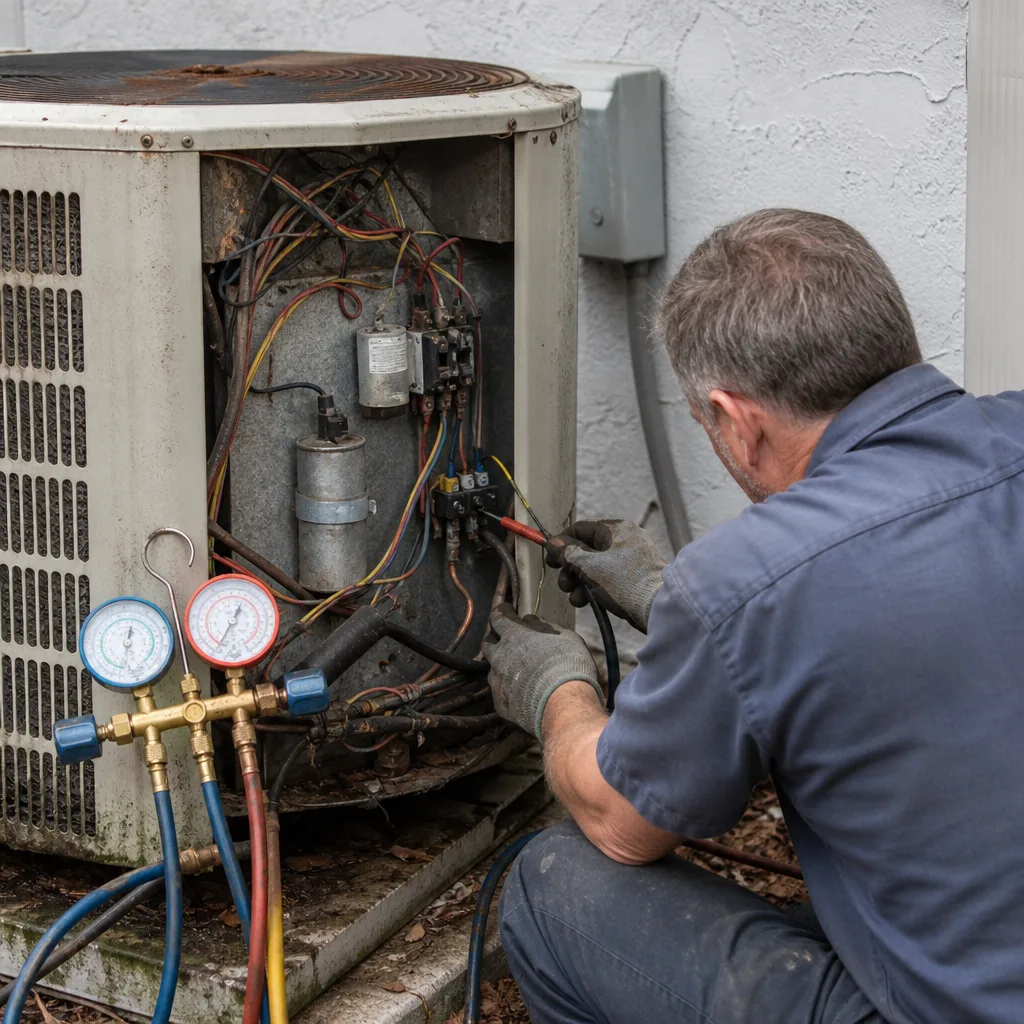 Before
 After
 Before
 After
 Before
 After
When to Call a Professional
Call a professional for anything touching the heat exchanger, gas lines, combustion venting, or electrical components inside the furnace. Those are safety-critical and not appropriate for homeowner inspection beyond a visual check from the outside. Call if the furnace smells like gas, if the carbon monoxide alarm sounds, if you see rust or scale on the heat exchanger, or if the flue looks disconnected or blocked. Call if the startup sequence above fails at any step: no ignition, short cycling, or the blower not starting. Call if you’re facing a replacement decision and want an honest repair-versus-replace assessment before committing. AC Repair Gainesville offers free estimates in Gainesville. Call (844) 223-9427. We answer 24/7. Fast dispatch from 7am to 7pm, Sunday through Friday.
Frequently Asked Questions
Once a year, before the heating season. In Gainesville, the inspection should focus on dormancy-related issues: heat exchanger condition, igniter and flame sensor, blower capacitor, and venting. A furnace that runs only a few weeks a year still needs an annual check because the failures accumulate during idle months.
There’s no single age at which replacement becomes mandatory, and runtime is not a reliable predictor in this climate. The deciding factors are heat exchanger condition, repair frequency, and whether the rest of the system (air handler, ducts) is healthy. A qualified technician can assess remaining safe life as part of an inspection. Call (844) 223-9427 for a free estimate if you want an honest repair-versus-replace assessment.
Usually yes, even on a like-for-like swap. Furnace replacement typically involves gas connections and combustion venting, which are inspected. Confirm the specific requirement with Alachua County or the City of Gainesville building department, and verify the contractor’s license before any work begins.
Yes, and often you should. The two sides of the system are separate equipment and can be replaced independently. What matters is inspecting the air handler and ductwork first, since those are shared components. If the air handler is failing, that needs to be part of the conversation. We handle AC installation and furnace replacement with the same team, so the whole-home picture gets evaluated in one visit. Call (844) 223-9427 to schedule a walkthrough.
Sometimes, but not always. In a climate with a short heating season, the annual energy savings from a higher efficiency rating are smaller than in a cold climate. A high-efficiency unit can still make sense for reliability, comfort, or long-term planning, but the decision should account for the whole system, not the efficiency number alone.
We work on equipment from all the major residential manufacturers, including Rheem, York, Daikin, Bryant, and the other widely installed brands. No dead ends on brand. If you have a system, we can diagnose it. Call (844) 223-9427 for a free estimate.
The Bottom Line
The furnace replacement checklist for Gainesville has to be built for dormancy, not for runtime. Inspect the heat exchanger, ignite the unit before the first cold front, check the blower capacitor, look hard at the air handler and ducts, and don’t skip the permit. Replacement in this climate rarely pays for itself through energy savings, so the real deciding factors are safety, reliability, and repair history. An honest repair-versus-replace assessment is worth more than a sales pitch, and the best time to schedule the work is before you need it. For a free estimate in Gainesville, call (844) 223-9427.
Written by the team at AC Repair Gainesville.