
Last updated November 15, 2026
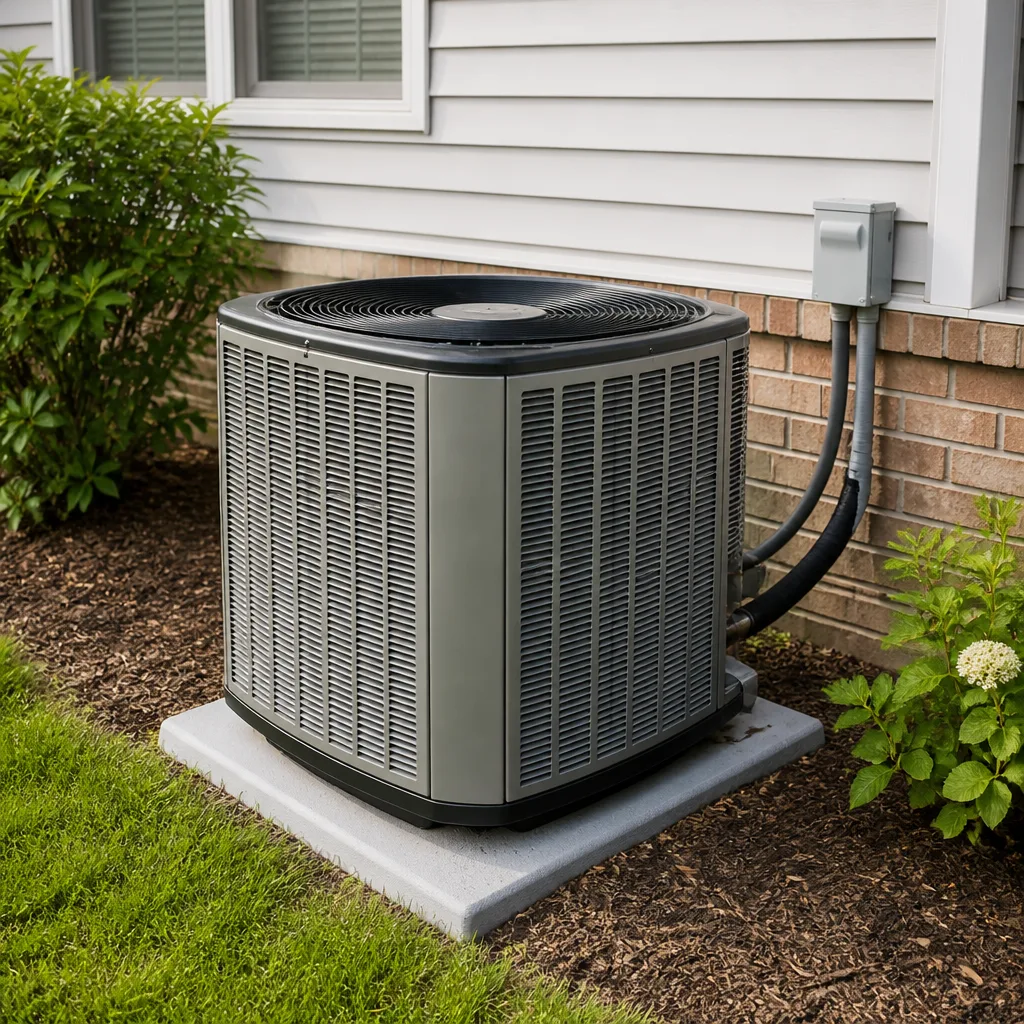 AC repair
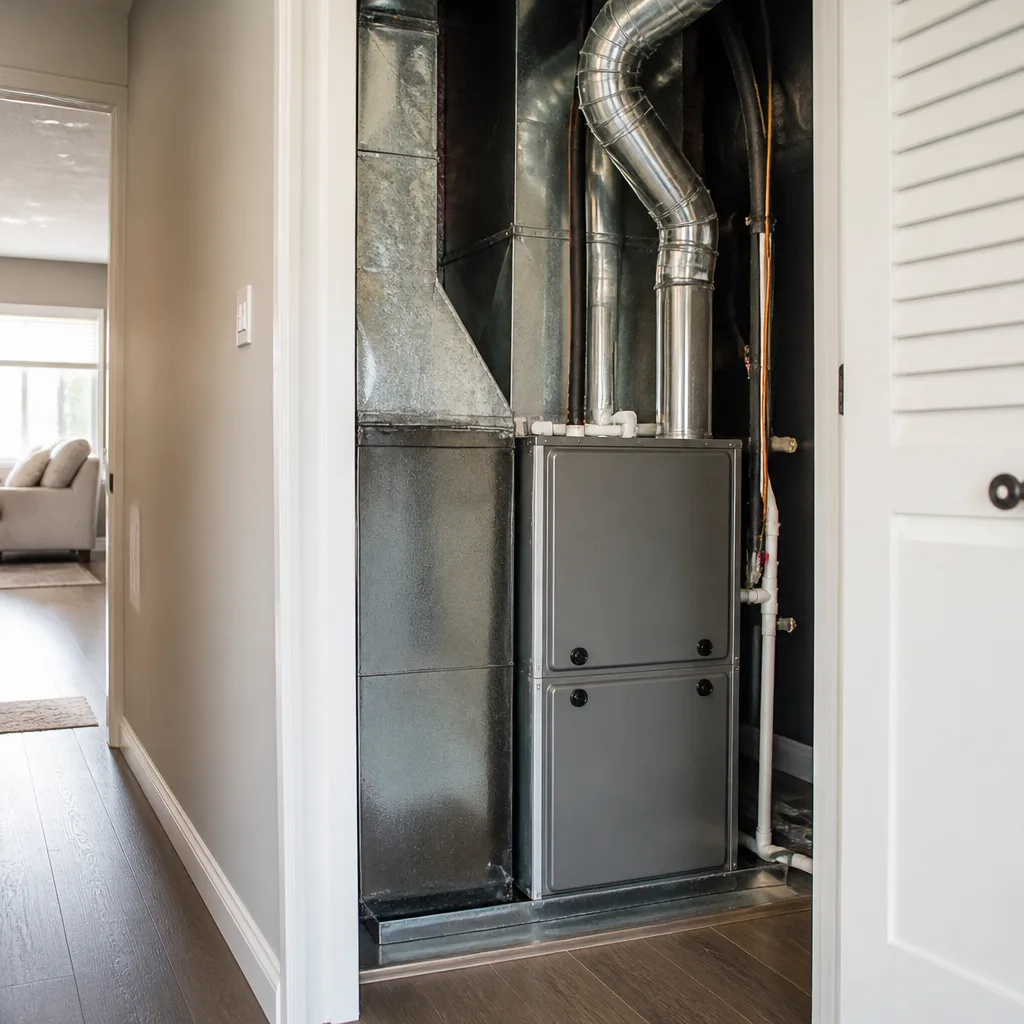 Furnace & heating
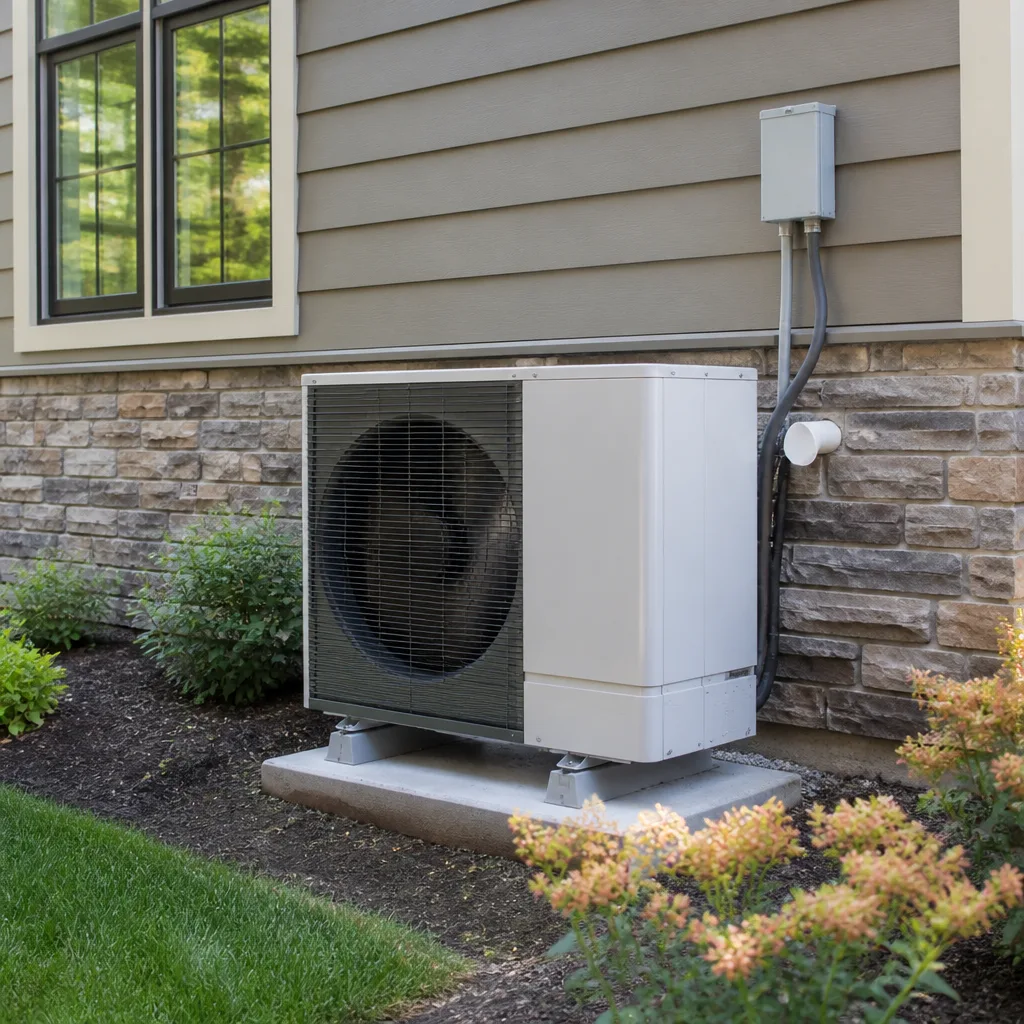 Heat pumps
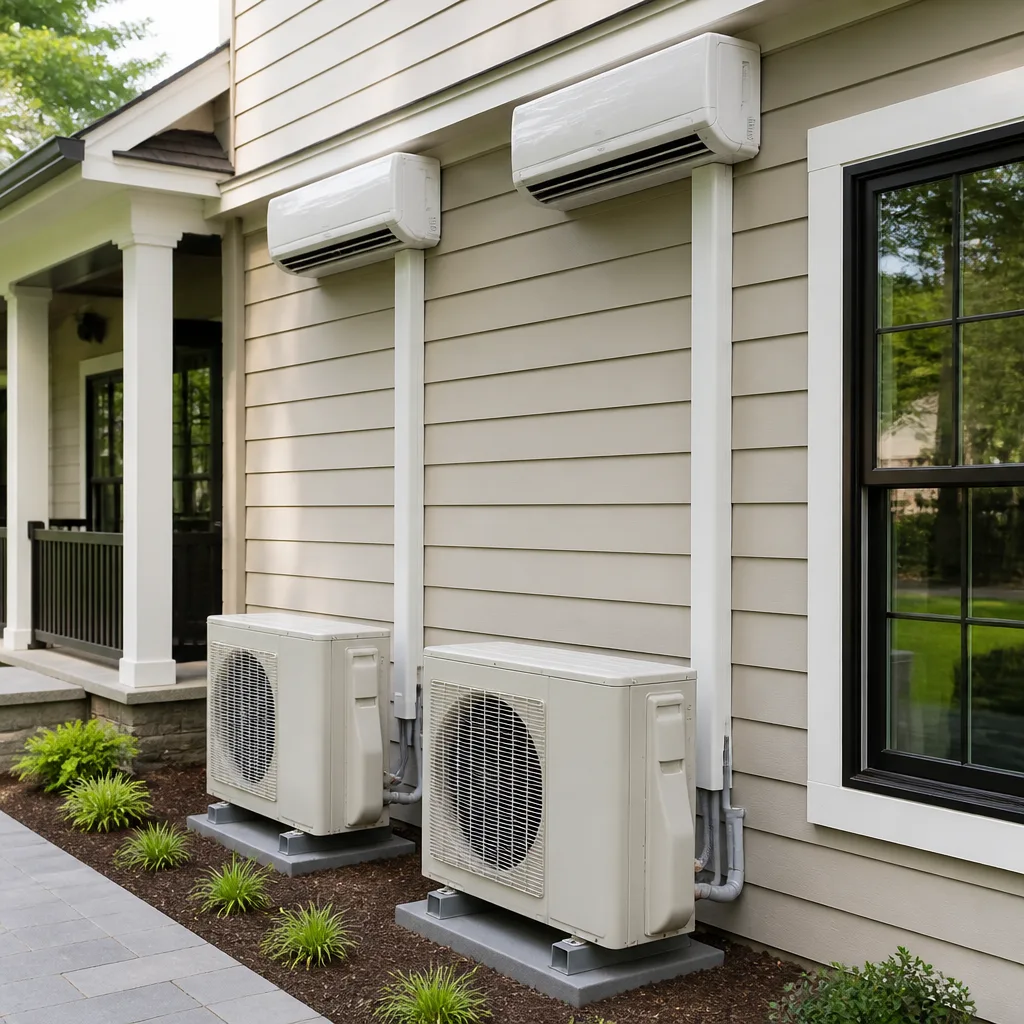 Ductless mini splits
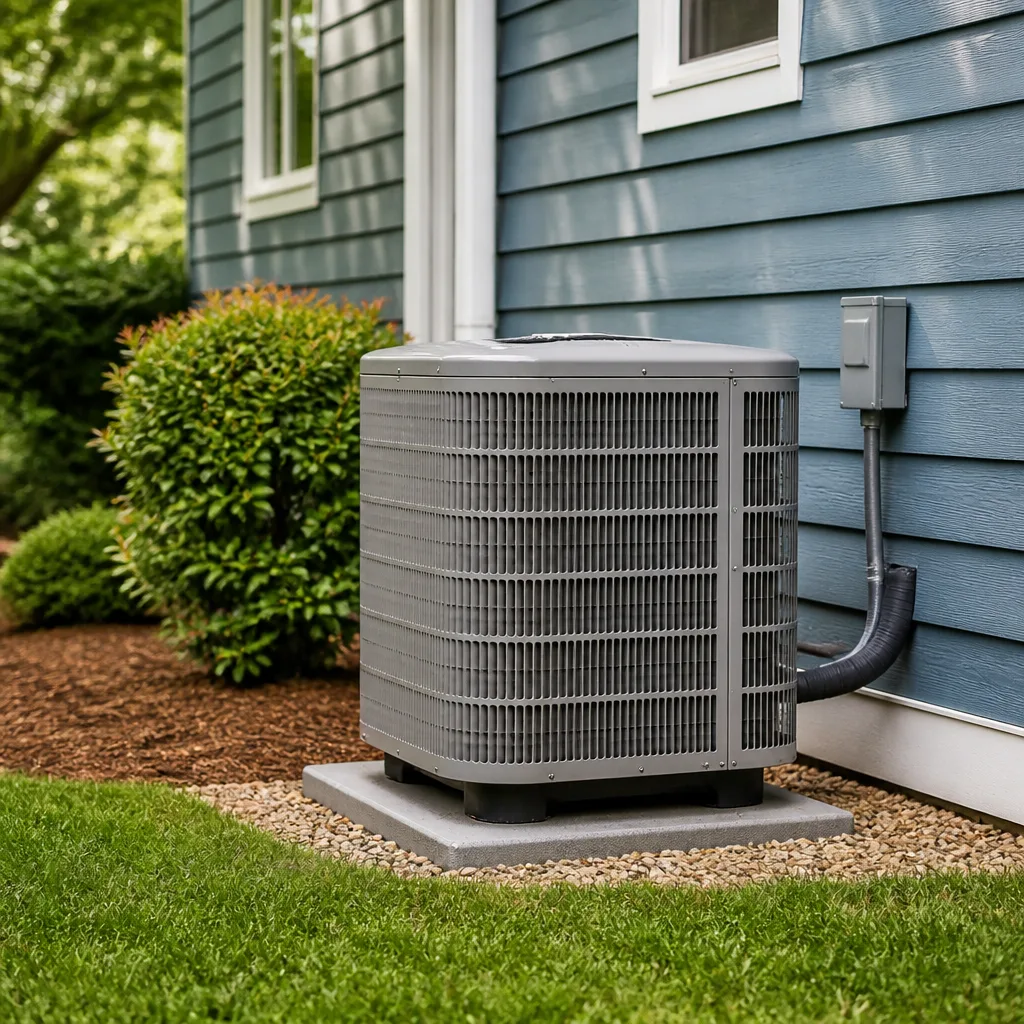 Carrier
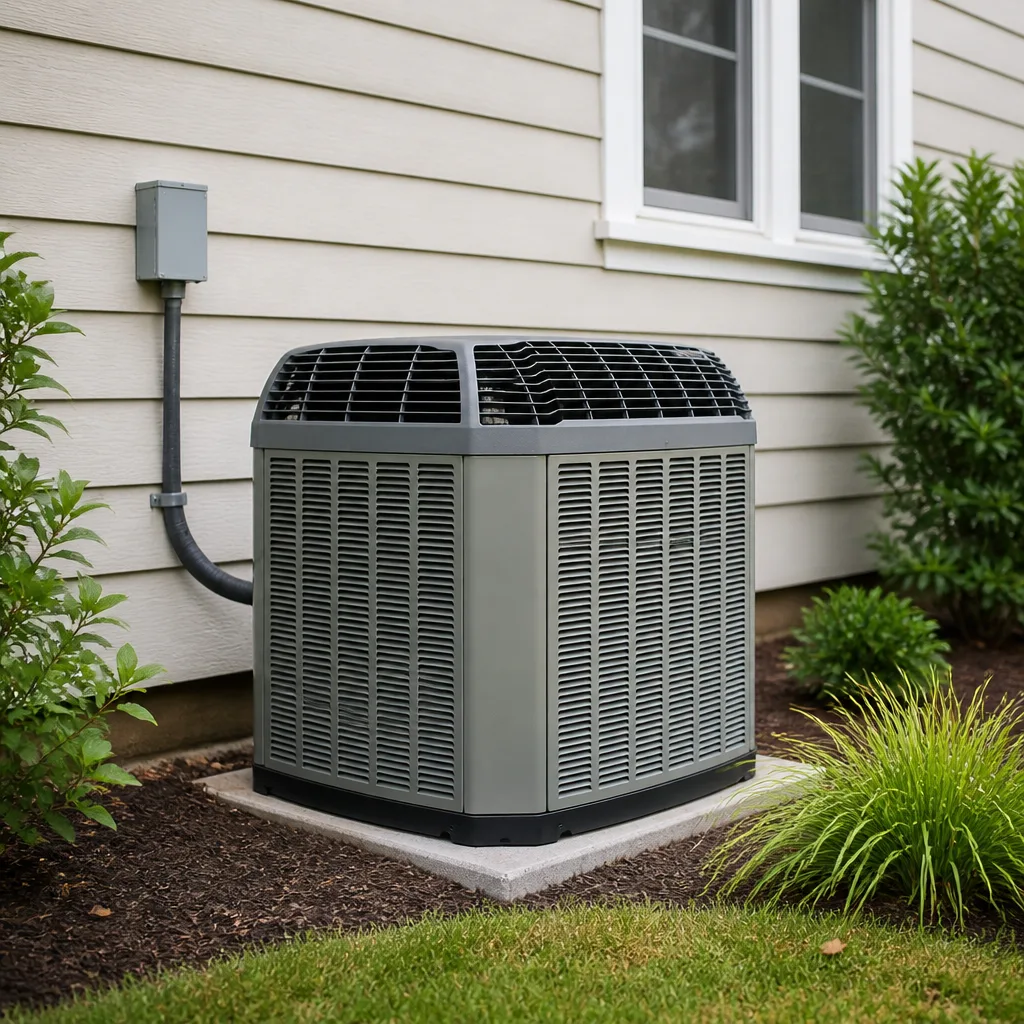 Trane
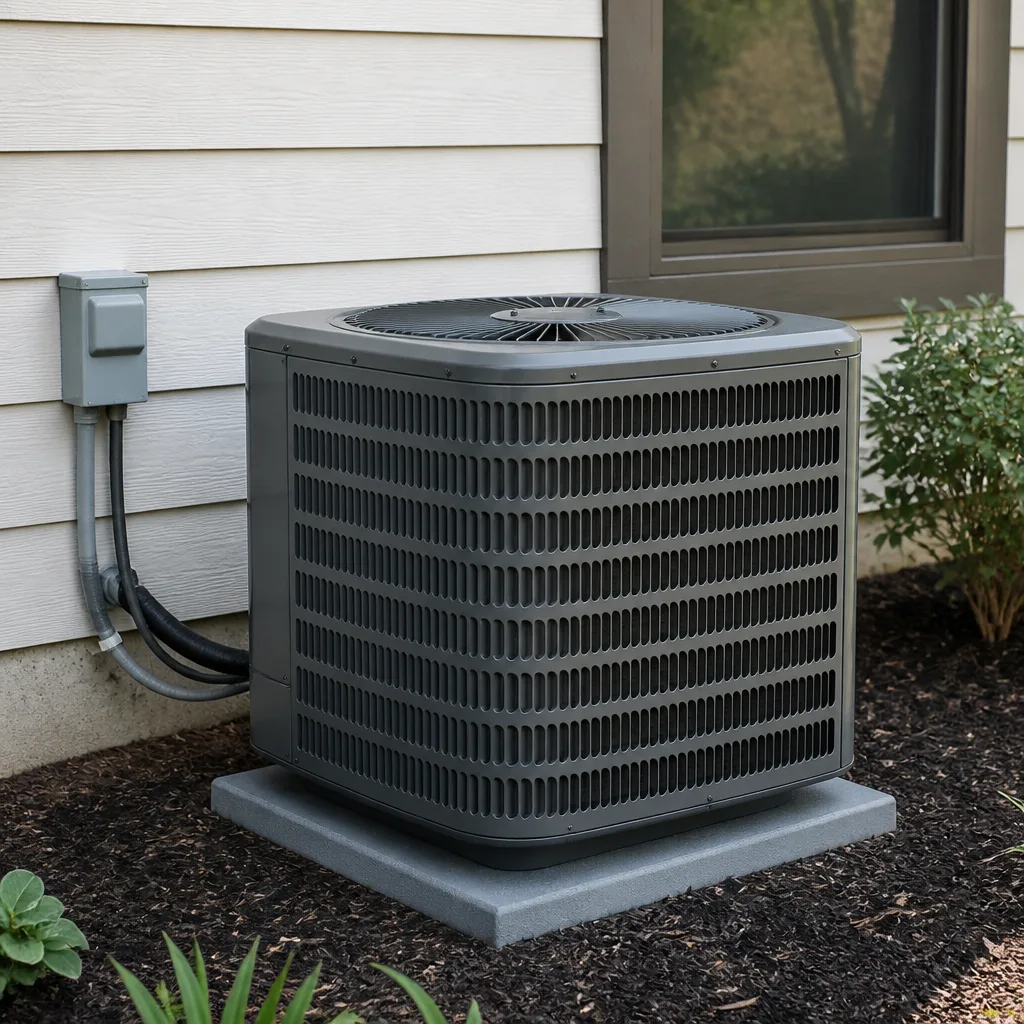 Goodman
Seasonal tune-up and full diagnostic on your Carrier, Trane, or Goodman system - readings shown to you before any repair is proposed
Diagnosis first, numbers second - you approve the repair price before a single part goes in.
Get your free estimateHVAC Cost Breakdown: The Gainesville Homeowner’s Reference for 2026
Most HVAC cost guides you’ll find online are built on national averages, and that’s the problem. A replacement quote in Gainesville doesn’t follow a national number. It follows local labor, local equipment supply, and the refrigerant transition that’s reshaping inventory right now. The R-22 to R-410A changeover is old news. The move from R-410A to R-454B is happening in real time, and a quote that doesn’t name its refrigerant type in 2026 is either priced wrong or already behind. This reference breaks down what AC installation, furnace repair, and system replacement actually cost in Gainesville this year, why quotes vary so widely, and how to read the difference between a fair price and a padded one.
Quick Answer
A typical residential AC or heating system replacement in Gainesville in 2026 is not a single number – it’s a range shaped by tonnage, refrigerant type, and brand tier, and the written estimate is what sets your final price. Repairs usually land far below replacement cost, but the crossover point depends on system age, refrigerant availability, and how much of the original equipment is still serviceable. The biggest swing factor this year is R-454B: systems built for the new refrigerant carry different pricing and lead times than remaining R-410A inventory, and that difference shows up directly in your quote.
Styles & brands we work with
- AC repair
- Furnace & heating
- Heat pumps
- Ductless mini splits
- Carrier
- Trane
- Goodman
Table of Contents
- Why Most HVAC Cost Guides Miss the Mark in Gainesville
- The R-454B Transition and What It Costs You in 2026
- What System Replacement Costs in Gainesville by Type and Tonnage
- Repair vs. Replace: The Real Break-Even Point
- Why Two Gainesville Quotes Differ by Thousands
- Rebates, Utility Incentives, and Financing That Cut Net Cost
- How to Read an HVAC Quote Line by Line
- Brand Tiers: Premium, Mid-Range, and Builder-Grade Equipment
Why Most HVAC Cost Guides Miss the Mark in Gainesville
The national average is a useful fiction. It averages a replacement in Miami with one in Minneapolis and one in a rural county where the nearest supply house is two hours away. Gainesville sits in a subtropical climate with a long cooling season and a short, mild winter, and that shapes cost in ways a national number can’t capture. Cooling equipment works harder here and runs more hours per year, which shifts the repair-versus-replace math. Heating equipment gets lighter use, so furnaces often last longer in Gainesville than they would up north.
Labor is the other gap. Contractor labor rates in Alachua County reflect a mid-size university market, not a major metro and not a rural county. Equipment availability matters too: what’s actually in stock at North Florida distributors today determines whether your install date is days out or weeks out, and that availability is changing quarter to quarter as the refrigerant transition works through the supply chain.
There’s a third factor most guides ignore: how your specific system was originally installed. A builder-grade system installed during a construction boom may have been sized and configured for speed, not efficiency. When that equipment comes due for replacement, the honest conversation isn’t just “what does a new one cost” – it’s “what does a correctly sized and configured one cost.” That’s where a Gainesville homeowner gets real value from a contractor who works across brands and can match equipment to the house rather than to a single product line.
This guide is built from the contractor side of Gainesville, which is why it looks different from what you’ll find on consumer comparison sites. Every number here is a range, and the written estimate is what sets your price. No guide can substitute for a load calculation and a look at your actual ductwork and equipment.
The R-454B Transition and What It Costs You in 2026
The refrigerant in your system is now a line item in the cost conversation, and most homeowners don’t know to ask about it. The industry is moving from R-410A to R-454B, a lower-global-warming refrigerant, and that transition touches equipment price, availability, and serviceability in 2026. Here’s what it means for a Gainesville purchase.
New equipment built for R-454B may carry a higher upfront equipment cost than remaining R-410A inventory. That premium reflects manufacturing changes, not markup for its own sake. The flip side is that remaining R-410A systems may be priced to move as distributors clear inventory, which can make an R-410A system look attractive on the quote. The catch is long-term serviceability: as R-410A supply shrinks over the coming years, servicing an older-refrigerant system could get more expensive and harder to supply.
What to ask before you sign:
- Which refrigerant does this system use? If the quote doesn’t say, ask. A quote silent on refrigerant type is a quote you can’t evaluate.
- Is this equipment current-generation or remaining inventory? Both can be right for the right buyer, but you should know which you’re getting and why it’s priced where it is.
- How will service parts and refrigerant be sourced in five years? This is the question that separates a short-term bargain from a long-term one.
- Does the technician work on both R-410A and R-454B equipment? Multi-brand, multi-refrigerant experience matters more now than it did a few years ago.
If you already own an R-410A system and it’s running well, the transition is not a reason to replace it prematurely. Repair it, maintain it, and plan the replacement on your schedule rather than the supply chain’s. If you’re replacing now, ask the refrigerant question on every quote you collect. In our experience, the answers separate contractors who are watching the market from those who are just selling what’s on the shelf. When your system needs AC installation, that question should be part of the first conversation.
What System Replacement Costs in Gainesville by Type and Tonnage
Replacement cost in Gainesville depends on three things above all: system type, tonnage, and equipment tier. Tonnage is the cooling capacity a load calculation determines your home needs – a smaller, well-insulated home might need a 2-ton system while a larger or older home needs 4 or 5 tons. The ranges below are typical installed estimates, not quotes. The written estimate sets your final price, and installation is scheduled around equipment availability, not done same-day.
- Split system, 1.5 to 2 tons (smaller homes, condos): lower end of the market range; builder-grade equipment sits here.
- Split system, 2.5 to 3 tons (typical mid-size Gainesville home): the most common replacement size, and where the widest spread between brand tiers appears.
- Split system, 4 to 5 tons (larger homes): higher equipment and labor cost, and where sizing accuracy matters most.
- Package units (equipment all in one outdoor cabinet): common in certain home configurations; fewer moving parts but different installation logistics.
- Furnace replacement: typically the lowest installed cost of the major heating options in Gainesville because the heating load is light, but the price still swings on brand tier and how much ductwork needs attention.
Heat pump systems and package units both appear in this market, and their costs track equipment tier and installation complexity more than a fixed per-ton formula. What actually moves your number:
- Tonnage and load calculation. The right size for your home, not a guess based on square footage alone.
- Equipment tier. Builder-grade, mid-range, and premium efficiency all price differently, and premium equipment isn’t automatically worth it in a mild-winter climate.
- Refrigerant generation. R-410A remaining inventory versus R-454B new equipment, as covered above.
- Line set and ductwork condition. Reusing what’s serviceable saves money; a system that needs a new line set or duct repairs costs more.
- Permit and disposal. Alachua County permit requirements and refrigerant recovery plus old-equipment disposal are real line items, not hidden fees.
We work across the full range of major brands – Carrier, Trane, Lennox, Goodman, Rheem, York, Daikin, Bryant, and American Standard – which means we can match equipment to your home and your budget instead of steering you to one manufacturer. That alone is one reason quotes differ so much between contractors.
Repair vs. Replace: The Real Break-Even Point
There’s no universal age that means “replace it.” The honest answer depends on what’s failing, how much refrigerant it holds, and how often you’re calling for furnace repair or AC repair. A system in its teens with a failed compressor is a different decision from the same-aged system with a bad capacitor.
Here’s a practical way to think about the break-even point in Gainesville:
- If the repair is a minor component – a capacitor, contactor, blower motor, or thermostat wiring issue – repair almost always wins. These are routine fixes regardless of age.
- If the repair involves refrigerant on an R-410A system and the system is older, weigh the repair cost against the reality that refrigerant supply will tighten. A recharge today can buy years or can be money toward a replacement you’ll face soon.
- If the failure is the compressor or the evaporator coil on a system well into its service life, replacement usually makes more financial sense than a major component repair.
- If you’re facing a second major repair within a short window, that pattern is the signal. Two big fixes in a few years usually means the system has reached the end of its economic life.
Because Gainesville cooling loads are heavy, AC equipment here does real work every summer. That stress shows up in compressor and coil life, which is why the repair-versus-replace conversation tends to arrive a little earlier on the cooling side than the heating side. A furnace in a mild climate often has plenty of life left when the AC is already due.
The most useful thing a contractor can do is give you both numbers side by side: what the repair costs, and what a replacement would run, with an honest recommendation based on system condition. We’re set up to do exactly that because we handle AC repair and installation with the same team, so there’s no incentive to push one path over the other. If you’re weighing a replacement, our Gainesville page lays out how we approach the assessment.
Why Two Gainesville Quotes Differ by Thousands
Two contractors can quote the same house and land thousands of dollars apart, and it’s usually not because one is cheating you. It’s because quotes are built from different parts. Knowing the components helps you compare fairly.
- Coil and equipment brand tier. A premium-tier system from Trane or Lennox doesn’t cost what a builder-grade Goodman or Rheem does, and both can be legitimate choices for different budgets. Comparing a premium quote to a value-tier quote is comparing apples to oranges.
- Labor rate structure. Some shops pay technicians differently or run leaner crews, and that shows up in the installed price. A lower labor line isn’t automatically better if it means shortcuts on the install.
- Permit fees in Alachua County. Permit requirements and fees are a real line item. A quote that skips the permit is a quote with a hidden problem, not a bargain.
- Disposal and refrigerant recovery. Removing and disposing of old equipment and properly recovering refrigerant is regulated work and it costs money to do correctly.
- Scope of ancillary work. Line set replacement, duct sealing, drain line work, and electrical upgrades are sometimes necessary and sometimes optional. A quote that bundles everything isn’t wrong, but you should be able to see what each item costs.
When you compare quotes, ask for a line-item breakdown rather than a single bottom-line number. Then compare like to like: same tonnage, same refrigerant generation, same brand tier, same scope. Otherwise the difference you’re looking at is mostly the difference in what each contractor planned to do. Our technicians have up to 15 years of experience reading exactly this kind of comparison, and we’ll tell you plainly where a quote is padded and where it’s genuinely lean.
Rebates, Utility Incentives, and Financing That Cut Net Cost
Your gross quote is not your net cost. Utility incentives, Florida financing options, and manufacturer programs can reduce what you actually pay, and the amount varies by equipment efficiency tier, system type, and which utility serves your address. We don’t publish specific rebate dollar amounts here because they change, and a number that’s wrong is worse than no number. What we can tell you is how to go after them.
- Check with your utility provider first. Gainesville Regional Utilities (GRU) and Florida Public Utilities (FPU) both serve parts of the area, and their incentive programs differ. Ask your provider what’s currently offered for high-efficiency replacement before you sign a quote.
- Confirm the equipment qualifies. Rebates are tied to efficiency ratings, and a system that just misses a threshold gets nothing. Ask the contractor to confirm the exact model number qualifies before you commit.
- Get the paperwork handled as part of the job. Manufacturer and utility programs require documentation, and a system that’s installed incorrectly for rebate purposes can disqualify you. Handle it at the quoting stage, not after the invoice.
- Ask about Florida-specific financing. Financing options can spread a replacement cost over time. Ask what’s available and read the terms – financing is a tool, not a discount.
Rebates and incentives are a moving target year to year. The right approach is to ask on every quote: what does this system qualify for, and who submits the paperwork? A contractor who can’t answer that is leaving money on the table. We handle rebate and financing documentation as part of the install so the net cost you planned for is the net cost you get. When you call for a replacement estimate, bring your utility name and we’ll factor it into the conversation.
How to Read an HVAC Quote Line by Line
A good quote tells you what you’re buying, what’s being removed, and what’s included. A bad one tells you a total. Here’s what should be on the page:
- Equipment make, model, and efficiency rating. Not “a 3-ton system” – the actual model, so you can look it up.
- Refrigerant type. R-410A or R-454B, stated explicitly. In 2026 this should never be a mystery.
- Tonnage and the load calculation behind it. Ask how the size was determined.
- Scope of work. New line set or reuse, ductwork repairs, drain line, electrical, thermostat (if included).
- Permit and disposal. Listed as line items, not bundled quietly into labor.
- Warranty terms. Equipment manufacturer warranty and any labor warranty, written out.
- Rebate eligibility. The model qualifies for what, if anything.
- Install date and scheduling terms. Replacement is scheduled around equipment availability.
If a quote is missing more than one of these, ask. If a contractor won’t put the details in writing, that’s your answer about how they operate. We put every one of these on the estimate because comparing prices without comparing scope is how homeowners end up surprised six months later.
Brand Tiers: Premium, Mid-Range, and Builder-Grade Equipment
Brand tier is the biggest controllable variable in your quote, and it deserves its own section because it’s where most homeowners get pushed rather than advised. Premium brands like Trane and Lennox build higher-end equipment with features and warranties that matter for some buyers. Builder-grade brands like Goodman and Rheem offer solid equipment at a lower installed cost. Mid-range brands like Bryant, York, and Daikin sit between, and premium-tier American Standard and Carrier round out the field. None of these are the “right” answer for everyone.
What matters is matching the equipment to your home, your climate, and your budget. Gainesville’s mild winter means heating efficiency has less financial impact here than in colder climates – a premium heating tier may not pay back the way it would up north. Cooling efficiency matters more because the cooling season is long. That’s a nuance a contractor who only sells one brand can’t offer you.
Because we’re certified to work on nine of the most widely installed residential brands, we can give you a recommendation across tiers instead of steering you to whatever we happen to carry. If you have a system from any of these manufacturers already, you won’t hear “we don’t service that brand.” That’s a real dead end for homeowners, and it’s a reason to pick a contractor whose brand range covers what’s already in your house.
If you’re not sure what’s installed, ask. Our technicians have up to 15 years of experience identifying and evaluating equipment across the full range.
Common Mistakes to Avoid
- Comparing quotes without matching scope. A premium-tier quote and a builder-grade quote for different tonnage aren’t a comparison. Make them match on equipment tier, tonnage, refrigerant, and scope before you weigh price.
- Not asking about refrigerant type. In 2026, a quote silent on R-410A versus R-454B is a quote you can’t evaluate. Ask every contractor, every time.
- Choosing lower price over correct sizing. A load calculation that’s skipped or guessed is a shortcut that shows up later as an undersized or oversized system.
- Skipping the permit. Alachua County permits exist for a reason, and an unpermitted install can complicate future sale and warranty claims in Gainesville.
- Replacing on age alone. A well-maintained system in its teens with a minor failure is often worth repairing. Decide on condition and cost, not the calendar.
- Ignoring rebate eligibility at the quote stage. Asking after the invoice is too late. Confirm the model qualifies before you sign.
- Assuming premium always pays back. In Gainesville’s mild winter, a premium heating tier’s payback is thinner than in colder climates. Buy the tier that fits, not the tier that’s sold hardest.
See the difference
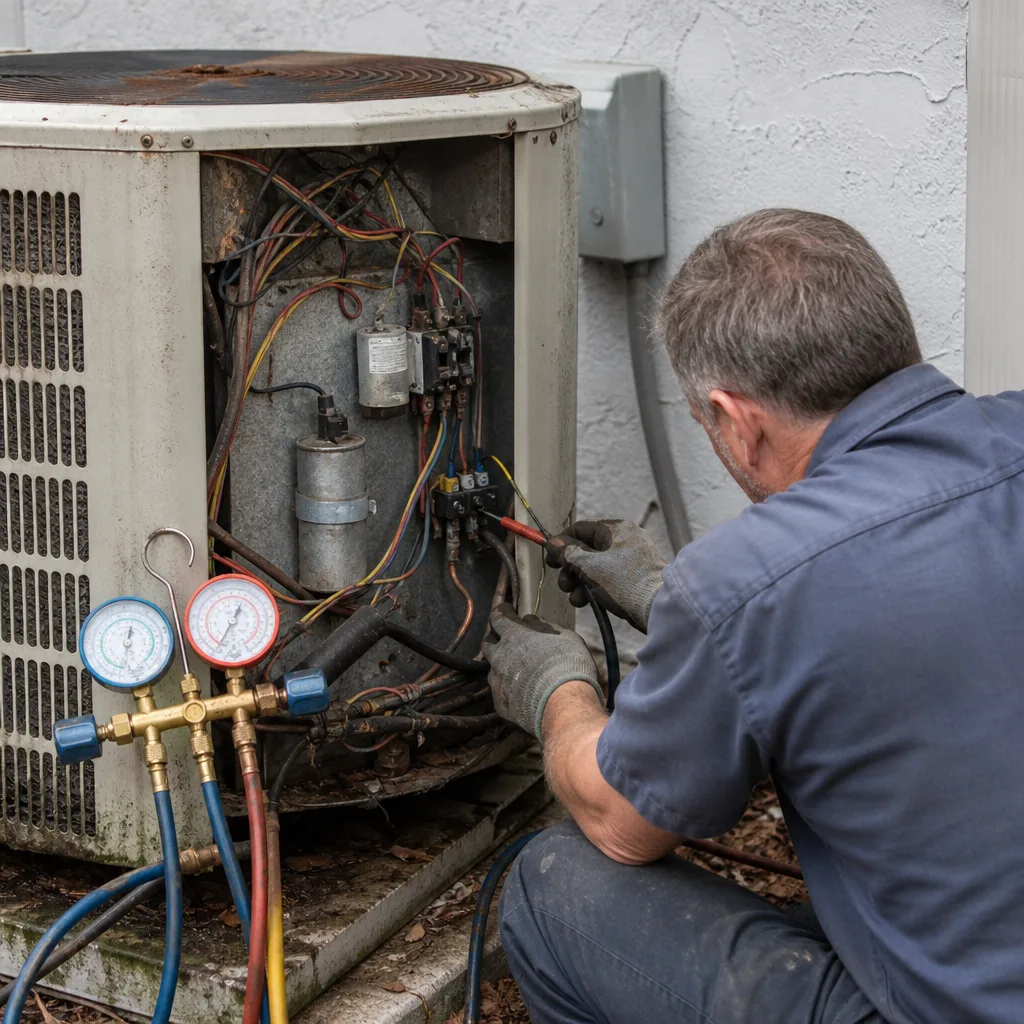 Before
 After
 Before
 After
 Before
 After
When to Call a Professional
Call when the decision affects safety or when the diagnosis is beyond a quick check. Refrigerant handling, compressor work, electrical components, and gas furnace repair all involve matters that should be handled by a trained technician, not a homeowner with a parts-store kit. Call if your system is losing cooling slowly, if you’re hearing unusual sounds from the outdoor unit, if you’re facing a repair-or-replace decision and want both numbers side by side, or if a quote you’ve received is missing the refrigerant type or scope details. AC Repair Gainesville offers free estimates in Gainesville – call (844) 223-9427. We answer 24/7 with fast dispatch from 7am to 7pm, Sunday through Friday, and same-day service is often possible for repairs.
Frequently Asked Questions
It’s a range, not a single number, and it depends on system type, tonnage, brand tier, and refrigerant generation. The written estimate is what sets your final price. Call (844) 223-9427 for an exact quote – estimates are free.
Repair if the failure is a minor component regardless of age. Replace if it’s a compressor or coil on an aging system, or if you’re facing a second major repair within a short window. We evaluate condition and give you both numbers honestly, because we handle repair and replacement with the same team. Call (844) 223-9427 for an assessment.
Yes, at purchase time. Ask every contractor which refrigerant the quoted system uses and whether it’s current-generation or remaining R-410A inventory. That answer affects price, availability, and how serviceable the system will be in five years. Call (844) 223-9427 and we’ll walk you through it.
Often, though the amounts and programs vary by utility provider and change year to year. GRU and FPU both serve parts of Gainesville, and their incentive programs differ. Ask your provider what’s currently offered and confirm the model qualifies before signing. Call (844) 223-9427 and we’ll help handle the paperwork.
Often yes for repairs, and we’ll be honest about scheduling. We answer 24/7, and fast dispatch runs from 7am to 7pm, Sunday through Friday. A call outside dispatch hours is booked into the next opening. Same-day service is frequently possible for repairs. Call (844) 223-9427.
Because quotes are built from different components: equipment brand tier, labor rate structure, Alachua County permit fees, disposal costs, and scope of ancillary work. The fix is to compare like to like – same tonnage, refrigerant, brand tier, and scope. Call (844) 223-9427 for a line-item estimate you can compare fairly.
The Bottom Line
HVAC cost in Gainesville in 2026 comes down to a handful of decisions: tonnage and load calculation, refrigerant generation, brand tier, and scope. Repair wins when the failure is small, replacement wins when the system is at the end of its economic life, and the honest contractor gives you both numbers. Ask about R-454B on every quote. Compare line items, not totals. Chase the rebates before you sign, not after. We work across nine major brands and handle heating and cooling with one team, so you get a recommendation based on your home and budget rather than on what’s easiest to sell. When you’re ready for numbers you can actually compare, call us.
Call (844) 223-9427 for a free estimate. We answer 24/7 with fast dispatch from 7am to 7pm. Upfront pricing, no guesswork, no runaround.
Written by the team at AC Repair Gainesville.