
Last updated November 15, 2026
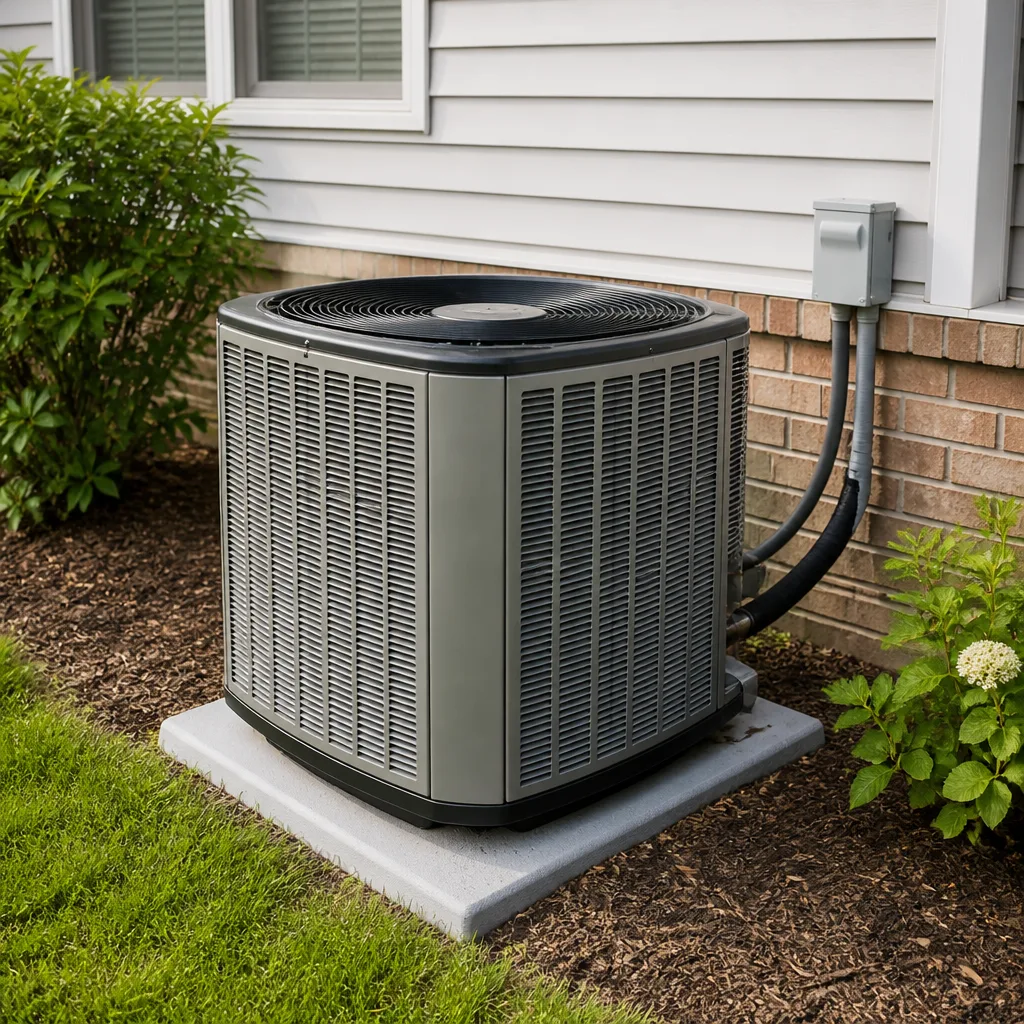 AC repair
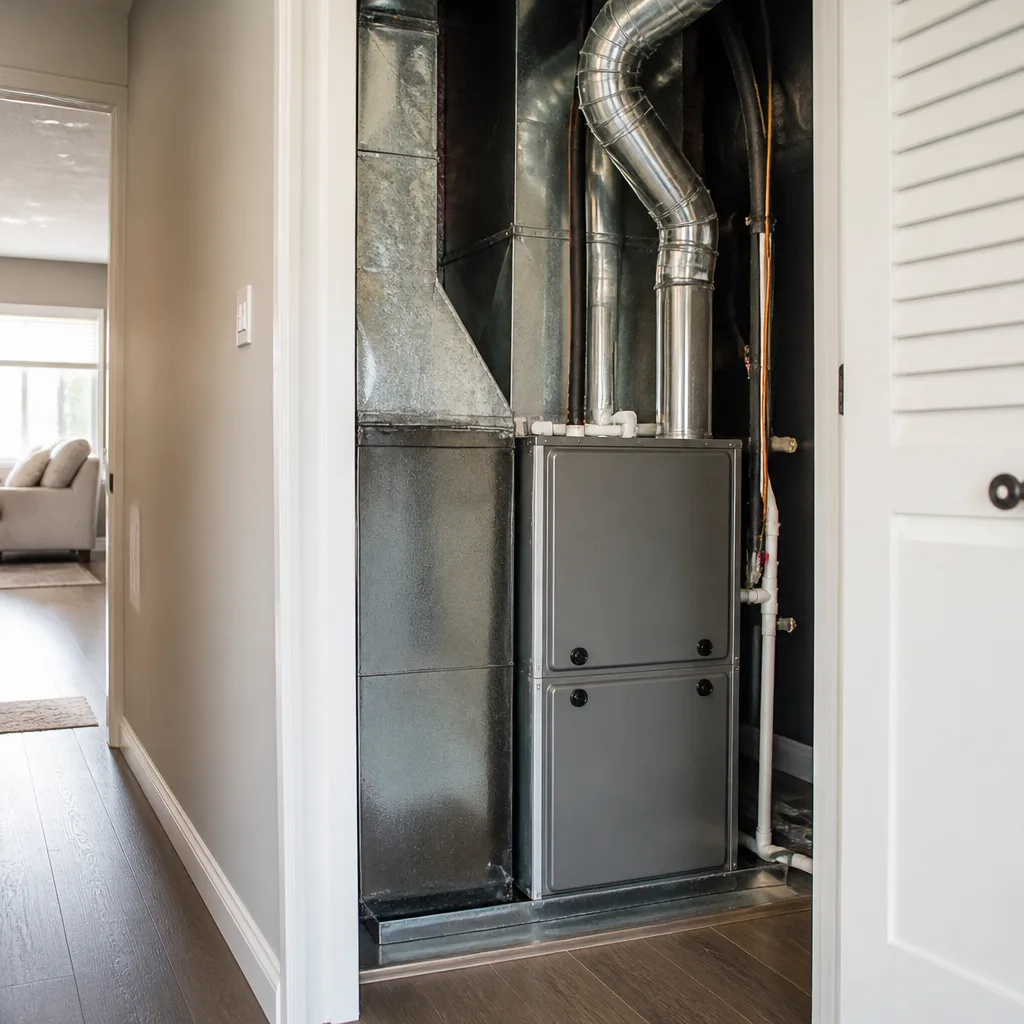 Furnace & heating
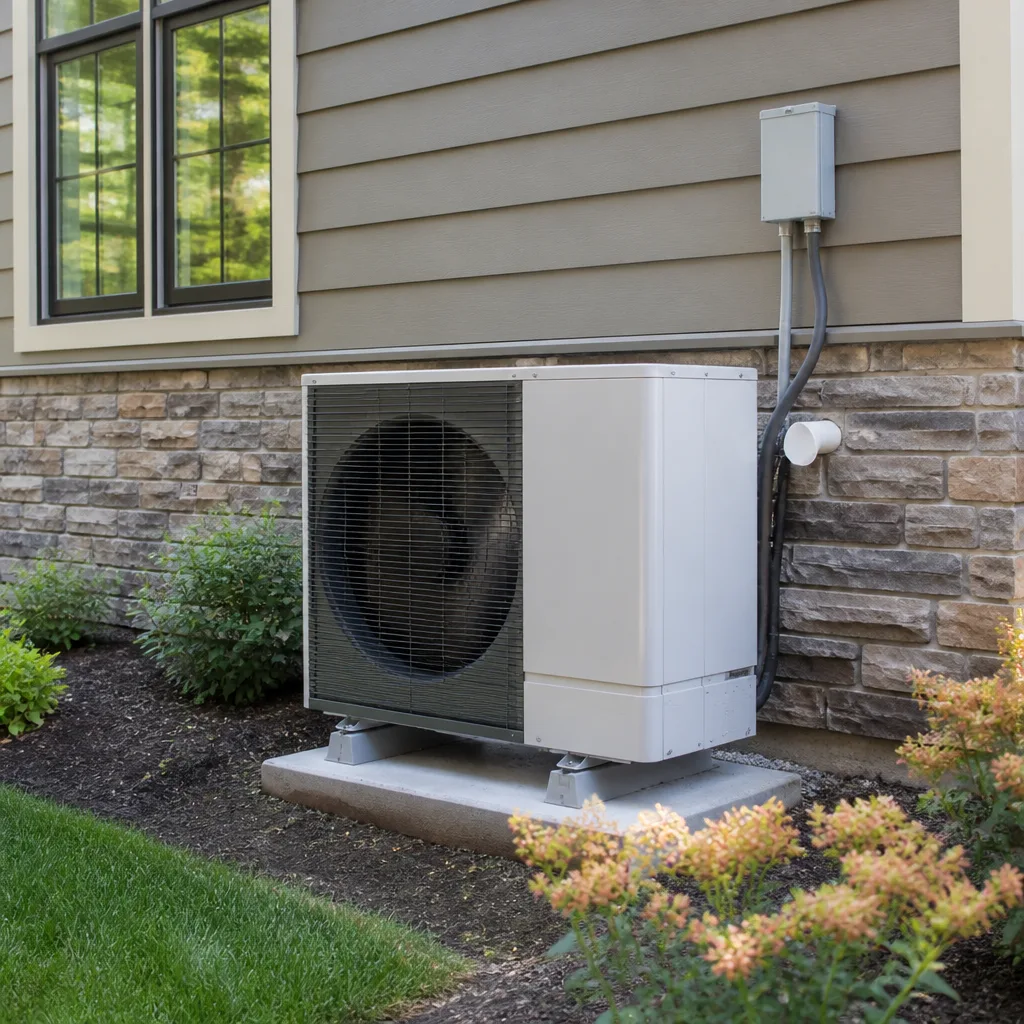 Heat pumps
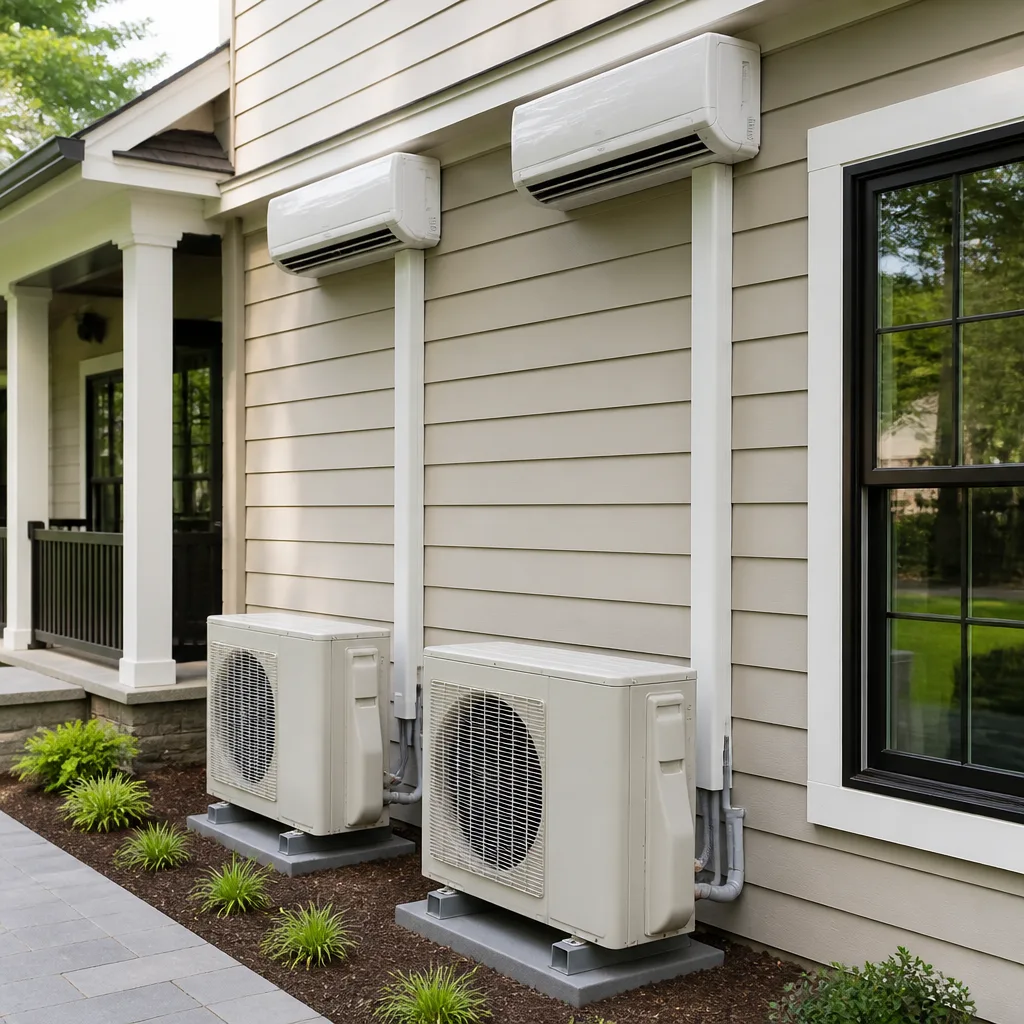 Ductless mini splits
 Carrier
 Trane
 Goodman
Seasonal tune-up and full diagnostic on your Carrier, Trane, or Goodman system - readings shown to you before any repair is proposed
Diagnosis first, numbers second - you approve the repair price before a single part goes in.
Get your free estimateHow to Hire an HVAC Contractor in Gainesville: A Step-by-Step Guide
Most advice about hiring an HVAC contractor stops at “check for a license and read reviews.” In Gainesville, that’s not enough. The week after the first 90-degree day in April, the local market fills with out-of-area operators and unlicensed handymen chasing the same repair calls every real contractor is chasing. The homeowner who can vet a company in twenty minutes makes a better decision than the homeowner who spends three days collecting quotes from whoever answered first. This guide walks through the exact steps that separate a professional from a corner-cutter: verifying a Florida license in real time, asking about brand certifications, reading a bid for a real load calculation, comparing quotes across SEER2 ratings and refrigerant types, and asking the one permit question that ends most bad conversations.
Quick Answer
To hire an HVAC contractor in Gainesville, verify the contractor’s state license through the Florida DBPR database, confirm they carry the specific brand certifications needed for your equipment, insist on a Manual J load calculation rather than a square-footage guess, compare quotes line by line on SEER2 rating and refrigerant type, and ask directly whether they will pull the permit in Alachua County. A contractor who can answer all five questions clearly is almost always the right hire.
Styles & brands we work with
- AC repair
- Furnace & heating
- Heat pumps
- Ductless mini splits
- Carrier
- Trane
- Goodman
Table of Contents
- Step 1: Verify the Contractor’s Florida License in Real Time
- Step 2: Ask the Right Questions About Brand Certifications
- Step 3: Insist on a Load Calculation, Not a Square-Footage Guess
- Step 4: Compare Quotes Across SEER2, Refrigerant, and Coil Specs
- Step 5: The Permit Question That Separates Pros From Pretenders
- Step 6: Ask the Repair-or-Replace Question Directly
- Step 7: Recognize the Red Flags Specific to Gainesville’s Seasonal Spikes
- Common Mistakes to Avoid
Step 1: Verify the Contractor’s Florida License in Real Time
Florida licenses heating and air conditioning contractors under a specific class called CAC, which stands for Certified Air Conditioning Contractor. That’s the class you want. A CAC license means the contractor has met the state’s requirements to install, repair, and service HVAC systems, and it’s the credential that distinguishes a real contractor from someone who “knows a guy” who owns gauges and a vacuum pump.
The verification runs through the Florida Department of Business and Professional Regulation (DBPR) portal at myfloridalicense.com. You can look up any contractor by business name or by individual license. Here’s how to read what comes back:
- Check that the license is current and active. A “null and void” or expired listing means the contractor can’t legally pull a permit in Alachua County. Walk away.
- Look at the license class. A CAC class is what you want for residential work. Some contractors hold a Class A or B air conditioning license, which covers a broader scope including commercial work; those are also fine, but verify the class matches the work you need.
- Read the license history, not just the status. The DBPR record shows complaints, citations, and disciplinary actions. A contractor with a clean current status but a history of resolved complaints is a different animal from one with a pattern of unpermitted work or abandoned jobs. The history tells you how they handle problems.
- Confirm the business name on the license matches the one on the quote. A common trick is quoting under one business name while the license is held by a different entity. If the names don’t match, ask why in writing.
The whole lookup takes five minutes. Do it before you let a technician in the door, not after.
Step 2: Ask the Right Questions About Brand Certifications
Manufacturers certify technicians to service their specific equipment. A technician who is certified to work on Carrier or Trane systems has been trained on that manufacturer’s specific diagnostics, controls, and warranty procedures. A technician who isn’t is guessing at what the manufacturer’s service literature says.
Why this matters for warranty preservation: most residential HVAC warranties include language requiring service by a qualified or certified technician. If an uncertified contractor takes apart a system and the failure traces back to something they did, you may find the manufacturer declines the claim. That’s a five-figure replacement you didn’t budget for.
Ask these questions directly:
- “Do you service my brand at the manufacturer’s certified level?” If the answer is “we work on everything,” that’s vague. You want to hear the brand named and the certification confirmed.
- “Will you use manufacturer parts or aftermarket?” Aftermarket parts can be fine, but the manufacturer’s warranty on the equipment may require OEM parts for certain repairs. Get this in writing.
- “If the repair fails within the warranty period, who covers the labor?” Labor warranties vary. Some contractors offer their own; others point to the manufacturer. Clarify before the work starts.
One of the honest advantages of choosing a contractor who works across multiple brands is that you don’t get a “we don’t service that brand” dead end. We work on your brand, whether it’s a builder-grade Goodman or a premium American Standard system, because the technicians are certified across nine of the most widely installed residential brands. That breadth means the recommendation you get is about your system, not about which brand the contractor prefers to sell.
Step 3: Insist on a Load Calculation, Not a Square-Footage Guess
A load calculation, commonly called a Manual J, is a room-by-room heat-loss and heat-gain analysis. It factors in window area and orientation, insulation values, attic and wall construction, duct location, local design temperatures, occupancy, and internal heat sources like appliances. The result is the number of BTUs the system actually needs to deliver.
A contractor who quotes “we’ll put in a three-ton system because your house is about 1,800 square feet” is guessing. In Gainesville’s climate, with a design-day heat index that routinely climbs above 100 degrees, that guess is often wrong. Oversized systems short-cycle, cool the house unevenly, remove less humidity, and wear out faster. Undersized systems run constantly and never catch up during the July and August peak. The square-footage rule of thumb has been wrong for decades, and in a climate like ours it’s more wrong than usual.
What a proper bid looks like:
- A written Manual J report listing the calculated cooling and heating loads room by room.
- A Manual S selection step showing the recommended system is correctly sized for that calculated load, including blower and coil match.
- A discussion of ductwork. If your existing ducts are undersized or leaking, putting the right equipment on them doesn’t fix the house.
- Static pressure readings from the existing system if they’re doing a replacement, so they can size the new duct and coil correctly.
If the bid arrives on a scribbled napkin, says “approx. 2.5 ton,” or quotes only by the square foot, that’s a disqualifying signal. A contractor who won’t do the math on the front end won’t do it in the warranty period either.
Step 4: Compare Quotes Across SEER2, Refrigerant, and Coil Specs
Three quotes, three prices, and none of them are for the same system. This is the most common way homeowners overpay in Gainesville – or underpay and get a system that fails its efficiency promise within a season. To compare apples to apples, you need to see these fields side by side:
- Model number, not just brand. “We’ll install a Trane 3-ton” is not a quote. Demand the exact model number on the contract.
- SEER2 rating. SEER2 is the current federal efficiency metric, and it’s what the equipment is rated at when paired with a matching indoor coil. A system that’s “up to 16 SEER2” is not 16 SEER2 unless the matched coil is in the quote.
- Refrigerant type. R-410A and R-454B use different equipment and service procedures. Ask which refrigerant the system uses and confirm the contractor is certified to service it.
- Coil brand and model. The evaporator coil is often the first component to fail. A mismatched coil from a different manufacturer can shorten system life and void parts of the equipment warranty.
- Labor warranty terms. One year versus five years on labor is a big difference. Put the number in writing.
When the specs are normalized, the differences in price usually land in three places: equipment tier, warranty length, and whether the bid includes duct modifications or electrical work. Those are the line items to negotiate, not the total.
Step 5: The Permit Question That Separates Pros From Pretenders
In Alachua County, HVAC system replacements require a permit, and the permit is pulled through the county’s building department. Ask the contractor one question: “Will you pull the permit?” Then read the answer carefully.
A professional contractor says yes, prices the permit into the quote, and schedules the inspection. A contractor cutting corners says “you don’t need one for a straight swap” or “we can skip it to save you money.” Both answers are the same answer, and both are wrong. An unpermitted HVAC replacement creates real problems:
- It can complicate a future home sale or disclosure.
- If a code issue later surfaces, you own it, not the contractor.
- Some manufacturer warranties have installation-code requirements, and an unpermitted install can affect coverage.
- The county has no record that the installation was inspected.
The permit also forces an inspection, which is where duct sealing, condensate handling, and electrical connections get checked by someone other than the contractor who did the work. That’s a feature, not a bureaucratic hassle.
If you’re comparing two bids and one is conspicuously cheaper, the permit line is often where the difference hides. Call (844) 223-9427 if you want a second opinion on a bid before you sign. Estimates are free.
Step 6: Ask the Repair-or-Replace Question Directly
This is the moment where a contractor’s incentive either lines up with yours or doesn’t. A contractor who only installs will always find a reason to replace. A contractor who is set up for both furnace repair and full system replacement can be honest about which one makes financial sense.
The honest assessment rests on three numbers: the age of the system, the cost of the current repair against the cost of a replacement, and the efficiency gap between the existing equipment and current equipment. As a general rule, a repair that costs more than a third of replacement value on a system past its typical service life is worth thinking about as a replacement decision rather than a repair. A repair on a system in its first half of life is almost always the right call, even if it’s a mid-three-figure job.
Ask the contractor to explain the diagnosis in plain language. What failed, why, and what other components are likely to fail next. A contractor who can walk you through that without jargon is one who is actually diagnosing rather than selling. One who hands you a proposal before explaining what’s wrong is selling. That difference matters during a Gainesville July, when a homeowner without cooling is in no position to shop around.
Step 7: Recognize the Red Flags Specific to Gainesville’s Seasonal Spikes
Gainesville’s HVAC market has a predictable rhythm. Demand spikes after the first heat wave in April and again in the first cold snap in December. Both spikes bring the same set of red flags, and both are where homeowners get burned.
- Out-of-area trucks with no local reviews. A contractor whose business address is in another county can still do good work, but you need to verify the license, insurance, and Alachua County permit history before you let them in. A contractor who can’t prove local experience doesn’t know the county’s inspection standards.
- No permit offered on a replacement. This is the single strongest indicator that a bid is cutting corners. See Step 5.
- Pressure to sign on the first visit. A real diagnosis doesn’t require a same-day signature. “The price goes up tomorrow” is a sales tactic, not a scheduling policy.
- No written load calculation on a replacement bid. Square-footage guesses are how systems get oversized in Gainesville, which shortens equipment life.
- No local references and no Google reviews older than the current season. Ask for two addresses of recent replacements in your area of town. A legitimate contractor will supply them. One who won’t is telling you something.
- Cash-only pricing with no invoice. You need a paper trail for warranty and permit purposes. Insist on it.
The counterintuitive part: the best time to vet an HVAC contractor in Gainesville is in the spring, before you need one. Build a short list of two or three licensed contractors in March, before the April spike, and you’ll make a better decision at 2pm on a 96-degree day than the homeowner calling whoever answers first.
Common Mistakes to Avoid
- Hiring the cheapest bid without comparing specs. A bid that’s $2,000 cheaper is often a lower-SEER2 system with a shorter labor warranty and no permit. Normalize the specs first, then compare prices.
- Accepting a square-footage quote. In Gainesville’s climate, an oversized system won’t remove humidity properly and will fail sooner than a correctly sized one. Insist on a Manual J.
- Skipping the DBPR lookup. It takes five minutes and it’s the single fastest way to find out if your contractor can legally pull a permit in Alachua County.
- Not asking about brand certifications. An uncertified technician can void portions of your equipment warranty without meaning to. Ask the question in Step 2 before the work starts.
- Letting the contractor skip the permit to save money. It complicates a future home sale and shifts code liability onto you. There’s no version of this that ends well.
- Signing a replacement contract on the first visit. Get the diagnosis in writing, then take an evening to compare it against one other bid. A contractor who won’t let you do that is answering the question for you.
- Not asking whether the company services your brand. A dead-end “we don’t work on that brand” call wastes a day during the hottest week of the year. Confirm coverage before you book.
See the difference
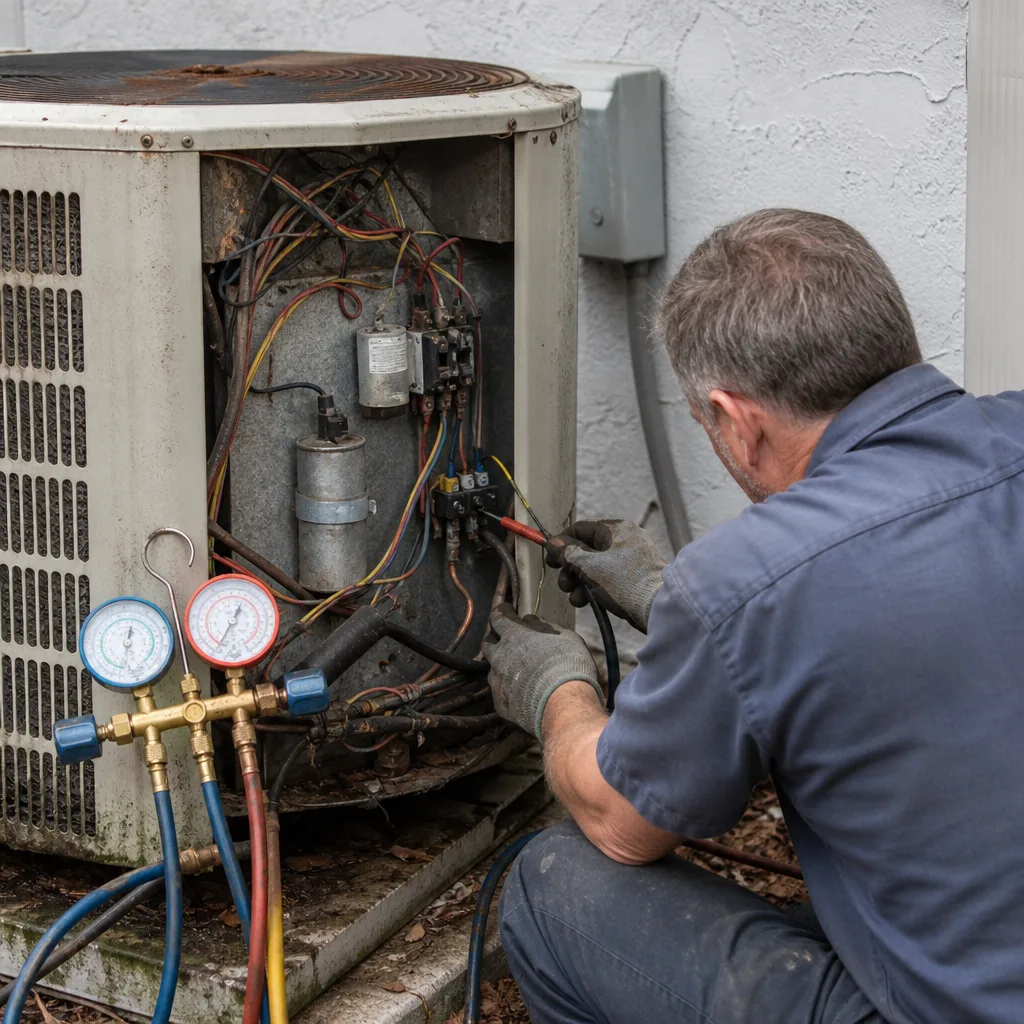 Before
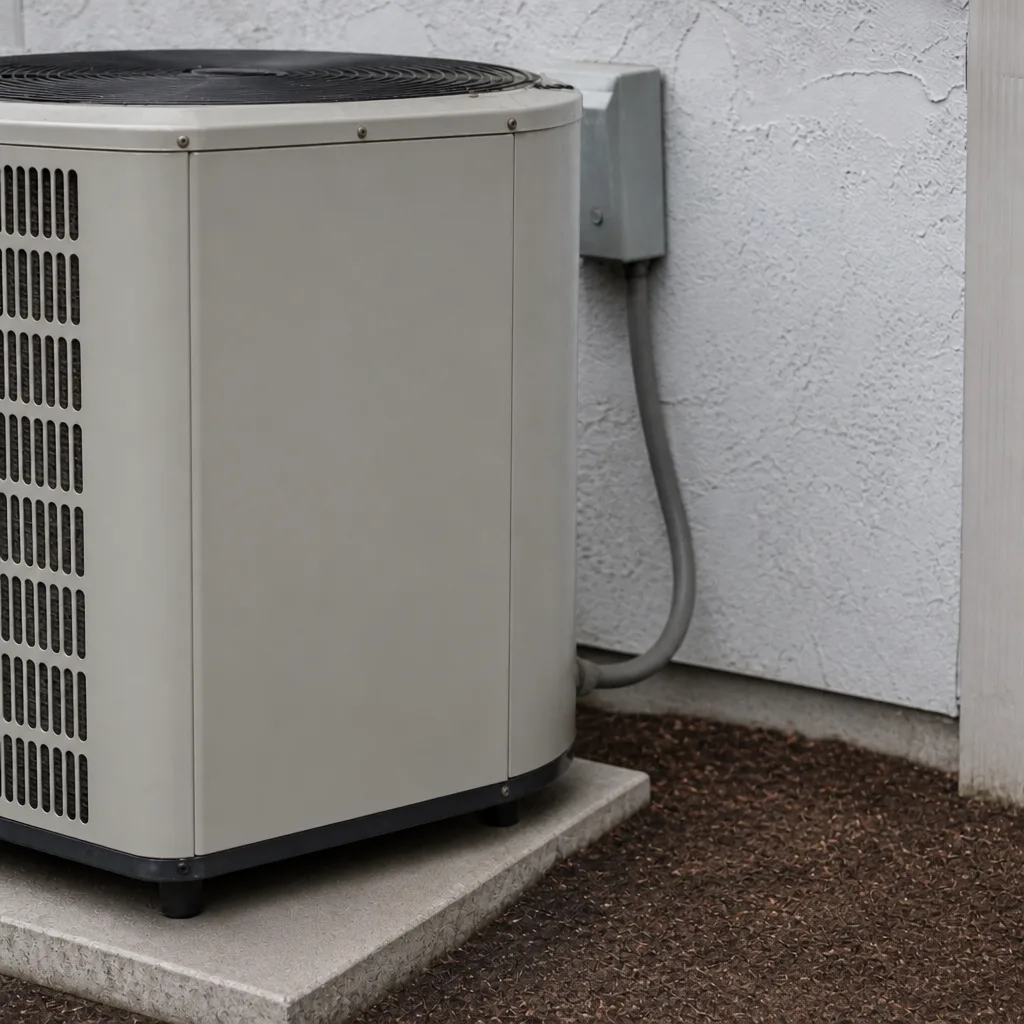 After
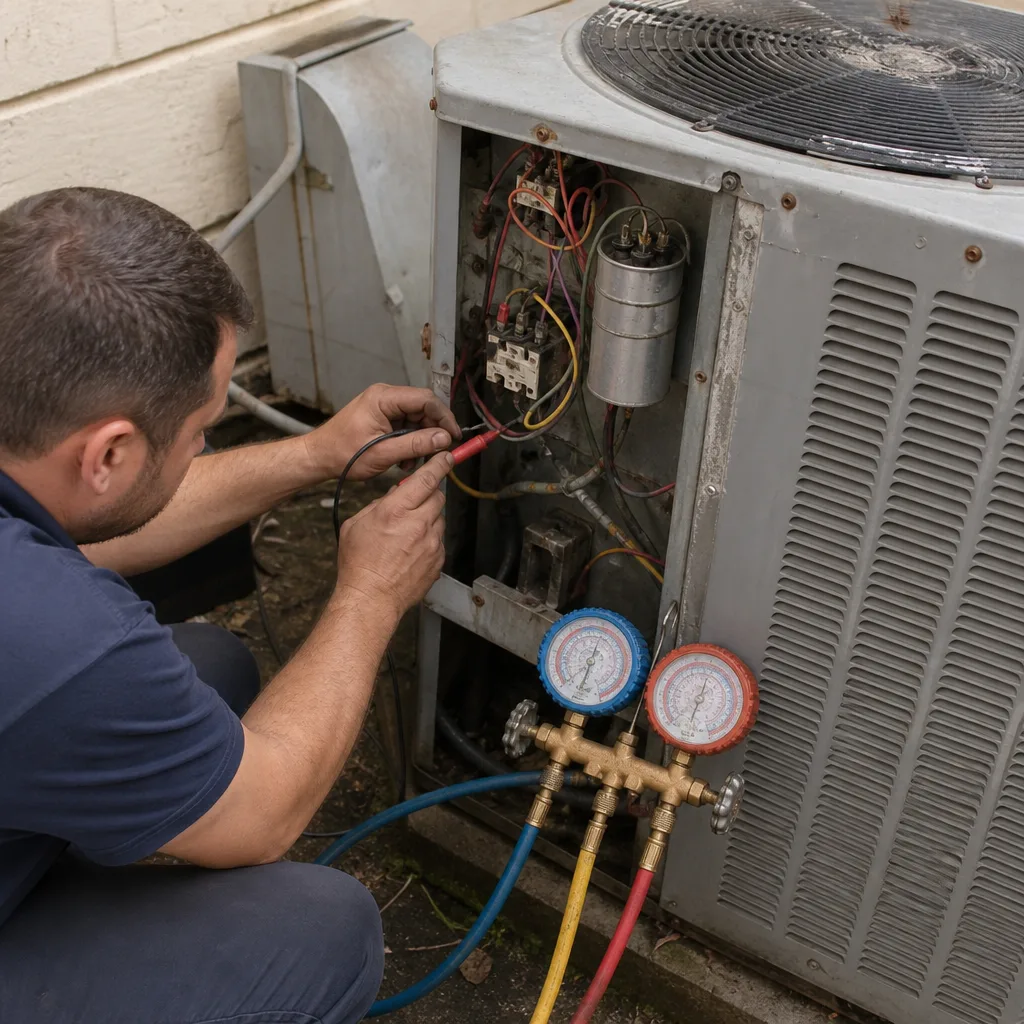 Before
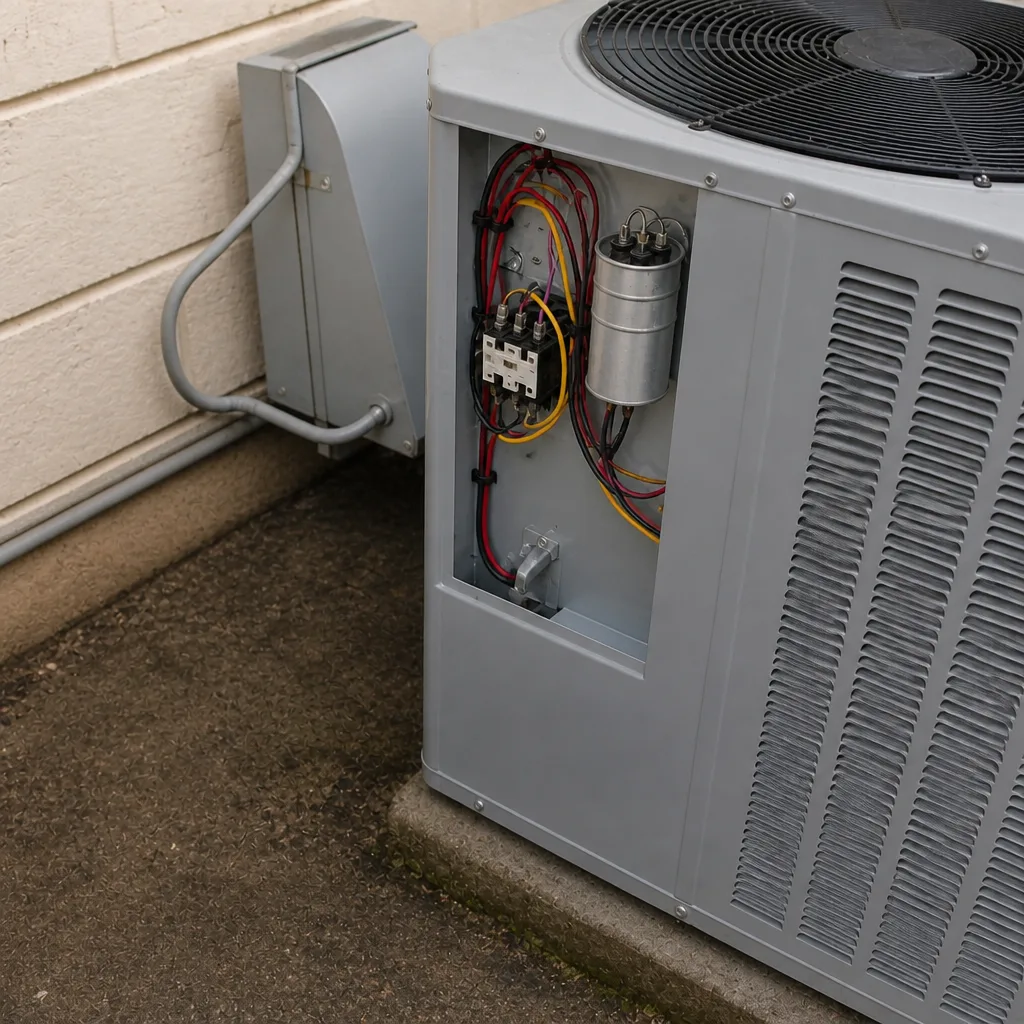 After
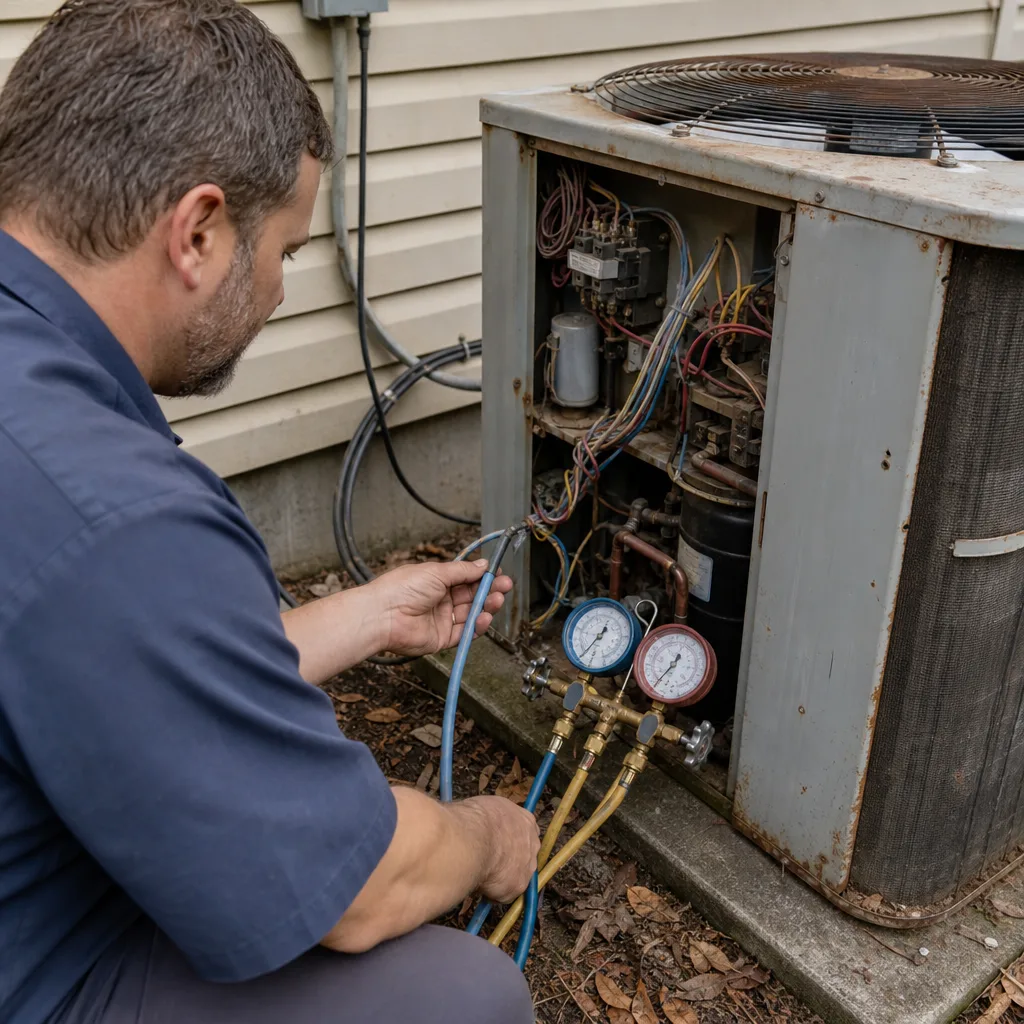 Before
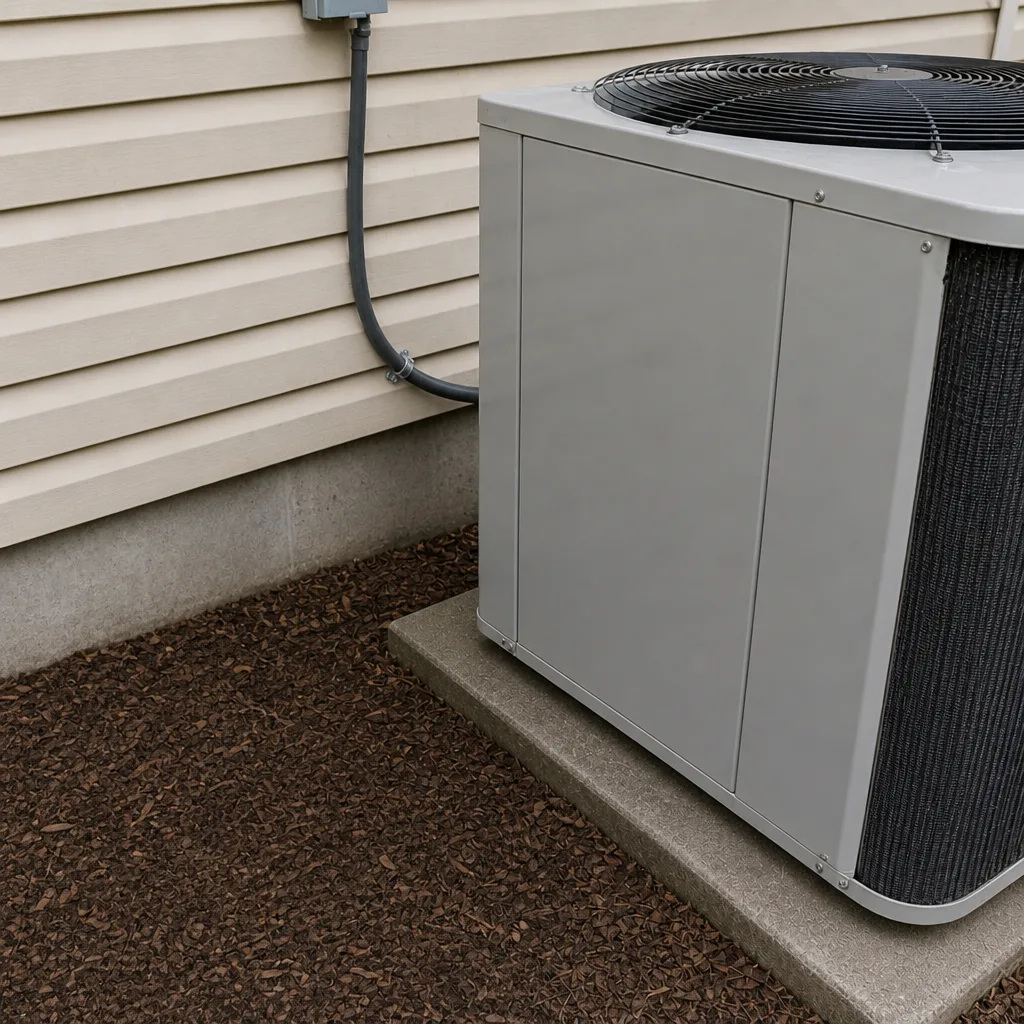 After
When to Call a Professional
Some HVAC problems are worth a phone call immediately; others can wait for a scheduled appointment. Call a professional the same day if your system is blowing warm air in cooling mode, your furnace isn’t producing heat, you smell gas near the furnace, you see water pooling near the indoor unit, or the system is tripping the breaker repeatedly. Those are symptoms that can escalate into a full replacement if ignored, and in a Gainesville July or a January cold snap, a failed system is a health concern, not just an inconvenience.
Burning smells, scorched wiring, or refrigerant odors are a stop-now situation. Turn the system off at the thermostat and call. Don’t try to diagnose electrical or refrigerant problems yourself; those are the components where a mistake causes real harm.
AC Repair Gainesville offers free estimates in Gainesville. Call (844) 223-9427. We answer 24/7. Fast dispatch from 7am to 7pm, Sunday through Friday. Same-day service is available for most repair calls, and no overtime charge applies. For full system replacements, we schedule a firm install date and handle the paperwork.
Frequently Asked Questions
Look up the contractor’s CAC license through the Florida DBPR portal at myfloridalicense.com. Verify the license is current and active, read the license history for complaints or disciplinary actions, and confirm the business name on the license matches the business name on your quote. The lookup takes about five minutes and is the fastest way to rule out a contractor who can’t legally pull an Alachua County permit. Call (844) 223-9427 for a free estimate from a state-licensed contractor.
A load calculation, or Manual J, is a room-by-room analysis of heat gain and heat loss based on window area, insulation, ductwork, and local design temperatures. A square-footage quote is a rule of thumb that ignores all of that. In Gainesville’s climate, the difference shows up in humidity control and equipment life: an oversized system short-cycles, removes less humidity, and wears out faster. Insist on the Manual J, and walk away from any bid that doesn’t include one.
It almost never does. An unlicensed contractor can’t legally pull the Alachua County permit, which means your installation has no inspection record, which complicates a future home sale and shifts code liability onto you. Some manufacturer warranties also have installation-code requirements that an unpermitted install can affect. The short-term savings usually get eaten by the first problem. Call (844) 223-9427 to compare a free estimate from a licensed contractor.
Most residential HVAC warranties require service by a qualified or certified technician. A technician who isn’t manufacturer-certified is guessing at the equipment’s specific service procedures, and if their work causes a failure, the manufacturer can decline the claim. Ask your contractor directly whether they’re certified on your specific brand. At AC Repair Gainesville, we’re certified on nine of the most widely installed residential brands, including Carrier, Trane, Bryant, and American Standard. Call (844) 223-9427 for a free estimate.
A typical residential replacement is a single-day job when the equipment is available and the existing ductwork supports the new system. If duct modifications are required, or if the system is a heat pump so the electrical work is more involved, it can run into a second day. The written estimate will give you the actual scheduled window before you sign. Call (844) 223-9427 for a free estimate and a firm install date.
Yes, for most repair calls. We dispatch technicians same-day for cooling failures, heating failures, and no-heat/no-cool calls. We answer 24/7; fast dispatch from 7am to 7pm, Sunday through Friday. A call outside dispatch hours is booked into the next opening. Prices are per job by the written estimate, and there’s no overtime charge. Call (844) 223-9427. Estimates are free.
The Bottom Line
Hiring an HVAC contractor in Gainesville isn’t about finding the cheapest bid or the longest review list. It’s about the five questions that separate a professional from a corner-cutter: verify the CAC license through DBPR, confirm brand certifications for your equipment, insist on a Manual J load calculation, compare quotes line by line on SEER2, refrigerant, and coil specs, and ask directly about the Alachua County permit. A contractor who answers those five questions clearly is one you can trust in July. One who dodges any of them is telling you exactly what your repair is going to look like six months from now. The cheapest bid is almost never the cheapest outcome.
If you’re ready for a free estimate on a repair or a replacement, call AC Repair Gainesville at (844) 223-9427. We answer 24/7. Fast dispatch from 7am to 7pm, Sunday through Friday. We work on your brand, we offer repair and replacement side by side with an honest recommendation, and we handle heating and cooling with one team.
Written by the team at AC Repair Gainesville.