
Last updated November 15, 2026
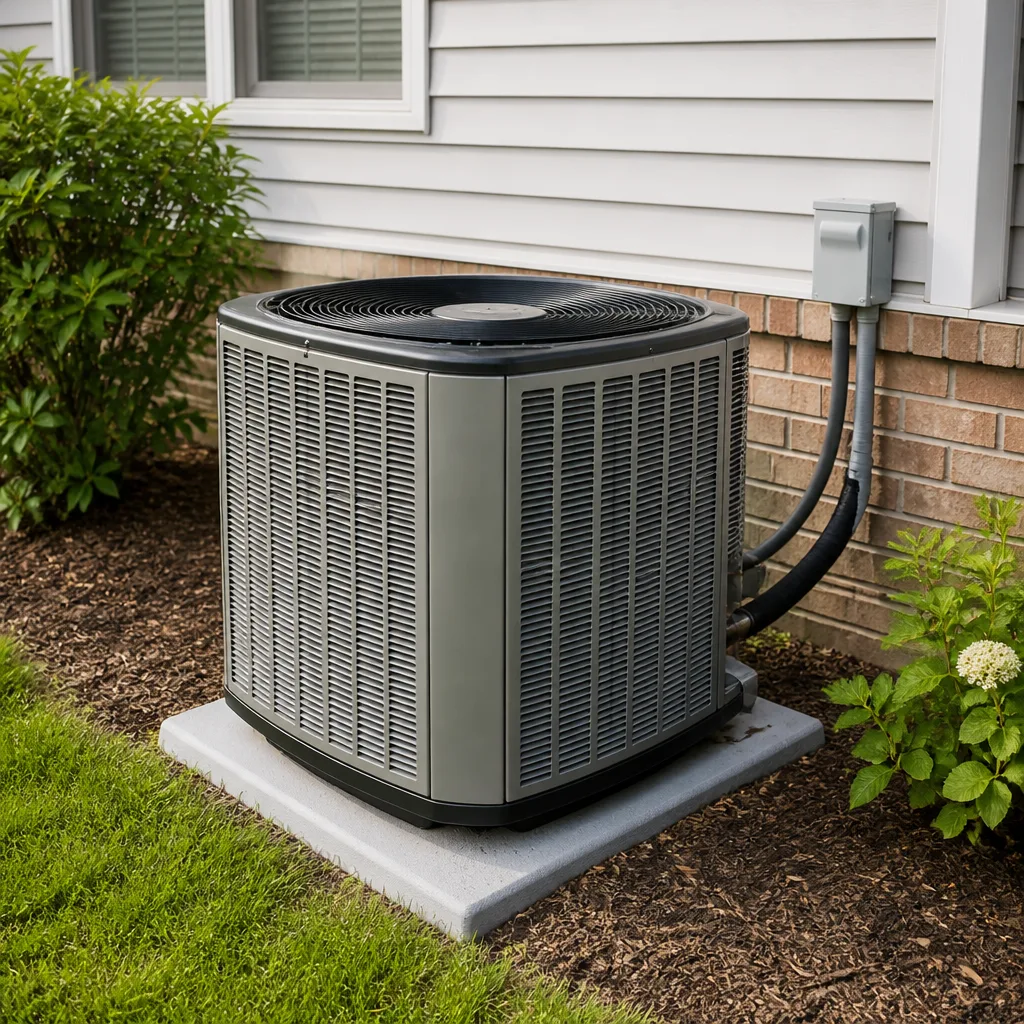 AC repair
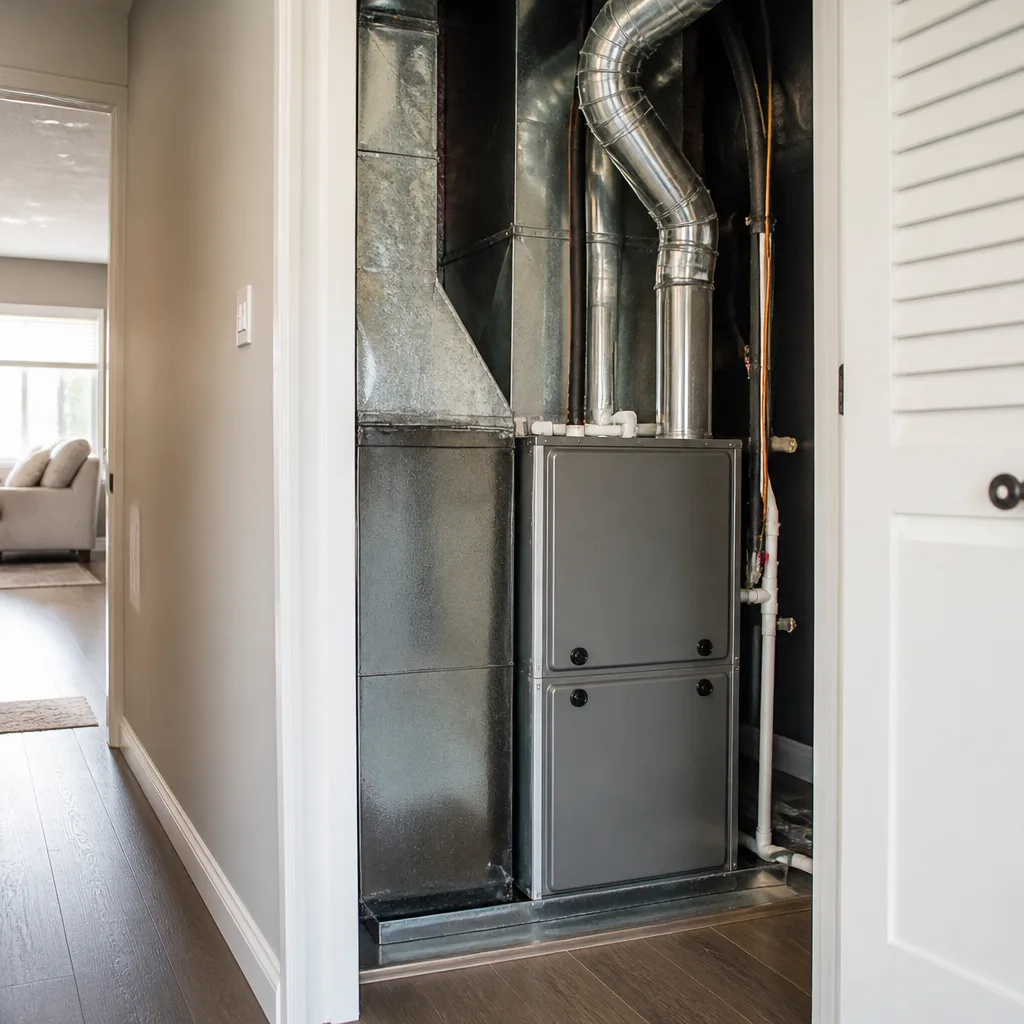 Furnace & heating
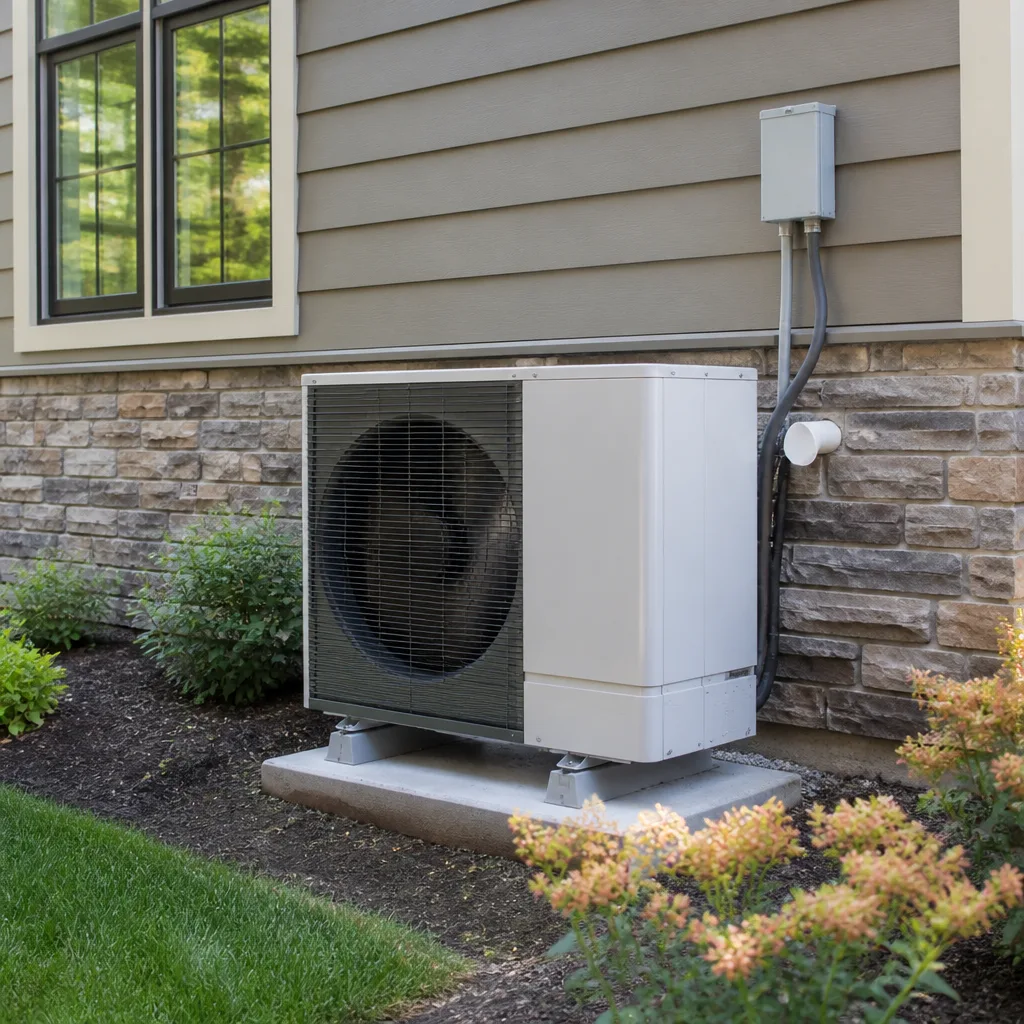 Heat pumps
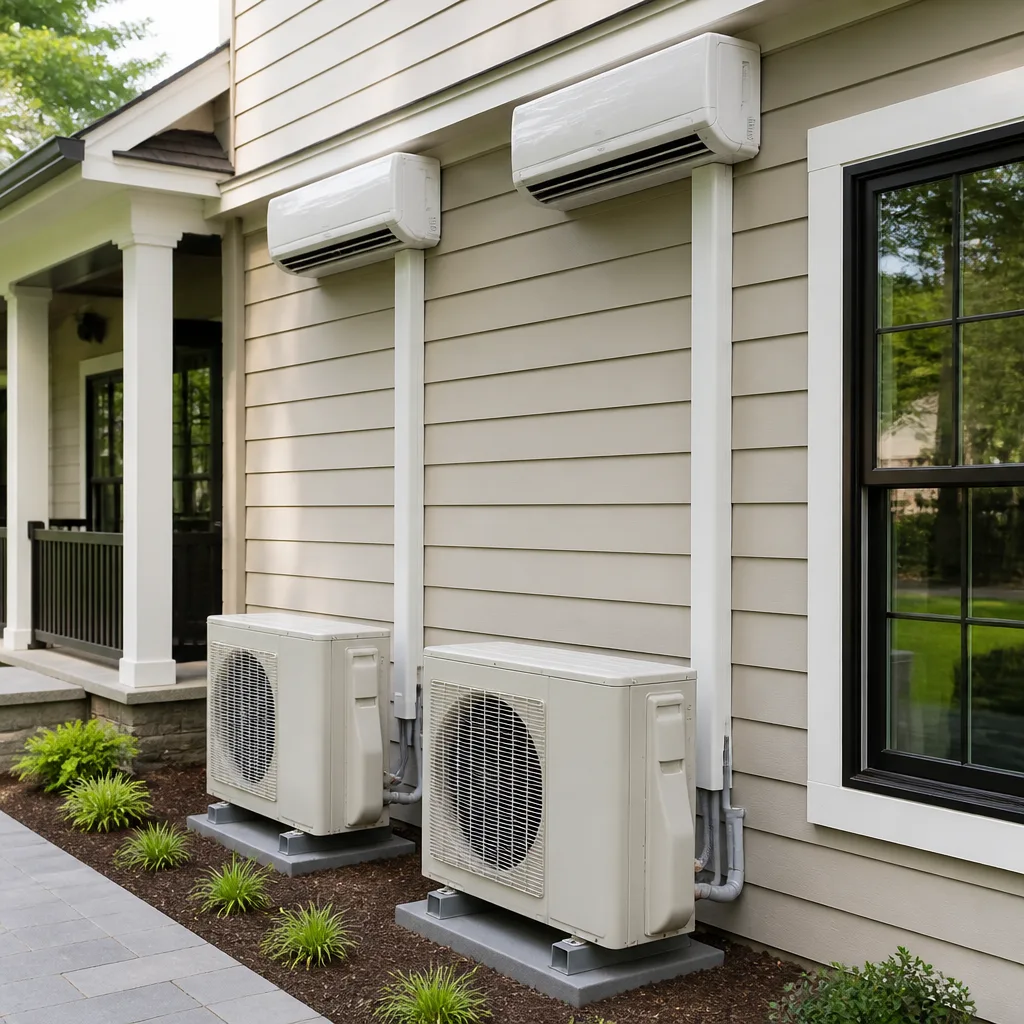 Ductless mini splits
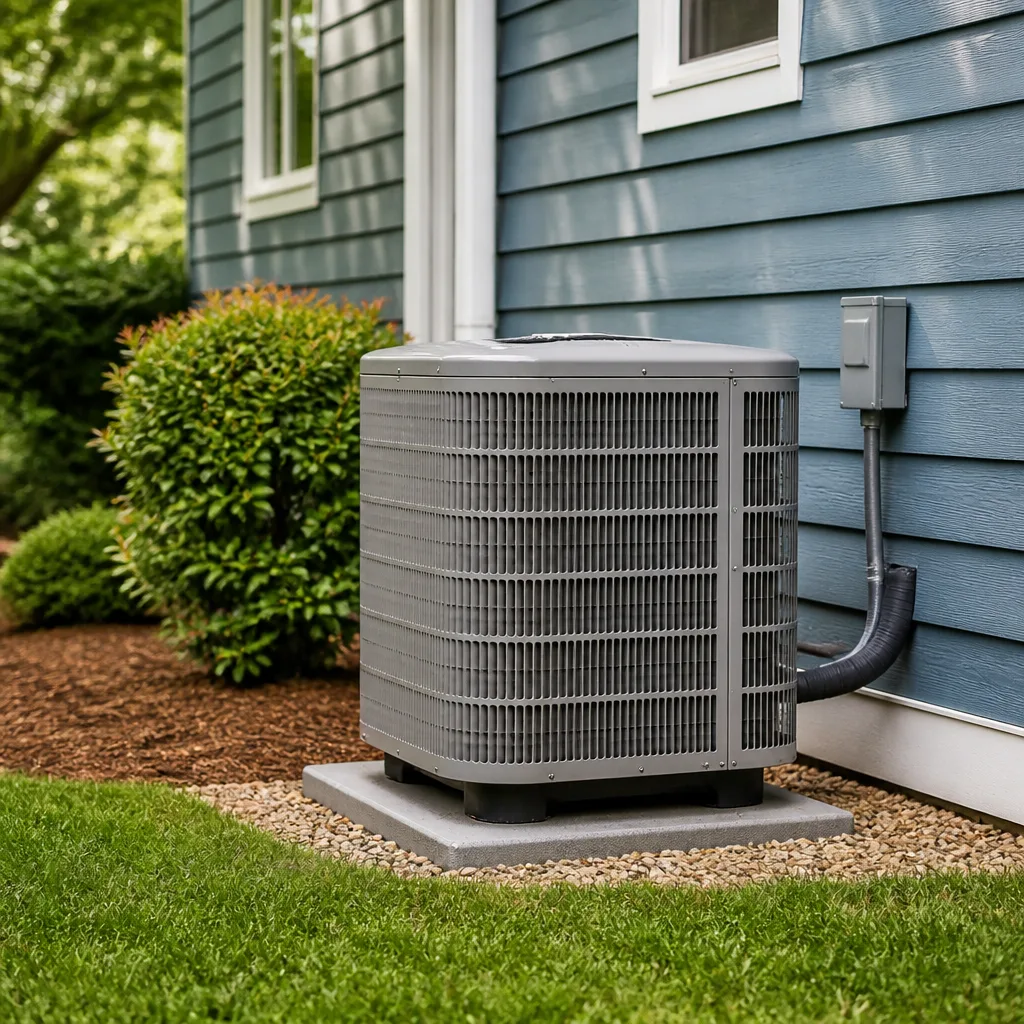 Carrier
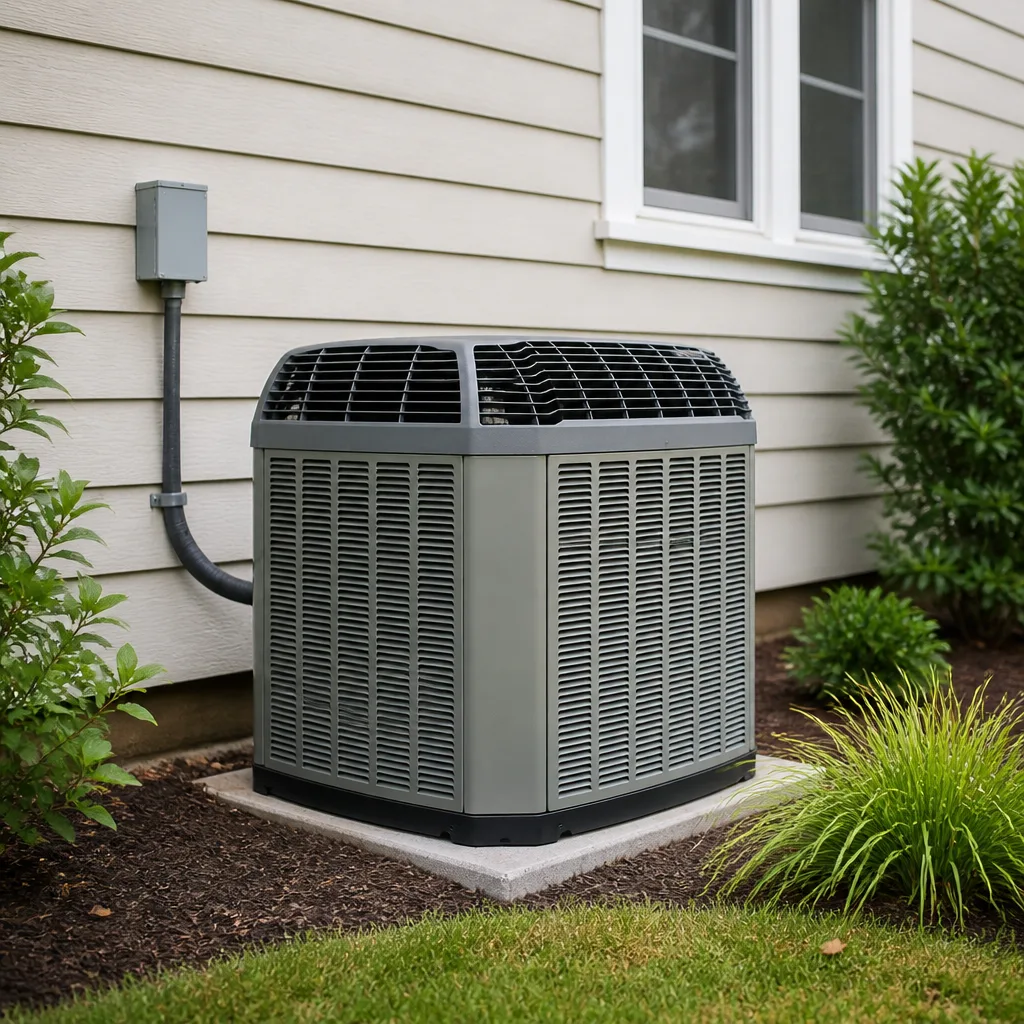 Trane
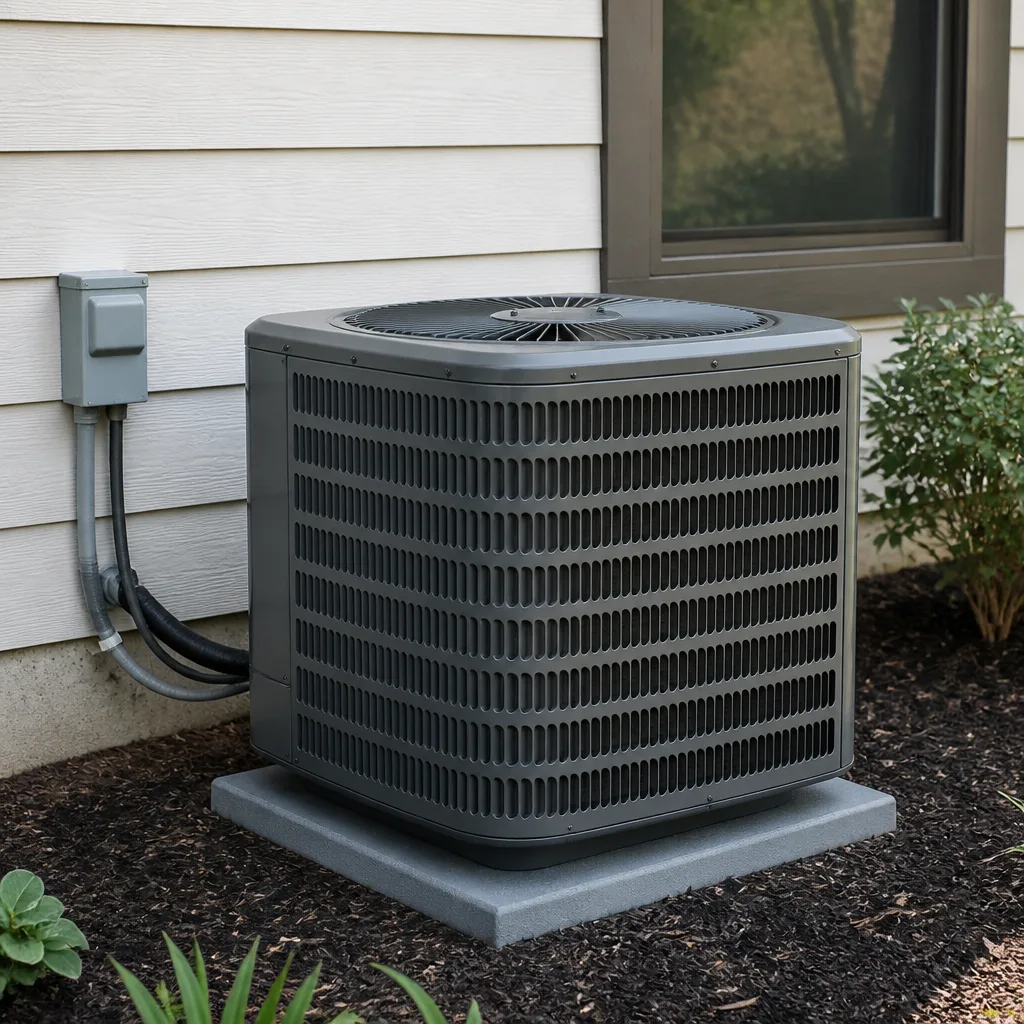 Goodman
Seasonal tune-up and full diagnostic on your Carrier, Trane, or Goodman system - readings shown to you before any repair is proposed
Diagnosis first, numbers second - you approve the repair price before a single part goes in.
Get your free estimateHVAC Warning Signs: A Gainesville Homeowner’s Reference Guide
The warning sign Gainesville homeowners dismiss most often is high indoor humidity. Most people treat sticky air as a comfort complaint and turn the thermostat down, when it’s usually a diagnostic signal: the system is oversized, undersized, or has lost capacity without ever failing outright. That distinction matters here. Humidity hangs in the air from spring through fall in Gainesville, and it hides refrigerant and airflow problems that would show up loud and obvious in a drier climate. A system that “seems fine” in October can be one June day away from a hard failure. This guide walks through the symptoms you can actually observe without tools, what each one points to, and when it’s genuinely time to call.
Quick Answer
The main HVAC warning signs in Gainesville are rising indoor humidity, short cooling cycles that run and stop every few minutes, water around the air handler or a musty smell near it, breaker trips, and a system that takes a long time to start. Each symptom narrows the problem down to one of three root causes: a refrigerant charge issue, a failing compressor, or restricted airflow. Knowing which category a symptom belongs to is what lets you decide whether to call a technician now or wait.
Styles & brands we work with
- AC repair
- Furnace & heating
- Heat pumps
- Ductless mini splits
- Carrier
- Trane
- Goodman
Table of Contents
- Humidity as a Warning Sign
- Refrigerant, Compressor, or Airflow: Telling Them Apart
- Short-Cycling in Gainesville Heat
- Condensate Line Warnings (Florida-Specific)
- Electrical Warning Signs
- Duct Leakage vs. Equipment Failure
- A Step-by-Step Monthly Check
- Repair or Replace? Reading the Signals
Humidity as a Warning Sign
When your indoor air stays clammy even with the AC running, the system is cooling the air but not removing moisture properly. That’s a capacity problem, and in Gainesville it’s the single most reliable early indicator that something is off.
Air conditioning removes humidity two ways: it pulls moisture out as air passes over the cold evaporator coil, and it keeps doing that for as long as the system runs. A system that cools the house in ten minutes and shuts off has barely had time to condense any water out of the air. So when humidity creeps up, technicians look at runtime before they look at the equipment itself. A unit that runs longer, steady, is doing its job. One that cycles quickly is cooling without drying.
What rising humidity usually points to:
- Oversized equipment. A system sized too large for the home cools fast and dries poorly. This is common in homes where a previous replacement was matched to square footage alone.
- Lost refrigerant charge. Low charge drops coil temperature and the coil stops pulling moisture out the way it should.
- Restricted airflow. A clogged filter or blocked return cuts the volume of air moving across the coil, which reduces dehumidification even when the house still feels cool.
- Duct leakage. More on this below, because it’s the misdiagnosis we see most in older Gainesville homes.
A cheap humidity gauge will tell you more about your system’s health than a thermometer will in this climate. If indoor relative humidity climbs and holds while the AC is running normally and the house still reaches temperature, treat it as a call-worthy symptom, not a chore to ignore.
Refrigerant, Compressor, or Airflow: Telling Them Apart
Almost every cooling complaint in Gainesville traces back to one of three root causes. You can sort them out at home by watching the symptoms, and that saves a technician a diagnostic step.
Here’s how the symptoms separate:
Refrigerant charge problem
- The house doesn’t reach the thermostat setting on a hot day, and it gets worse over weeks rather than all at once.
- The air coming out of the vents is cool but not cold, and it feels wet.
- The outdoor unit runs almost constantly.
- You may see frost or condensation on the small copper line at the outdoor unit.
- Humidity indoors rises even though cooling continues.
Failing compressor
- The outdoor unit hums then shuts off, or trips the breaker.
- The unit starts, runs a few seconds, and stops with a clunk.
- The outdoor fan runs but the unit blows warm air.
- You may hear a louder-than-usual grinding or rattling sound.
- The house never cools even though the indoor blower runs fine.
Airflow restriction
- One or two rooms stay warm while the rest of the house is fine.
- The blower is quiet or the vents feel weak.
- The air filter looks loaded with dust.
- The system runs longer than usual but cools only some rooms.
- Humidity climbs and cooling drops together.
Notice the overlap: humidity rises in all three. That’s why humidity alone doesn’t point to a cause. But if the vents are weak and only some rooms are warm, you’re looking at airflow. If the whole house is warm and the outdoor unit runs nonstop, it’s charge or compressor. If the outdoor unit is tripping a breaker, a failing compressor or a bad capacitor is the more likely culprit. This is where our technicians start on a Gainesville call, because a competent diagnosis here decides whether you’re facing a simple repair or a replacement conversation.
Short-Cycling in Gainesville Heat
Short-cycling is the system turning on, running a short time, and turning off again, repeating the cycle. In Gainesville’s long cooling season this is more damaging than in a mild climate, because each start cycle pulls a surge of current and stresses the compressor, the most expensive component in the system.
What a short cycle looks like and sounds like:
- The system runs for two to five minutes, then shuts off for a similar stretch, and repeats steadily.
- You hear a click from the thermostat, then the blower ramps up, then it stops. The pattern is regular, not random.
- The outdoor unit restarts frequently, each time drawing a heavy current spike.
- The house hovers a degree or two above the thermostat setting and doesn’t recover.
- The indoor humidity stays high because the system never runs long enough to dry the air.
What causes it, in order of frequency:
- Oversized equipment. A unit too large for the home cools too fast and stops early. A load calculation would have caught it. This is the most common reason a newer system short-cycles in a Gainesville home that the old unit handled fine.
- A restricted filter or blocked coil. The system runs until the coil can’t absorb more heat, trips a safety, and shuts down.
- Low refrigerant. The system gets cold, ices the coil, and shuts off on a low-pressure safety.
- A failing capacitor or contactor. The compressor drops out mid-cycle and restarts once the component cools or resets.
- A miswired or miscalibrated thermostat. Rarely the cause of a true short cycle, but worth ruling out.
Because the compressor takes the hit on every restart, short-cycling that’s left alone tends to end in a compressor failure rather than a small repair. If you count more than about a dozen start-stop cycles in an hour on a hot afternoon, that’s your signal to call.
Condensate Line Warnings (Florida-Specific)
Your air handler pulls gallons of water out of Gainesville’s humid air every day of the cooling season. That water leaves through the condensate drain line, a simple pipe that clogs more than almost any other part of the system. Here’s how to read the warnings and where the line between a homeowner fix and a technician call actually sits.
The three warnings to watch for:
Overflow or pooled water near the air handler
Water on the floor or in the emergency drain pan means the primary condensate line is clogged. Many systems have a float switch that shuts the unit off when the pan fills, which is why a system that stops cooling for no obvious reason sometimes traces back to condensate. Clearing a simple clog at the drain trap or the outdoor discharge point is a reasonable homeowner job if you can reach the line safely. If water has reached finished drywall or flooring, call a technician and shut the system off at the thermostat.
Musty odor near the air handler or vents
A sour or musty smell that shows up when the blower runs usually means standing water in the drain pan or a coil that’s stayed wet. In a humid climate, a system that’s slightly short on drain flow and stays wet between cycles will smell. This is not a homeowner fix. Condensate sitting in the system invites biological growth on the coil, and that’s a technician call.
Rust or scale in the drain pan
Rust in the pan is a sign the pan has been wet long enough to corrode, or that the drain has been slow for a season or more. A rusty pan should be inspected. Left alone, a pan that rusts through will leak every cycle until it soaks the surrounding space. This is a technician call, not a homeowner repair.
Shut the system off and call if water is pooling where it can reach drywall, flooring or stored items. If the system has stopped cooling and you can’t find an obvious cause, the condensate float switch is one of the first things to check, but leave the repair to a technician and book a visit. Fast dispatch runs from 7am to 7pm Sunday through Friday for these calls.
Electrical Warning Signs
An HVAC electrical problem is one of the genuinely dangerous parts of this trade, and a compressor or capacitor circuit is not a homeowner repair. A capacitor can hold a charge after the power is off, and a guess made on a live circuit can injure you. We list the symptoms so you can recognize them and call, not so you can open the panel.
Five warning signs to know:
- A breaker that trips repeatedly. If the breaker for the air handler or outdoor unit trips and you reset it, then it trips again in the same day or week, the circuit is telling you something. Resetting it repeatedly doesn’t fix the problem; it just gives the component another chance to fail. Stop resetting and call.
- A start delay. The thermostat clicks, the outdoor unit hums, and then starts a few seconds later. A longer-than-usual delay is often an early sign that the start capacitor is losing strength. It’s a small part with a big job, and it’s worth checking before it fails for good on a 95-degree afternoon.
- Humming that doesn’t become running. The compressor hums, the fan spins, but the system doesn’t cool. That’s often a compressor trying to start against failure, and every attempt stresses it further. Shut it off at the breaker if it’s safe and call.
- Buzzing, burning smell, or scorch marks. Any of these is a stop-now signal. Shut the breaker off and call. Don’t wait for the breaker to do it for you.
- A capacitor that’s visibly bulging or leaking. If you’ve had the cover off for a filter change and you see the round capacitor housing puffed or leaking oil, don’t touch it. Call.
What homeowners dismiss most often here is the repeated breaker trip, treated as an inconvenience instead of a symptom. In our experience, a breaker that trips three times in a month is a capacitor, a contactor, or a failing compressor, in that order of likelihood. Diagnosing which is a technician job with a meter, and the difference determines whether you’re looking at a modest repair or a bigger decision.
Duct Leakage vs. Equipment Failure
A significant share of “the AC isn’t working” calls in older Gainesville homes trace back to duct leakage rather than a failing unit, and the symptom that gives it away is uneven humidity combined with uneven cooling.
Here’s why: a duct system that leaks into an attic or crawl space pulls in hot, humid outside air through the same gaps. The equipment is running fine. The air reaching the rooms is diluted with moisture, and some rooms get less of it. Homeowners read this as a weak system and start shopping for a new unit. Replacing a healthy unit to solve a duct problem is the most common misdiagnosis we correct.
How duct leakage presents vs. equipment failure:
- Some rooms are consistently warmer and more humid than others. That pattern points to ducts, not equipment.
- Humidity rises in the parts of the house at the ends of the duct runs. Equipment failure would raise humidity in the whole house.
- The system runs steadily and keeps running. It’s working harder to compensate for lost air.
- The house cools at night and fails in the heat of the day. The equipment is trying to cover a load that includes uncontrolled air coming through duct leaks.
- Dust near supply registers. Dirty air moving through leaks in the return or supply side often settles near the vents.
- A musty or attic smell at some registers but not others. That’s air moving through the attic or a wall cavity through a leak.
The distinction changes what you buy. A technician will check refrigerant charge, airflow and duct performance before recommending equipment. We work across brands from Goodman and Rheem through premium efficiency units, so we’re not tied to a single manufacturer’s replacement sale. Repair or replace is a question with two honest answers, and duct leakage is a case where the right answer is usually neither.
A Step-by-Step Monthly Check
Most HVAC failures that surprise Gainesville homeowners gave a warning weeks earlier. This monthly walkthrough catches the majority of them.
- Check the air filter. Pull it out and hold it to the light. If you can’t see light through it, change it. In Gainesville homes that stay closed with the system running most of the year, a filter can load in a matter of weeks.
- Watch a full cooling cycle. Note how long the system runs before it stops and how long the pause lasts. A run of two to five minutes followed by an equal pause is short-cycling.
- Listen to the outdoor unit’s start. A normal start is a quick fan whoosh and compressor hum. A delay, a hum that hangs, or a click-then-clunk is worth writing down.
- Put a hand near two or three supply registers. Compare airflow side to side. Weak airflow in some rooms and strong in others is an airflow or duct signal.
- Look at the drain pan and the area under the air handler. Any standing water, rust, or dampness is a condensate signal.
- Feel the air for humidity. If the house reaches temperature but the air still feels clammy, that’s a dehumidification problem rather than a cooling one.
- Check the breaker panel for any trip. A trip you didn’t reset is one you didn’t notice. Note it.
- Smell the air at the supply registers. A musty note that wasn’t there last month is worth a call.
Track what you find, even in a note on your phone. A technician working on your system can do more with a pattern of symptoms than a single snapshot. It’s also what makes a free estimate useful; the more specific your description, the more directly the technician can size up the system. If two or more items on the list come up with a fault, that’s your cue to schedule a visit rather than wait for it to fail.
Repair or Replace? Reading the Signals
When the symptoms point to a big repair, the decision isn’t purely financial. In a place like Gainesville, where the cooling season runs long, a system that’s limping into summer carries more risk than the sticker price suggests.
Signals that a repair is the right call:
- The symptom is a single failure with a clear cause, like a bad capacitor, a clogged drain line, or a dirty coil.
- The system otherwise holds an even temperature and controls humidity.
- The repair cost is modest relative to the equipment’s remaining life.
Signals that replacement is worth a real conversation:
- A compressor failure on a system that’s already near the end of its typical service life.
- Repeated repairs on the same component, like two capacitors or a second compressor.
- Short-cycling that a load calculation shows is due to oversizing, not a repairable fault.
- Humidity problems that persist after condenser, drain and duct checks have all been addressed.
What matters more than the dollar comparison is diagnosis. Our technicians work both heating and cooling, repair and AC installation, so the recommendation on your system is made by the same team that would do the install. We’ll say which one makes sense. If replacement is the answer, ask for a load calculation; a system sized to the house rather than the square footage settles most of the warning signs in this guide.
Common Mistakes to Avoid
- Treating high humidity as a comfort complaint. In a Gainesville home, sock-damp air with the AC running is a capacity signal. Waiting until it turns into a full failure costs more than the diagnosis would have.
- Resetting a tripping breaker and moving on. The trip is the system’s way of telling you a component is failing. It won’t fix itself, and the next trip may be the one that takes the compressor with it.
- Buying a new system to solve a duct problem. Uneven rooms and uneven humidity point to ducts before they point to equipment. Get the duct system checked before you shop for equipment.
- Mixing brand restrictions into the decision. A tech who only services one brand will sometimes steer you to a replacement because the repair is “outside” their capability. We work across Goodman, Rheem, York, Daikin and the other major brands, so we don’t have a reason to say no to a repair that makes sense.
- Skipping the filter change in months when the house is closed. Gainesville homes stay sealed through the humid months more than owners realize, and a filter that looks fine in March can load heavily by June.
- Ignoring the outdoor unit’s start delay. A start delay is an early electrical sign, not a harmless quirk. It’s cheap to check and expensive to ignore.
- Waiting for full failure before the first call. Nearly every warning sign in this guide is cheaper to fix the first time you notice it than it is the week after the compressor fails.
One more: don’t diagnose over the phone by description alone. Symptoms that sound like low refrigerant can be airflow, and the reverse. A short technician visit with a meter and a set of pressure readings beats a year of guessing.
See the difference
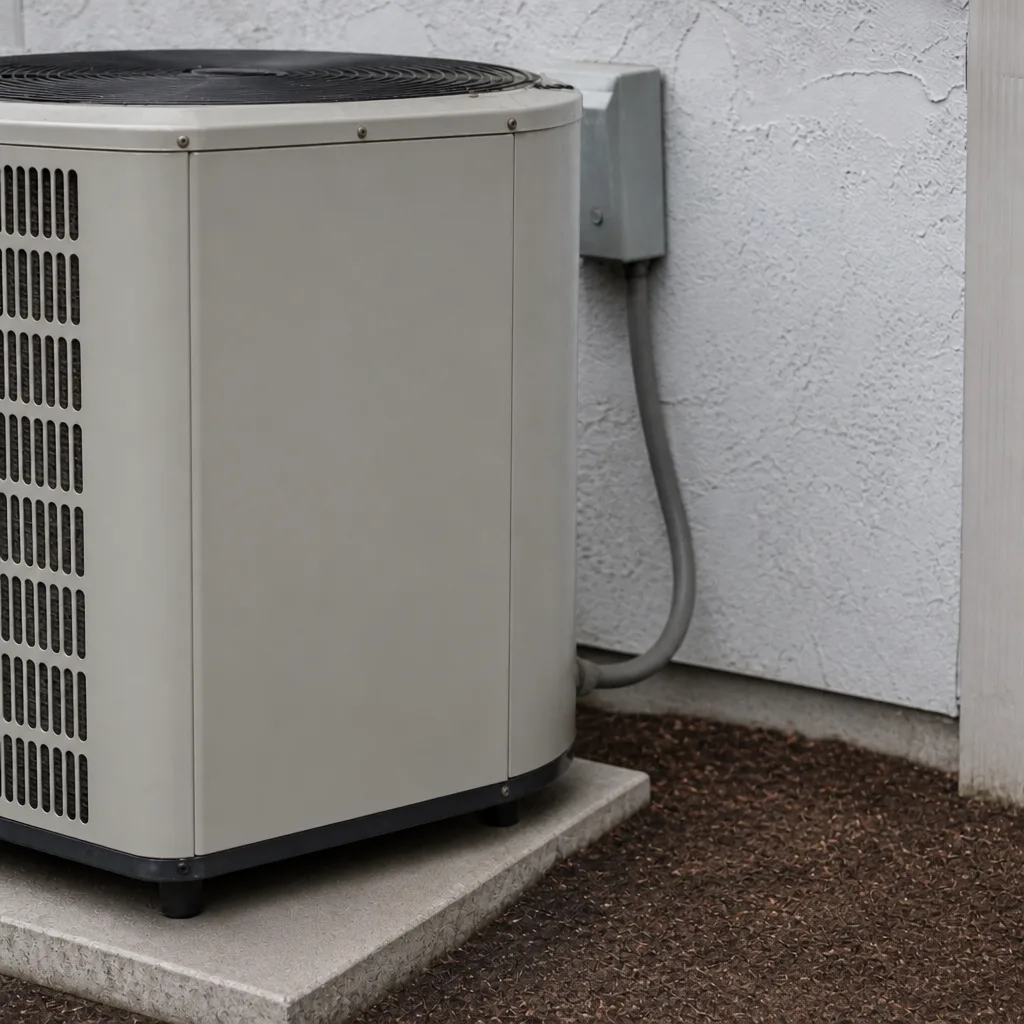
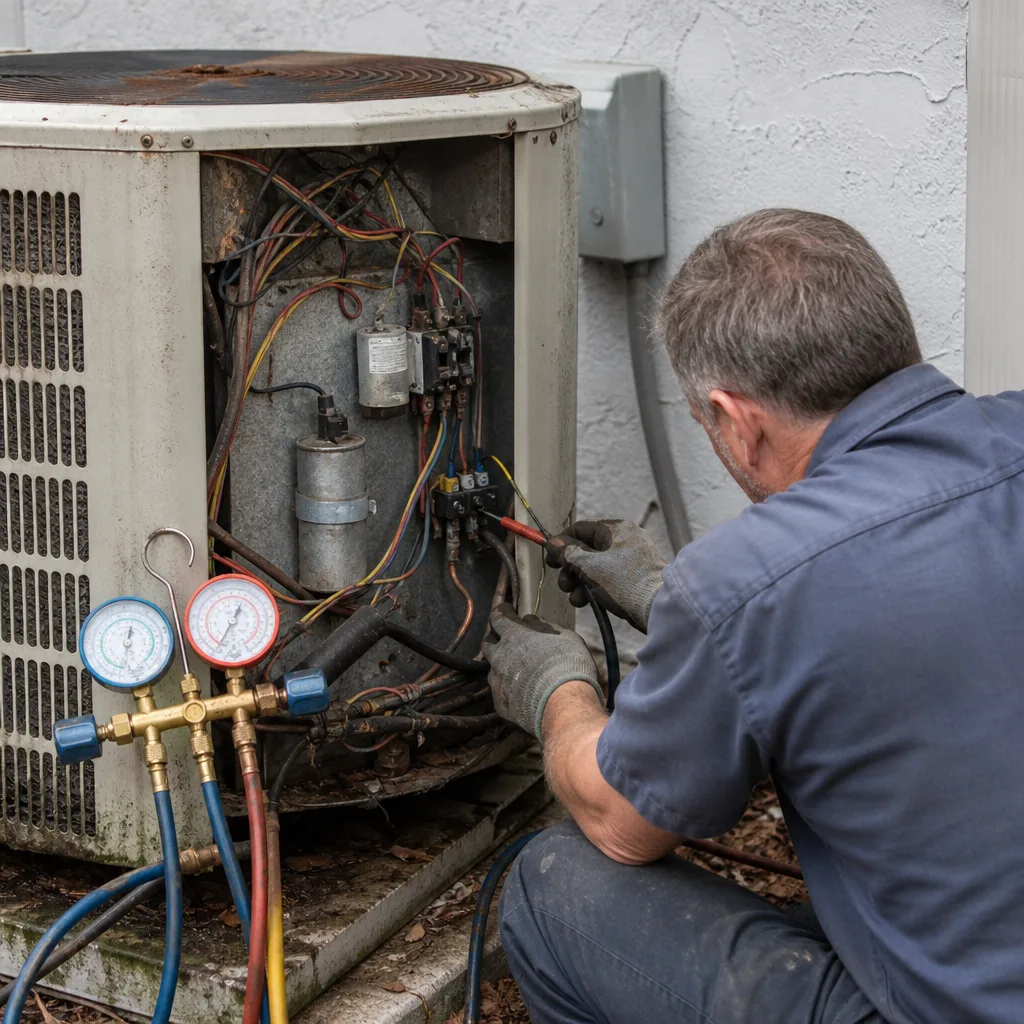 Before
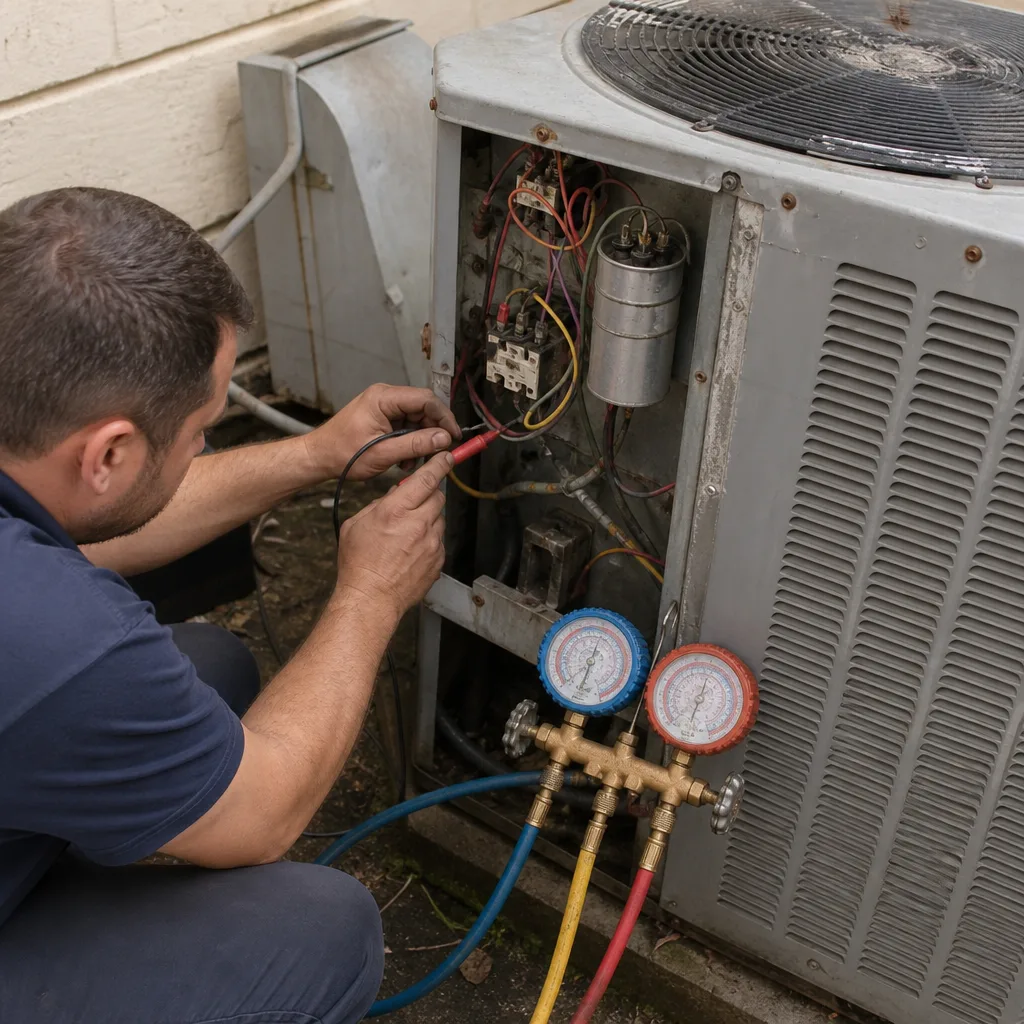
 After
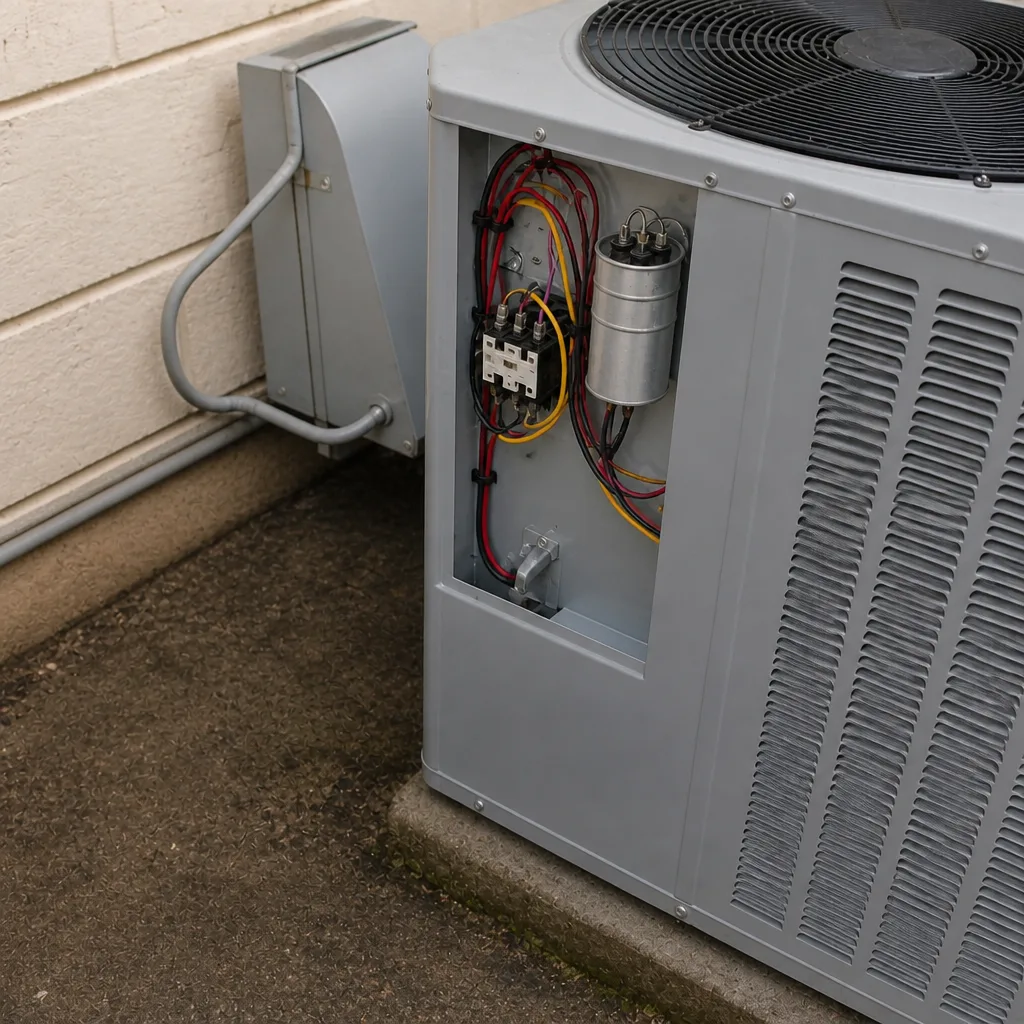
 Before
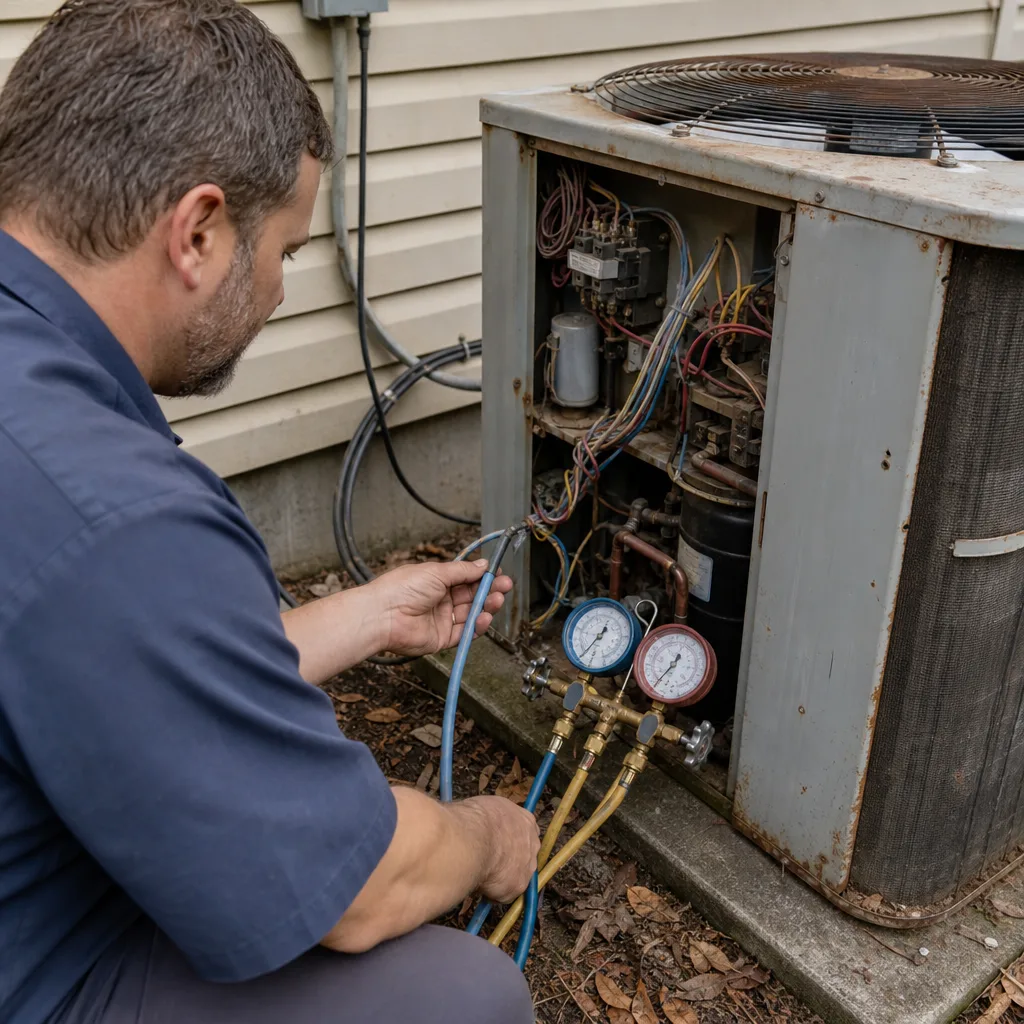
 After
 Before
 After
When to Call a Professional
Call a professional for any symptom that involves electrical components of the system, refrigerant circuits, or a compressor. That covers breaker trips, humming that doesn’t become running, burnt smells, and any repair that involves opening the outdoor unit’s electrical panel. Call for standing water near the air handler, a musty smell at the vents, and a compressor that stops and restarts during a cooling cycle. Call for a system that stops cooling entirely, a thermostat calling for cooling with no cold air at the registers, or a house that can’t hold temperature during a hot Gainesville afternoon.
For everything on that list, AC Repair Gainesville offers free estimates, and we work on virtually any system you already own, Carrier and Trane through Goodman and Rheem. We handle both furnace repair and cooling, so the same team covers the full system. Call (844) 223-9427. We answer 24/7. Fast dispatch from 7am to 7pm, Sunday through Friday.
Frequently Asked Questions
Rising indoor humidity is usually the first sign a cooling system is losing capacity, because it shows up before the house stops reaching temperature. In Gainesville, the system can feel like it’s cooling fine while it’s quietly failing to remove moisture. Call (844) 223-9427 for an exact diagnosis; estimates are free.
Yes. Low refrigerant drops the evaporator coil below its normal operating temperature and reduces how much moisture the coil pulls out of the air. The house still cools but the air feels wet and clammy. That combination is one of the most reliable signs of a charge problem, and it’s a technician diagnosis, not a homeowner check. Call (844) 223-9427 to have it looked at.
Yes, because the cooling season here is long and each start cycle surges current into the compressor. The compressor is the most expensive part in the system, and repeated restart stress is what tends to end its life early. Count how often the system starts and stops on a hot afternoon; if it’s more than about a dozen cycles in an hour, call (844) 223-9427 and note the pattern.
Reset it once, then stop if it trips again. A repeated trip means a component, likely a capacitor, contactor or compressor, is failing, and resetting gives it another chance to fail harder. It’s also an electrical hazard, and a capacitor can hold a charge after power is off. Call (844) 223-9427; we’ll bring a meter and find the actual cause.
It’s urgent if the water can reach drywall, flooring or stored items; shut the system off at the thermostat and call. If the water is contained in the emergency pan and hasn’t spread, you have a little more time, but don’t ignore it. Most of the time it’s a clogged condensate line, and clearing it is a technician job on a Gainesville system. Call (844) 223-9427.
If some rooms are warm and humid while others are fine, duct leakage is the more likely cause. If the whole house is humid, the problem is more likely in the equipment or the charge. That distinction decides whether you’re looking at a duct repair or a system repair, which is why we check both before recommending anything. Call (844) 223-9427 and we’ll sort it out.
The Bottom Line
Most HVAC failures in a Gainesville home announce themselves weeks before they turn into a no-cooling call. High indoor humidity, short-cycling, water at the air handler, a musty smell, a breaker trip, or a slow start all point to something specific, and reading those signals early is what turns an emergency into a scheduled repair. The three root causes behind nearly every symptom are refrigerant charge, compressor health, and airflow; sorting symptoms into those buckets is what makes the diagnosis fast. A duct leak that looks like equipment failure is worth catching before you shop for a system. Repair or replace is a decision to make on condition, not on a hunch.
If a warning sign on this list is showing on your system, don’t wait for it to fail. AC Repair Gainesville handles heating and cooling, repair and replacement, on the major brands you already own. Call (844) 223-9427 for a free estimate. We answer 24/7. Fast dispatch from 7am to 7pm, Sunday through Friday. Homeowners across Gainesville count on us for diagnosis, repair and AC repair in Gainesville, and for the honest answer on whether a repair is the right call.
Written by the team at AC Repair Gainesville.