
Last updated November 15, 2026
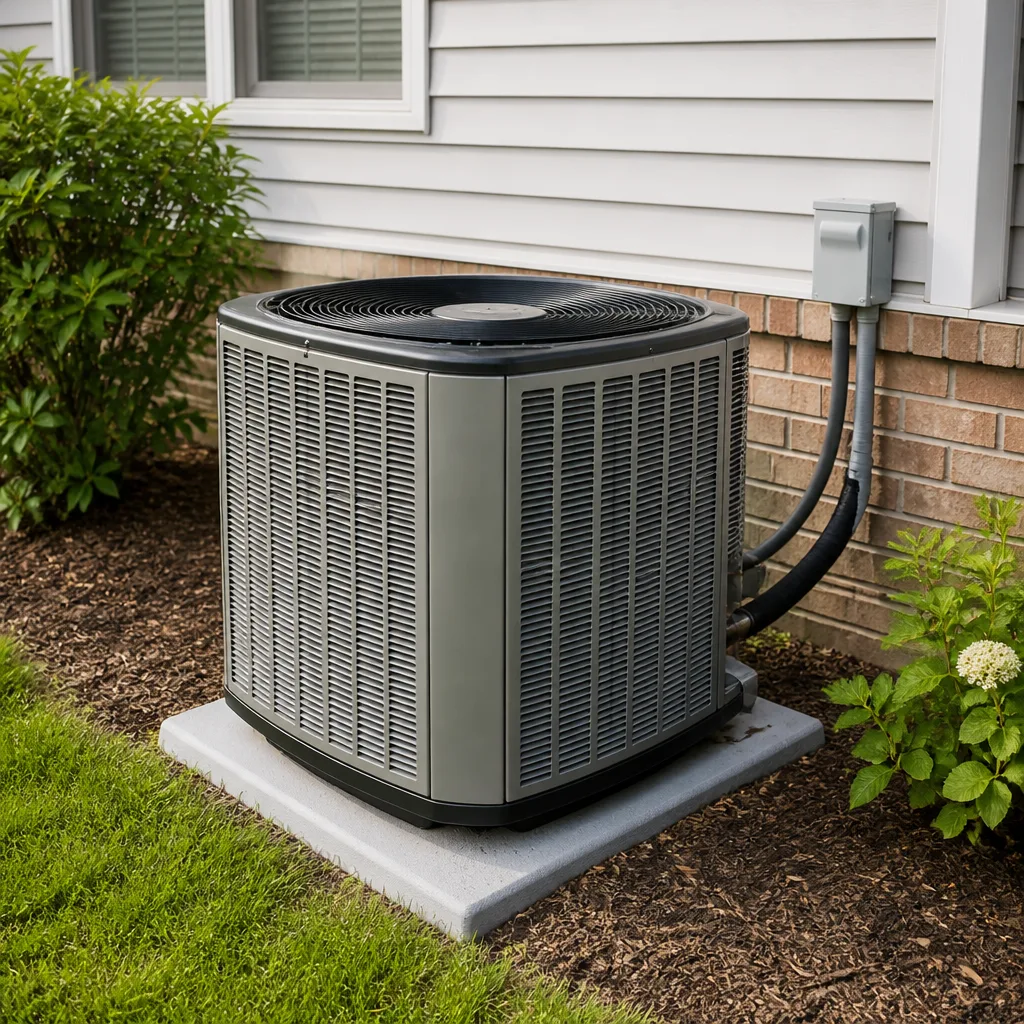 AC repair
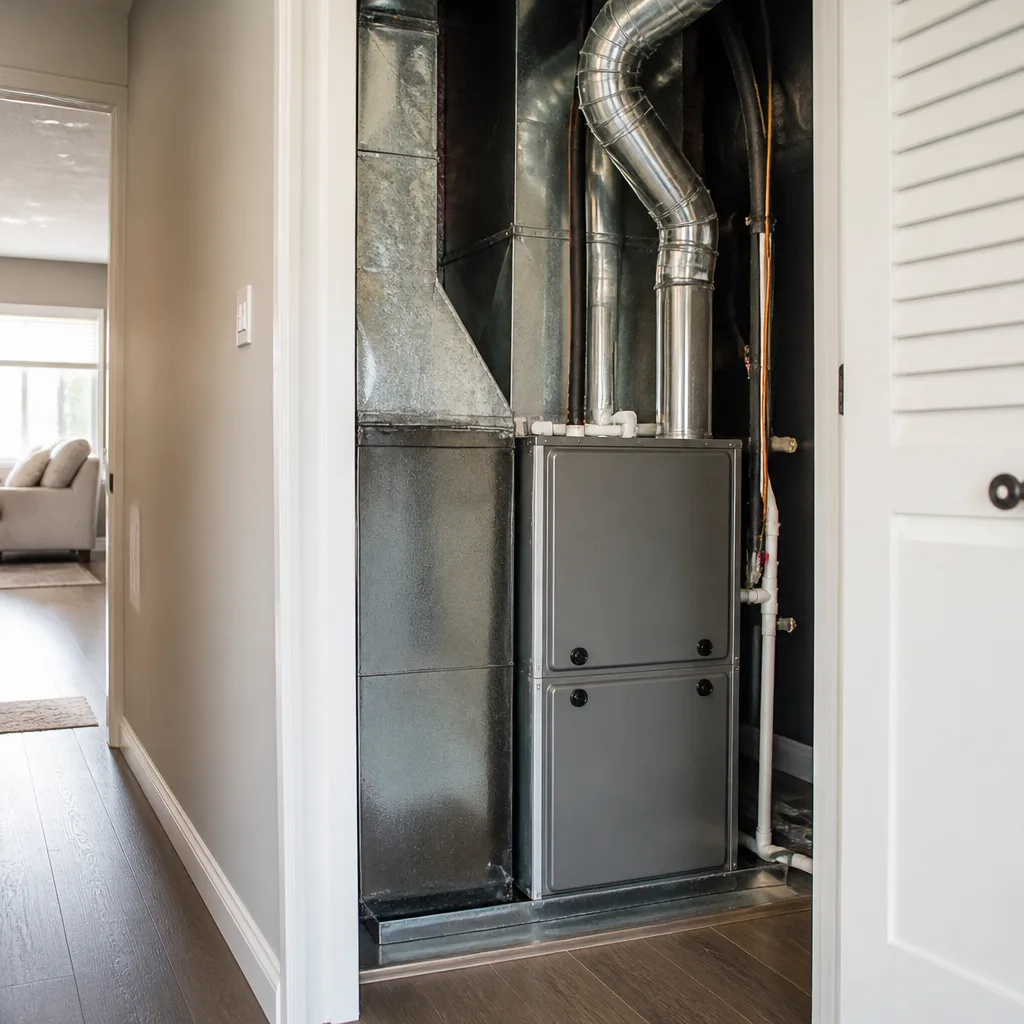 Furnace & heating
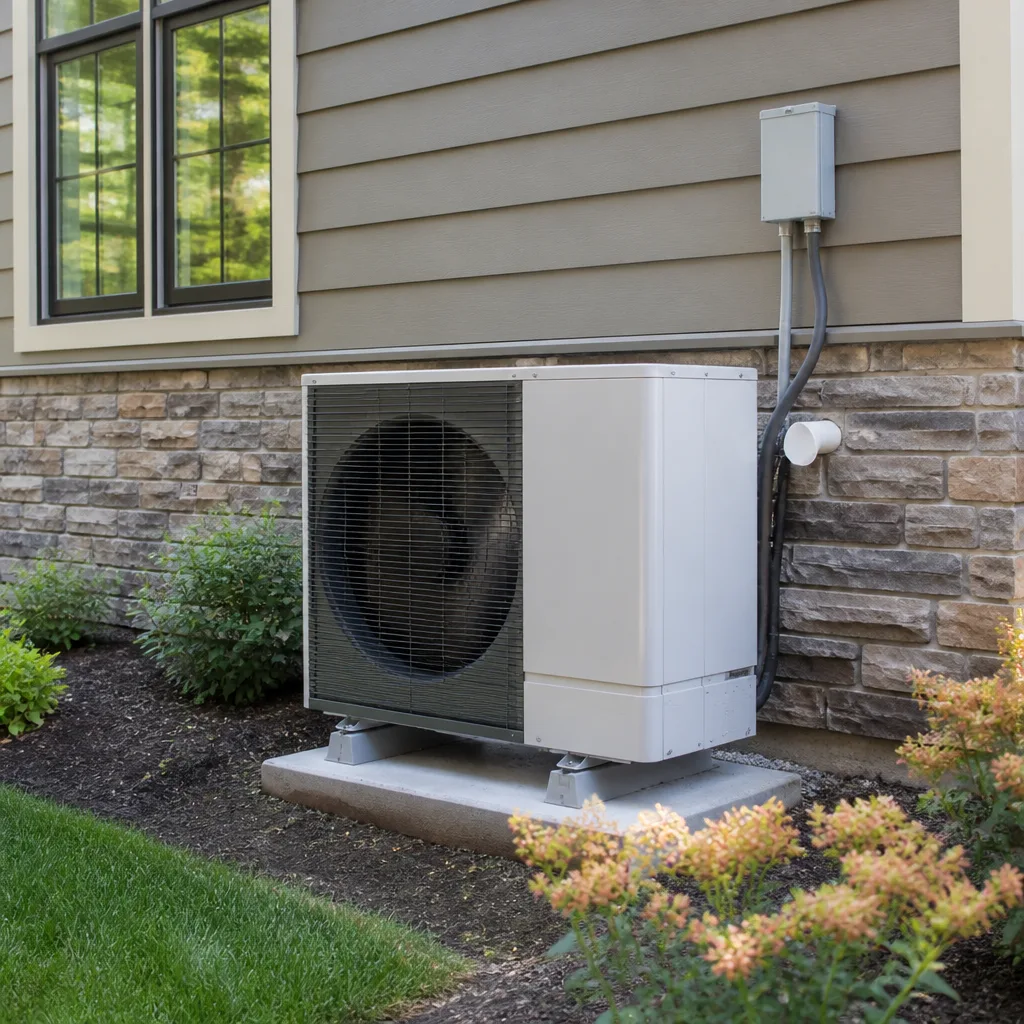 Heat pumps
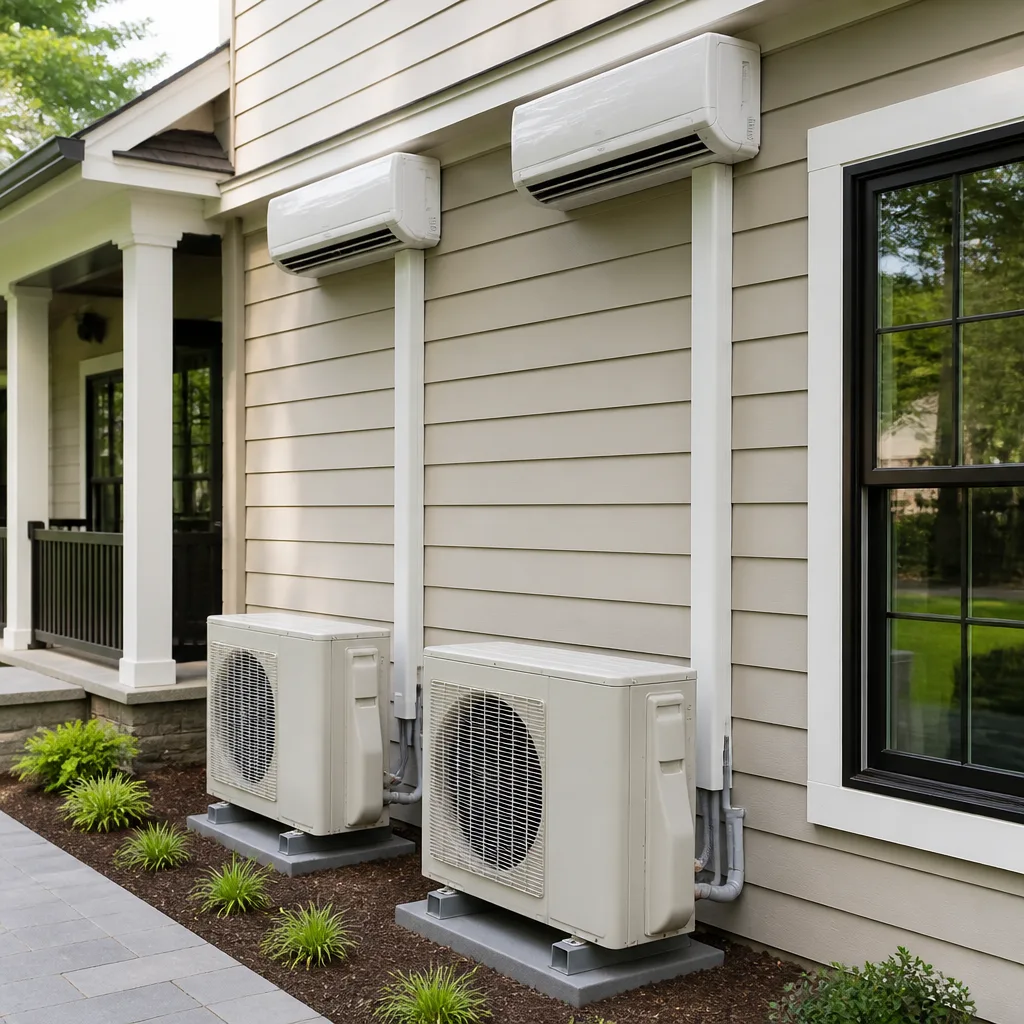 Ductless mini splits
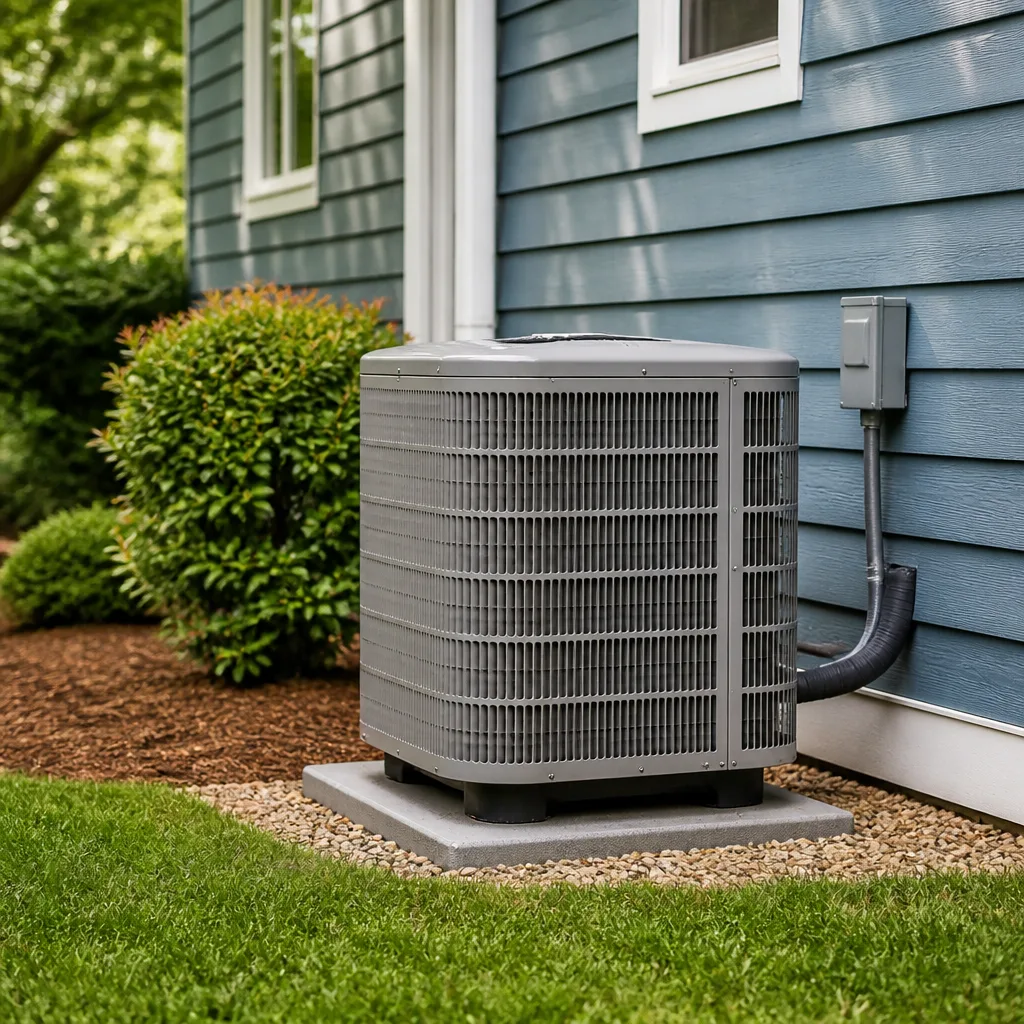 Carrier
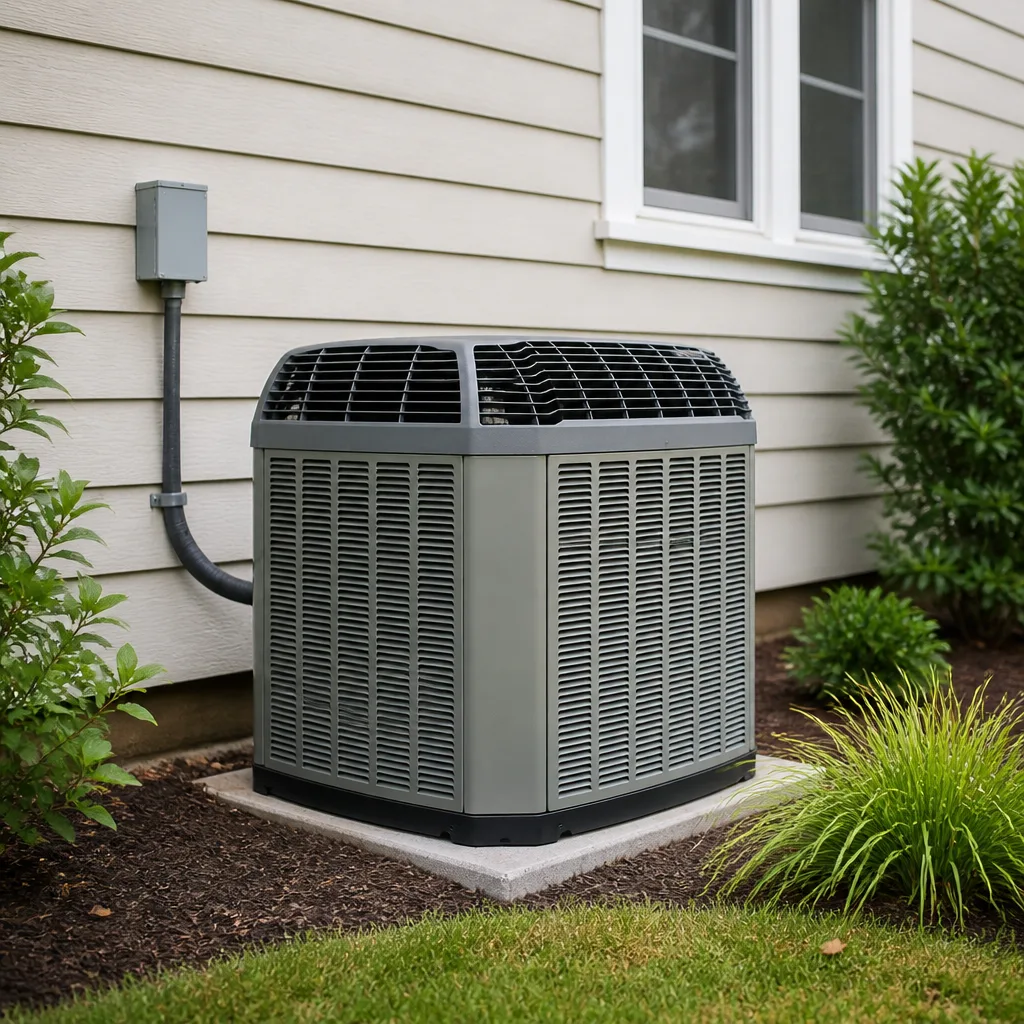 Trane
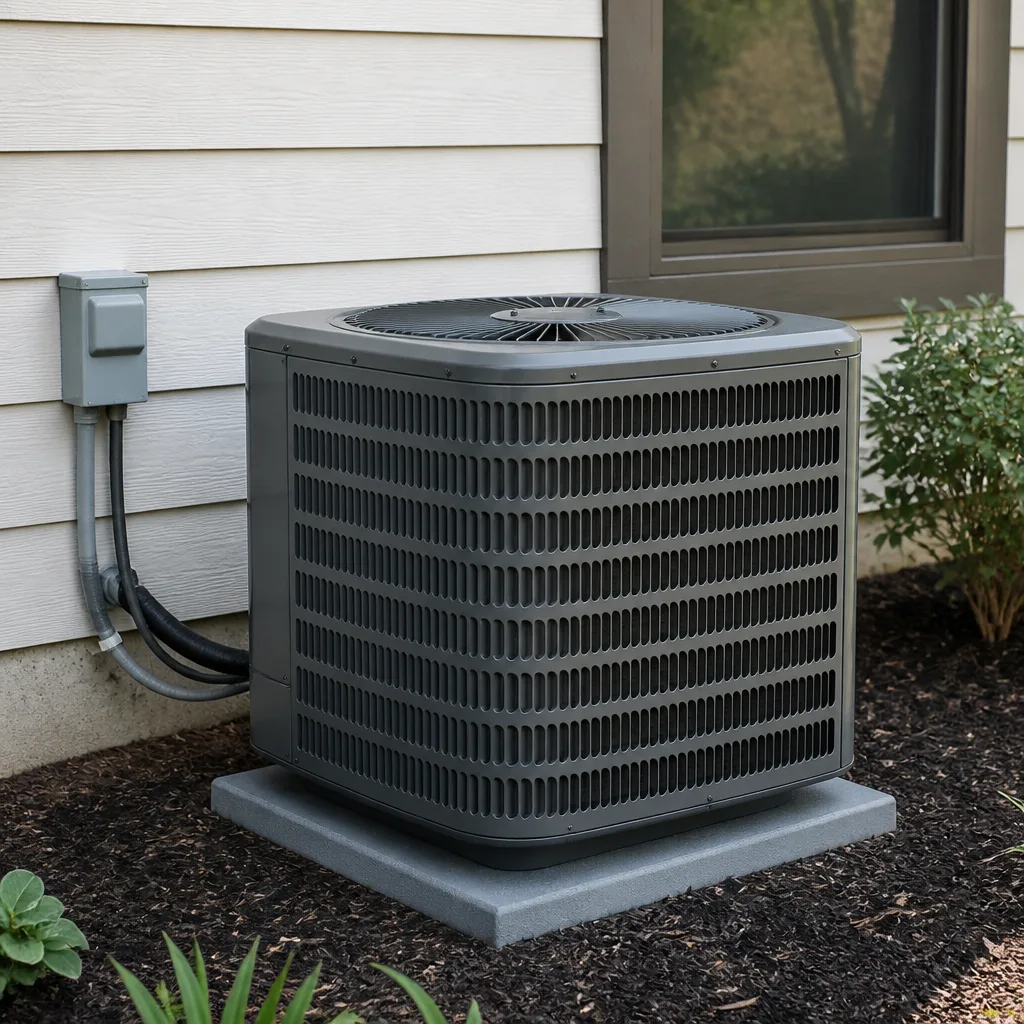 Goodman
Seasonal tune-up and full diagnostic on your Carrier, Trane, or Goodman system - readings shown to you before any repair is proposed
Diagnosis first, numbers second - you approve the repair price before a single part goes in.
Get your free estimateSeasonal HVAC Care for Gainesville: Year-Round Homeowner’s Guide
Most HVAC maintenance calendars are written for a place with four distinct seasons, and Gainesville doesn’t have them. What we have is a long cooling season that runs from roughly April through October, a short and gentle winter, and two narrow transition windows in between where the weather can turn either direction within a week. That shape changes everything about how you should care for a system. Skip the fall check and you may not notice until a cold snap in January. Skip the spring prep and the first real heat wave in June will expose it. This guide walks through what to do at each point in the Gainesville year, what you can handle yourself, and when it’s worth bringing in a technician.
Quick Answer
Seasonal HVAC care in Gainesville revolves around two preparation windows – April before the cooling season and November before the heating season – plus a set of rainy-season tasks in between. The April checklist matters most because a Gainesville system runs seven months under load; skipping it shortens equipment life. The November check is the most neglected and prevents cold-snap failures. Everything else, from filter changes to condensate drain clearing, fits around those two anchors.
Styles & brands we work with
- AC repair
- Furnace & heating
- Heat pumps
- Ductless mini splits
- Carrier
- Trane
- Goodman
Table of Contents
- Why Gainesville’s Climate Breaks the Standard HVAC Calendar
- The April Pre-Season Checklist
- November: The Most Neglected Maintenance Month
- Rainy Season Tasks: Drainage, Humidity, and Mold Prevention
- Maintenance Contract or Self-Managed: An Honest Comparison
- The Cost of Skipping Seasonal Care in Gainesville
- Common Mistakes to Avoid
- When to Call a Professional
Why Gainesville’s Climate Breaks the Standard HVAC Calendar
A typical maintenance guide assumes a system gets a break. It runs hard in summer, rests in shoulder season, then works in winter. In Gainesville the summer workload doesn’t ease until sometime in October, and even then the system may run sporadically through November. That’s seven months of sustained operation, sometimes more. The wear pattern is different from a northern climate where equipment cycles on and off constantly but rarely stays on.
That has two practical consequences. First, filters load up faster here because the system is pulling air through them for more hours of the year. Second, the coil that lives inside your air handler spends more time wet. Moisture plus heat plus time is the recipe for biological growth on the coil surface, which is why coil cleaning matters more here than in dry climates. Without routine cleaning, airflow drops incrementally and the system works harder to do the same job.
Gainesville also sits in a band where the transition between cooling and heating can happen in a single week. One day in late November you’re running AC, and three days later the heat runs overnight. If the heating side has sat unused since February, that sudden switch is when dormant problems surface. A blower that hasn’t spun in nine months, a flame sensor that’s coated with dust, or a capacitor that’s aged quietly can all fail on the first cold call.
The practical answer is two maintenance anchors per year, not four. April and November do the heavy lifting. Everything between is smaller, ongoing attention. If you’re in the middle of a repair decision right now, our AC Repair Gainesville page covers what to expect from a service call and how diagnosis works. But if you’re planning ahead, keep reading – the value is in the sequencing.
What “shoulder season” actually means here
Most Gainesville homeowners experience true shoulder season for about three weeks in the spring and three weeks in the fall – a stretch where neither heating nor cooling runs much. That window is short. It’s also the ideal time to do anything that requires the system to be off, including coil cleaning, condensate line flushing, and a full inspection. Miss it and you’re doing those tasks under load, which is harder and more expensive.
The April Pre-Season Checklist
April is the single most important maintenance month on the Gainesville calendar. The system is about to start a run it won’t end until fall, and the work done in this window determines how well it performs through peak July load. There are three tasks that matter more than the rest.
Coil cleaning after oak pollen season
Gainesville’s live oaks drop pollen in late winter and early spring, and that pollen finds its way into return air. It settles on the evaporator coil, mixes with condensation, and forms a film that insulates the coil from the air it’s trying to cool. You can’t see it from the outside. What you notice instead is a system that runs longer to reach the same setpoint, or a house that never quite gets comfortable on a hot afternoon. Cleaning the coil in April restores heat transfer before the load builds.
Condensate drain clearing before rainy season
A clogged condensate drain in April will overflow in July. The line carries several gallons of water a day during peak cooling, and any biofilm or debris sitting in the trap from the off-season turns into a blockage under that volume. Clearing the drain in April is preventative; clearing it in August is a repair call and possibly water damage to the air handler cabinet or the ceiling below it.
Refrigerant charge verification before peak load
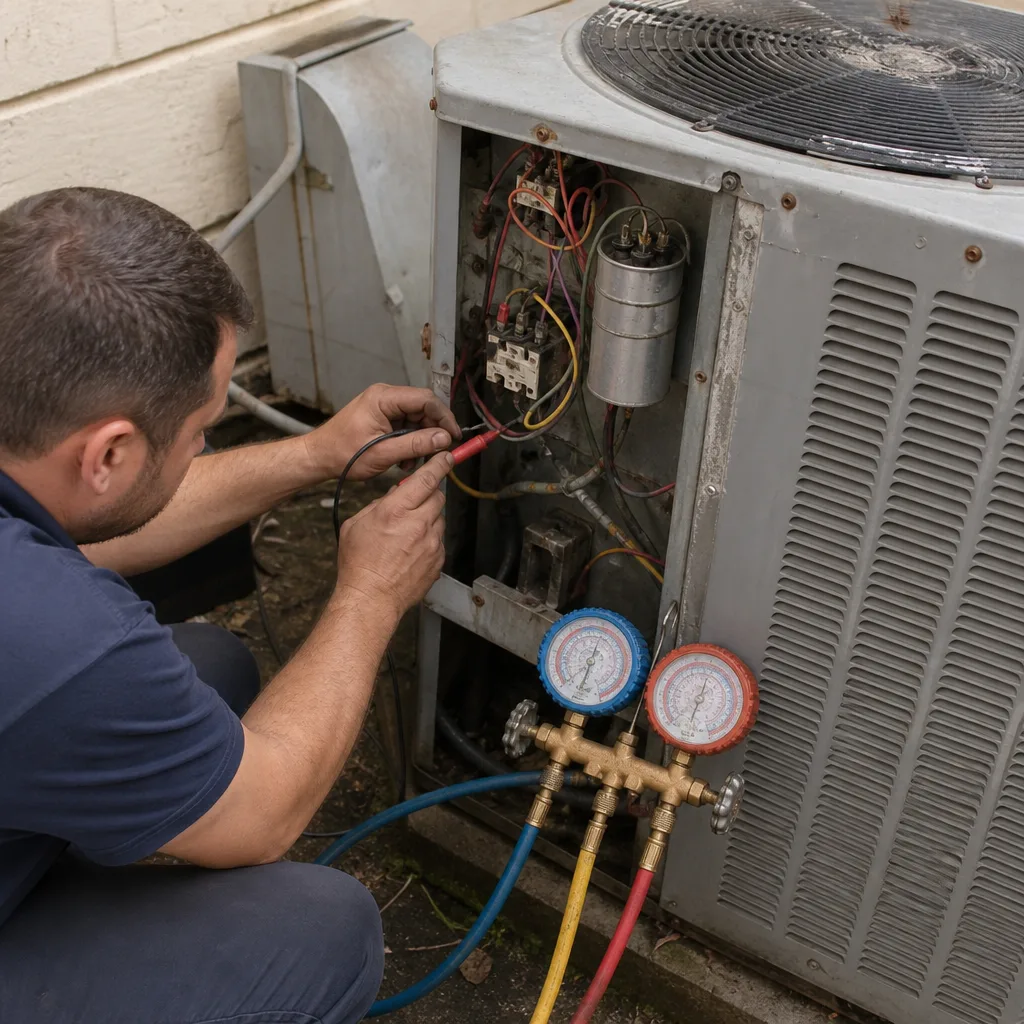
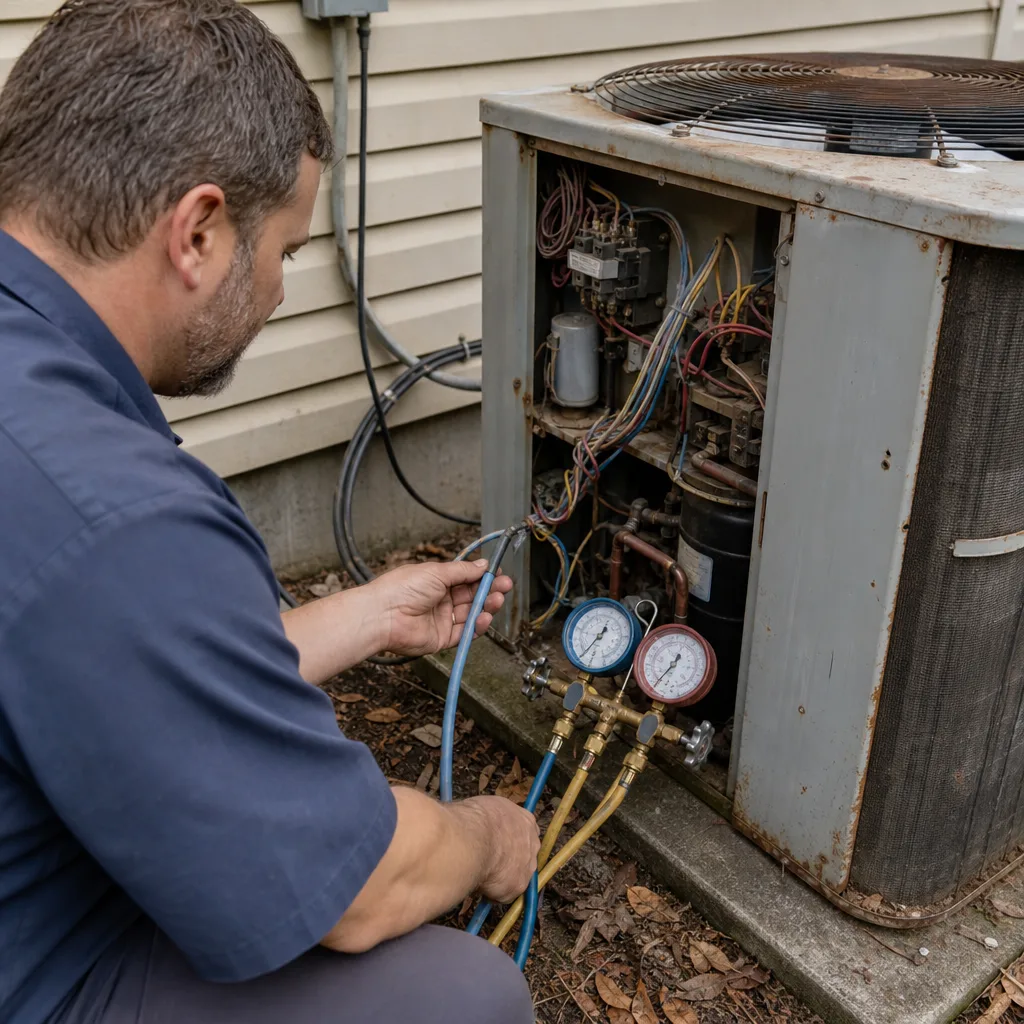
Refrigerant doesn’t get used up, but it can leak slowly, and a system that’s undercharged by even a small amount will struggle through a Gainesville summer. Charging verification in April catches it while there’s time to fix it properly. Waiting until the system is failing in June means an emergency call and often a longer repair window.
Beyond those three, the April checklist includes:
- Replace the air filter (and note the date, since Gainesville’s system hours favor 60-90 day intervals in peak season).
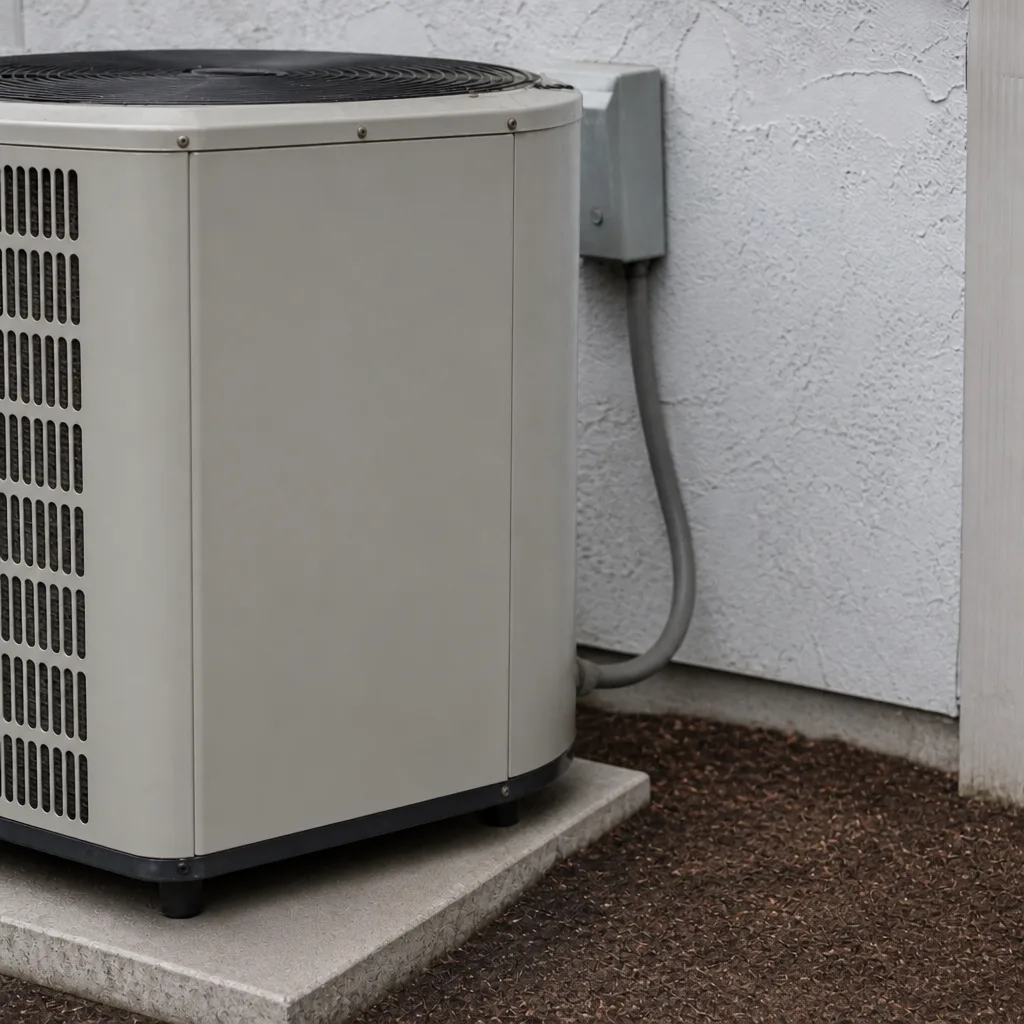
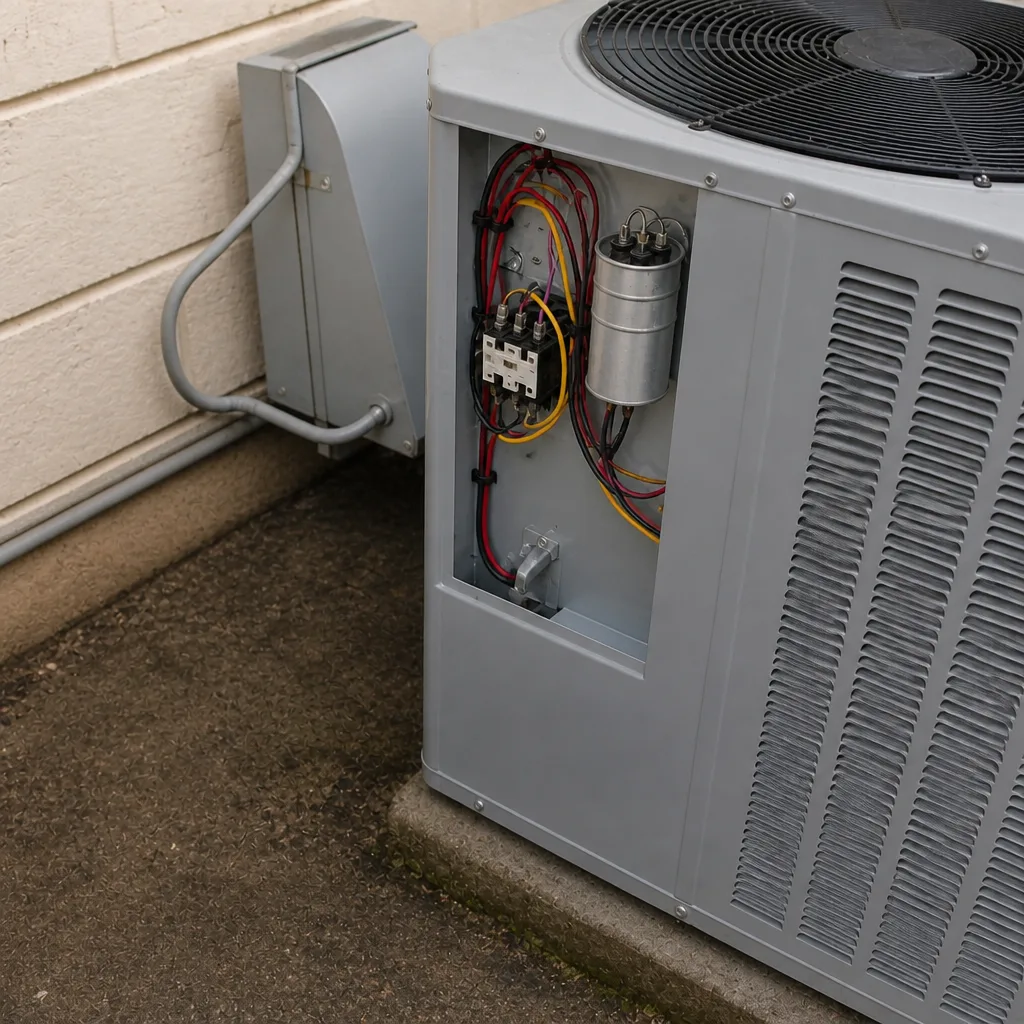
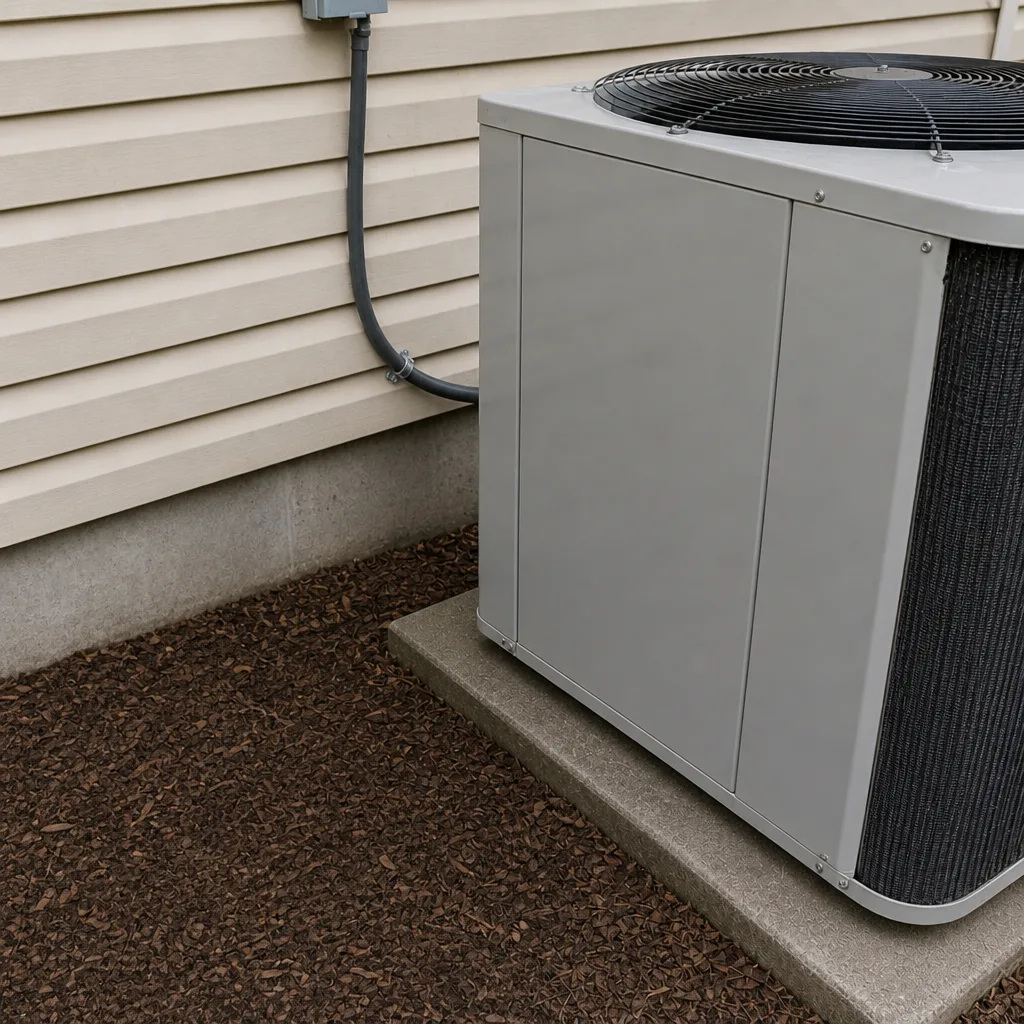
- Inspect and clear the outdoor condenser unit of leaves, pollen, and yard debris.
- Check that the outdoor unit has at least two feet of clearance on all sides for airflow.
- Test the thermostat in both cooling and fan-only modes to confirm it’s switching properly.
- Look at the condensate drain pan for standing water or signs of overflow.
- Listen for unusual noises at startup – a grinding or squealing blower usually means a bearing is failing.
If your system is due for replacement this year, April is also the best time to schedule an AC installation before the cooling season locks in. There’s less competition for scheduling slots in April than in June, and the new system gets to break in during mild weather rather than a heat wave.
November: The Most Neglected Maintenance Month
If April is the busiest maintenance month in Gainesville, November is the quietest, and that’s exactly the problem. Homeowners who just spent seven months thinking about their AC tend to assume the system is fine. It is, on the cooling side. But the heating side has been sitting idle since February, and the first genuine cold snap – often in late November or early December – is when dormant problems show themselves.
A dormant heating system fails for predictable reasons. Dust settles on the burners. The flame sensor picks up a coating that prevents ignition. A blower motor that hasn’t turned in nine months can seize on first power. And on a heat pump system, the reversing valve that hasn’t switched since winter may stick. None of these are catastrophic if you catch them in November. All of them are unpleasant if you catch them at 6am on the coldest morning of the year.
The November heating checklist is shorter than April’s but it matters:
- Run the heat for 15-20 minutes on a mild day to confirm it’s producing warm air and cycling correctly.
- Listen for a blower that’s slow to start, or a burner that ignites then shuts off after a few seconds.
- Check the filter again – it collected a full season of summer dust and pollen.
- Confirm the thermostat is switching cleanly between heat and cool settings.
- Look at ductwork in unconditioned spaces for disconnected sections or obvious gaps.
- Note any burning smell at startup – a little dust burn-off is normal on first use, but persistent smell is not.
If your heating system is older and struggling, November is the right month to weigh your options. Our furnace repair page walks through the repair-or-replace decision in detail. Getting it settled in November means you’re not making that decision on a night when the house is cold.
Why this month gets skipped
The honest reason is that November in Gainesville feels like October. The days are warm, the AC still runs on some afternoons, and the idea of “winterizing” a heating system sounds like something for other places. But the data from service calls tells a different story: heating-side failures spike in the first cold week of December, and the vast majority of them would have been caught by a twenty-minute check in November.
Rainy Season Tasks: Drainage, Humidity, and Mold Prevention
From roughly June through September, Gainesville sits under near-constant afternoon thunderstorms. Indoor relative humidity spikes to 60% and above routinely during that stretch, and the HVAC system is doing double duty – cooling the house and quietly dehumidifying it. That second role matters more than most homeowners realize, and it depends on a handful of maintenance practices.
Condensate drainage during peak load
A Gainesville system running through rainy season produces a steady drip of condensate that has to go somewhere. If the primary drain line is even partially restricted, water finds the secondary pan, and if that overflows, the damage shows up in drywall and ceilings. Clearing the drain once in late spring is the minimum; checking it again in July is what prevents a mid-summer surprise. Some systems have a float switch that shuts the system off when the pan fills, which is a valuable safety net but not a substitute for keeping the line clear.
Humidity control and the system’s hidden work
Your HVAC system removes moisture from the air as part of its normal cooling cycle. When the system runs properly, indoor humidity stays in a comfortable range. When it’s oversized, short-cycling, or low on refrigerant, it removes less moisture and the house feels clammy even at a comfortable temperature. In Gainesville this is a common complaint in July. The cause is almost always in the system, not the weather: a system that’s running correctly handles humidity well because it runs long, steady cycles that pull moisture out of the air.
Mold prevention on wet surfaces
Mold needs three conditions: moisture, food, and warmth. The evaporator coil offers all three if it stays wet and dirty. Routine coil cleaning in April removes the food source; proper drainage prevents standing water; and regular filter changes keep debris out of the airstream. That’s the whole prevention strategy, and it’s maintenance work rather than a separate service. If you smell a musty odor from the vents, that’s a sign the coil or drain pan needs attention, and it’s worth handling before the smell spreads into the living space.
Outdoor unit care during storm season
Gainesville’s summer storms drop enough rain and blow enough debris that the outdoor condenser deserves a look mid-season. Clear leaves and yard waste away from the cabinet after big storms. Check that the fan blades are turning freely and not obstructed by twigs or palm fronds. If the unit is on a low pad that occasionally floods, that’s worth knowing before a storm puts water into the electrical compartment.
Maintenance Contract or Self-Managed: An Honest Comparison
Gainesville homeowners ask us this often, and the honest answer is that it depends on which side of the homeowner you are. Some people are comfortable with a filter wrench and a shop vac. Others would rather not think about it. Neither approach is wrong, but they cost different things in time, attention, and eventual repair bills.
What a maintenance arrangement typically covers
A maintenance arrangement with a qualified HVAC company generally includes two visits per year – one aligned to the spring prep and one to the fall heating check – plus the coil cleaning, drain clearing, electrical and refrigerant checks, and a written summary of what was found. The value isn’t in the visits themselves; it’s in the small issues caught early. A blower capacitor starting to age out costs a fraction to replace during a routine visit compared to diagnosing it during a failure.
What’s realistically self-managed
There are tasks most homeowners can handle reliably, and others where the effort outweighs the value. The realistic split looks like this:
- Do it yourself: filter replacement, clearing leaves and debris from the outdoor unit, thermostat function checks, and visual inspection of the drain pan and surrounding cabinet.
- Worth learning once: condensate drain flushing with a shop vac or a diluted vinegar pour through the trap – simple once you’ve seen it done, but easy to get wrong the first time.
- Leave to a technician: coil cleaning (requires dismantling access, careful chemical handling, and risk of damaging the fins), refrigerant charging and leak detection (requires gauges, licensing, and safety procedures), electrical component testing, and any heating-side diagnostic work involving the burner or gas valve.
The decision framework
If your system is under warranty, a maintenance arrangement protects the warranty terms and keeps a record of service history. If the system is older and out of warranty, the decision is closer to a dollar calculation: what you’d spend on routine visits versus the likelihood of an unplanned repair. For most Gainesville homeowners running 7-8 months of heavy cooling load, a maintenance arrangement pencils out, but it isn’t universal. The best step is to ask for a written scope and compare it to what you’d realistically do yourself.
One benefit of working with a company that installs as well as repairs: the same team that handles your AC installation already knows your system’s history when a service call comes in. There’s no rebuilding context every time.
The Cost of Skipping Seasonal Care in Gainesville
Maintenance is one of those things where the cost is invisible until it isn’t. The clearest way to explain the financial case is to talk about lifespan. A properly maintained central AC system in a climate like Gainesville’s typically lasts 12 to 15 years. A neglected one – meaning one that runs with dirty coils, restricted airflow, and unverified refrigerant for years – often needs replacement in 8 to 10. That’s not an exact rule, but it’s the pattern we see repeatedly.
How skipped maintenance translates into repair costs
Dirty coils overwork the compressor because it takes longer to remove the same amount of heat from the air, and the compressor runs hotter. Hot compressors fail earlier. A slightly undercharged system that could have been topped off or leak-fixed in April can, by July, be a compressor replacement – the single most expensive repair in a residential HVAC system. Similarly, a condenser unit allowed to run with debris-blocked airflow during peak load stresses the compressor in a way that no amount of downstream maintenance can undo.
Condensate drainage is the other cost driver specific to this region. A drain that clogs during rainy season and overflows into the ceiling cavity or a wall can cost far more than every maintenance visit combined. Those failures are almost always preceded by a slow drain that nobody noticed.
The opportunity cost of a shortened lifespan
Consider the math from a budgeting perspective. Say a system replacement runs several thousand dollars. Stretching replacement from year 9 to year 14 means you get five more years from the same capital investment, plus you defer the replacement cost five years out. That’s a meaningful financial difference for a homeowner with a fixed budget. Maintenance doesn’t guarantee a specific lifespan, but in our experience the systems that get April and November attention consistently outlast the ones that only get attention when something breaks. If you’re weighing a repair against replacement, use those numbers to sharpen the question – not to assume an answer.
What it comes down to: Gainesville’s cooling season is long enough that the system accumulates years of wear faster than its calendar age suggests. In our experience, systems that get two checkups a year hold their performance longer than systems that only see a technician when they stop working. If you’re deciding whether to repair or replace, our AC repair Gainesville team can walk through both options without pushing one over the other.
Common Mistakes to Avoid
Skipping the November heating check
This is the most common mistake in Gainesville specifically, because November weather feels like October and heating seems irrelevant. Run the heat for fifteen minutes on a mild day and you’ll usually catch dormant problems before they matter. Ignore it and the first cold morning becomes the diagnostic appointment.
Replacing filters too infrequently during the cooling season
Dust and pollen load up fast when the system runs seven months straight. A filter that looks fine in Charlotte’s climate can be fully loaded here in half the time because so many more hours of air pass through it. Check monthly during peak season and stay ahead of it.
Ignoring a slow condensate drain
A drain that touches the edge of the pan but doesn’t overflow seems fine until rainy season pushes it over. Clear the drain proactively in spring rather than waiting for overflow during the summer. The difference in cost is significant.
Assuming “it’s cooling” means it’s running correctly
A system with a dirty coil can still cool the house; it just works harder and takes longer to do it. That extra work accelerates compressor wear. Watch for increasing run times and any room that stays slightly warmer than the rest – those are the early signals of a dirty coil.
Letting the outdoor unit get buried in yard debris
Oaks, palms, and the general pace of yard growth in Gainesville mean the condenser is under constant assault from leaves and twigs. Check it after any significant storm and clear the perimeter. It needs airflow.
Replacing the whole system when a repair makes sense
A compressor failure on a 14-year-old system might justify replacement. The same failure on a 6-year-old system, still under parts warranty, often doesn’t. Get an honest assessment before you commit to either path – a technician who works on both repair and replacement has no reason to push one over the other.
Buying the first replacement quoted without a comparison
Different brands fit different homes and budgets, and the technician who understands both premium equipment and builder-grade equipment can explain the tradeoffs. A single quote isn’t a decision, it’s an opening bid. Get at least two, and ask why one brand fits better than another for your specific home.
When to Call a Professional
Some tasks belong to a technician, full stop. If your system is running but not keeping the house at setpoint, or if it’s short-cycling, or if you hear grinding, squealing, or banging at startup, that’s a call. If the heating side won’t ignite, or the burner runs briefly and shuts off, that’s a call. If there’s water around the air handler or the ceiling below it, that’s a call. And if you’re weighing repair versus replacement on an older system, that’s worth a professional opinion rather than a guess. AC Repair Gainesville offers free estimates in Gainesville – call (844) 223-9427. We answer 24/7. Fast dispatch from 7am to 7pm, Sunday through Friday. Technicians work on the widest range of major brands in residential homes, so there’s no “we don’t service that brand” dead end regardless of what’s already installed.
See the difference
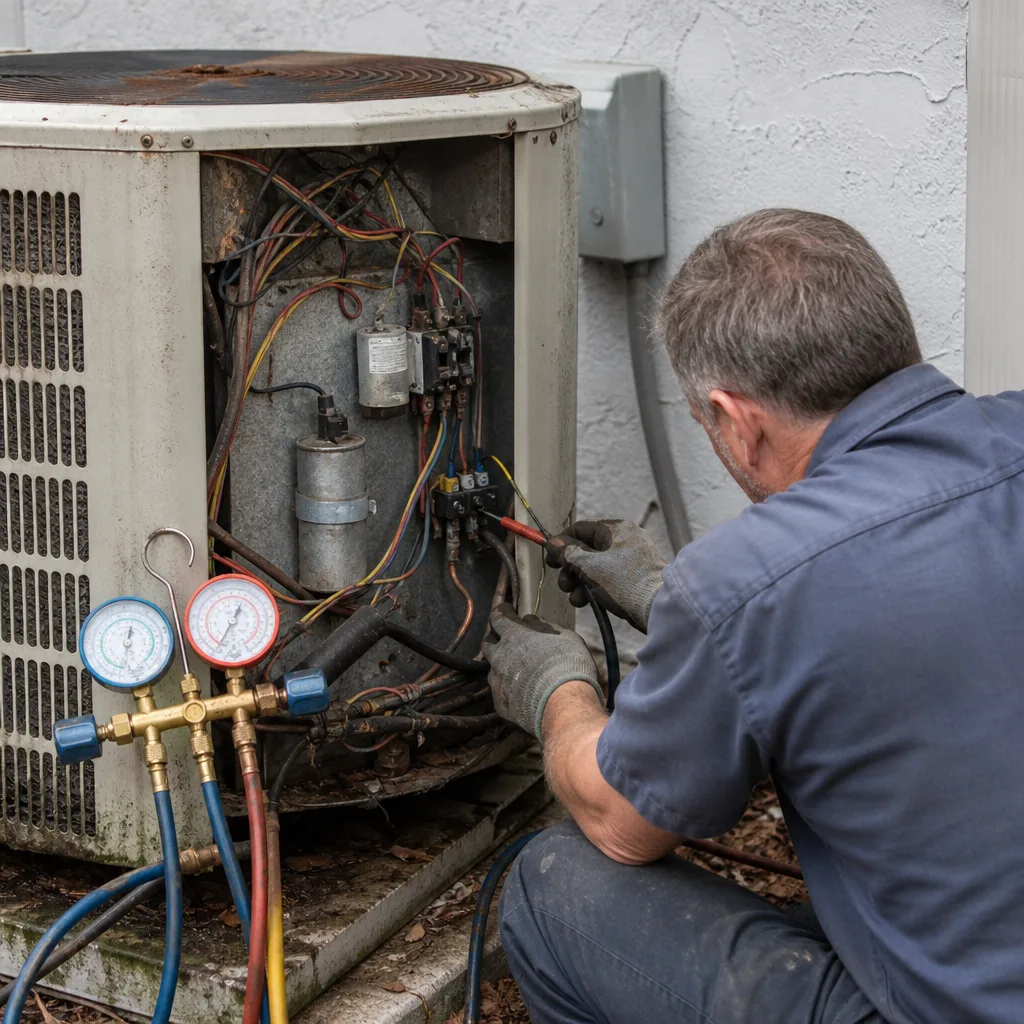 Before
 After
 Before
 After
 Before
 After
Frequently Asked Questions
Twice a year is the right schedule for Gainesville specifically – April before the cooling season and November before the heating season. The April visit matters more in this climate because the system runs 7-8 months under load, and the November visit catches heating-side dormancy problems before the first cold snap. A home that only gets one checkup a year typically ends up calling for a repair at the worst possible moment. Call (844) 223-9427 to set up a free estimate – we’ll tell you honestly what your system needs.
No, that’s the most common mistake in this market. A heating system that sits dormant from February to November can develop dust on burners, a coated flame sensor, a seized blower motor, or a stuck reversing valve on a heat pump. Those aren’t caused by cold weather – they’re caused by disuse. A fifteen-minute heat test in November catches most of them before they become a 6am repair call in December.
Condensate drainage during a seven-month cooling season. The system produces gallons of condensation daily, and a partially restricted drain that never quite overflows in a mild climate will overflow here under sustained summer load. Clearing the drain in spring and checking it mid-summer is the single highest-value maintenance habit in this region, and it’s one most homeowners can learn to do. Call (844) 223-9427 if you’re not sure whether your drain is flowing freely – we’re happy to check it as part of a seasonal visit.
You can handle some of it yourself, and for many homeowners that’s genuinely enough. Filters, outdoor debris clearing, thermostat checks, and drain pan inspection are realistic DIY tasks. Coil cleaning, refrigerant charging, and heating diagnostics are not, because they need tools, training, and a safety eye on gas and electrical components. The real question is whether you’ll actually remember to complete the self-managed tasks on schedule during a busy spring. If the answer is “probably not,” a service arrangement makes more sense than good intentions. Call (844) 223-9427 for a free estimate on what a two-visit plan would cover for your home.
How much does seasonal HVAC maintenance cost in Gainesville?
Pricing on maintenance varies by what’s included, and we set it per job based on the written estimate rather than a flat published number that fits every home. A visit that includes coil cleaning, drain clearing, electrical checks, and a refrigerant verification on a single system is different from one that covers two systems or includes duct inspection. The estimate is free, and the number on the written estimate is what you pay – no surprise add-ons after the work. Call (844) 223-9427 for a free estimate.
In our experience, yes – noticeably. A well-maintained central AC in Gainesville tends to last 12-15 years; a neglected one often needs replacement in 8-10 because of compressor stress from dirty coils and unverified refrigerant. The dollar impact compounds: you get fewer years from the same capital outlay, and you pay for more repairs along the way. The math favors maintenance, but it’s not a guarantee – some systems fail for reasons outside anyone’s control. Call (844) 223-9427 if you’d like an honest read on how much life your current system has left.
The Bottom Line
Gainesville doesn’t have four seasons. It has a long cooling season bookended by two narrow preparation windows, and everything meaningful about HVAC care here flows from that fact. Prepare in April – coil cleaning, drain clearing, refrigerant check – before the seven-month cooling marathon begins. Check the heating side in November while the weather is still mild enough to fix problems without urgency. During rainy season, stay ahead of drainage and humidity. Whether you do this yourself or through a service arrangement, the point is the same: catch problems in the off-season rather than the worst day of the year. If your system is due for either a repair or a replacement, or you just want an honest opinion on where it stands, AC Repair Gainesville handles both. We work on Carrier, Trane, Lennox, Goodman, Rheem, York, Daikin, Bryant, and American Standard equipment – premium and value-tier alike – so you don’t have to worry whether your existing system or your new one is supported. Call (844) 223-9427 for a free estimate. We answer 24/7. Fast dispatch from 7am to 7pm, Sunday through Friday.
Written by the team at AC Repair Gainesville.